Ferrari

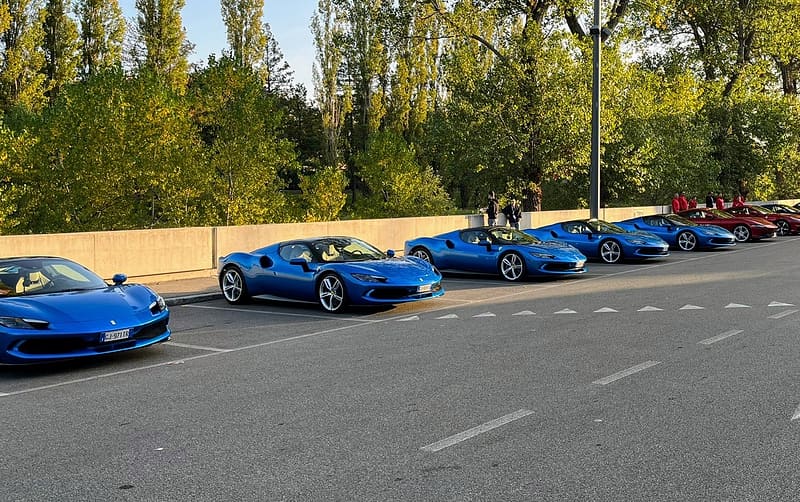
The Italian sports car maker from Maranello, known for its prancing horse, racing red and the oldest, most successful team in Formula One.

MaranelloSince 194761 models7 in production
Ferrari EnzoIconFerrari Enzo498 built
Founded1947Maranello
Models6161 spotted · 7 in production
Spots36,87342,068 photos
Spotters4,250in 154 places
Most spotted458 Italia7,415 spots
Rarest spottedP4/51 built · 6 spots

The lineup

Every Ferrari on ExoticSpotter, newest first. Each opens its own guide, with every variant and how to spot it.

In production

7 models · 214 spots
Rare

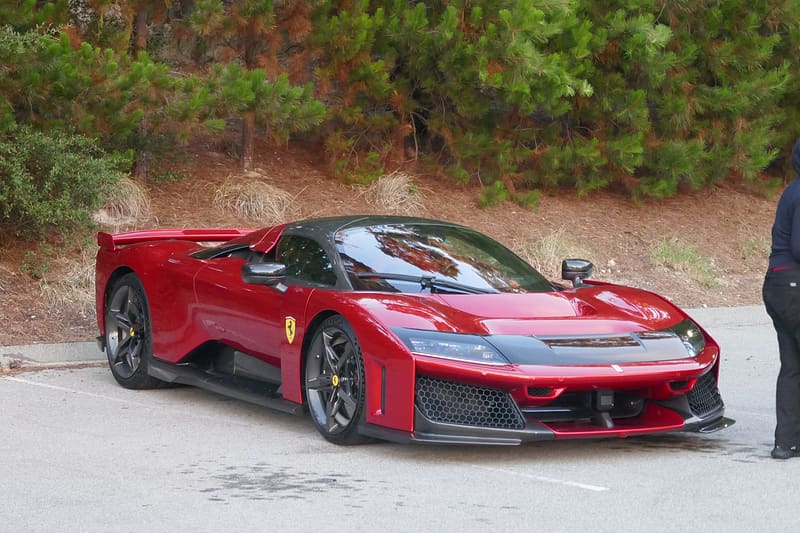
849 Testarossa

2026–Present · 3 variants

The SF90 Stradale’s successor and the return of the Testarossa name: a 1,036-hp plug-in hybrid V8.
Rare
Amalfi

2026–Present · 2 variants

The Roma’s successor: Ferrari’s front-engined twin-turbo V8 coupe, with 631 hp and a Spider version.

Rare

F80

2025–2027 · 799 built

The LaFerrari’s successor: a 1,184-hp hybrid V6 hypercar derived from Ferrari’s Le Mans-winning 499P.

Rare

12Cilindri

2024–Present · 3 variants

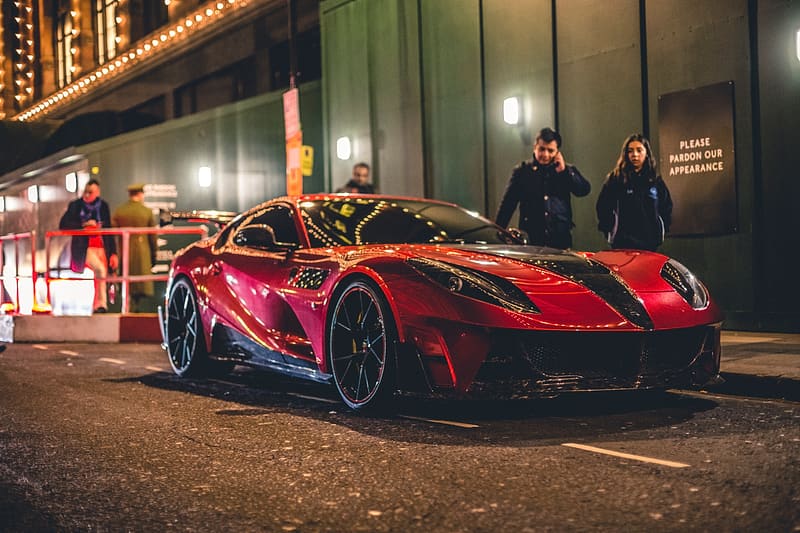
The 812 Superfast’s successor: a naturally aspirated 819-hp V12 front-engined coupe and Spider.
Rare

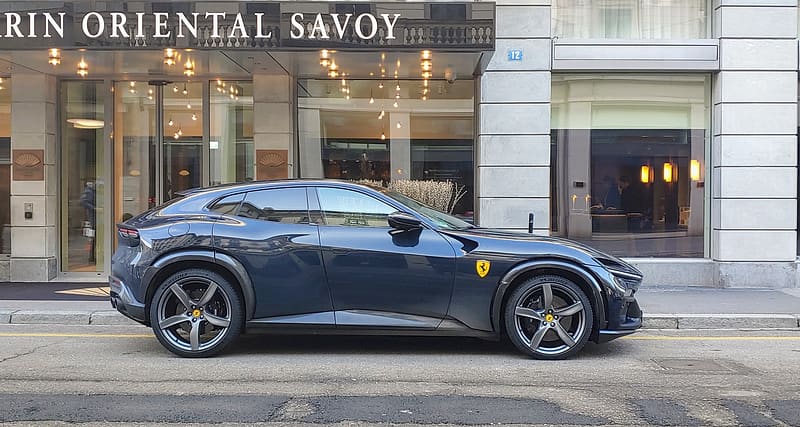
SF90 XX

2023–2026 · 1,398 built · 2 variants

A track-honed, road-legal SF90 with 1,016 hp, as a coupe and Spider.

Uncommon

296

2022–Present · 6 variants

Ferrari’s plug-in hybrid V6 berlinetta, the first six-cylinder road car to wear the prancing horse badge.

The 2020s

3 models · 167 spots
Legendary

499P

2023– · 2 variants

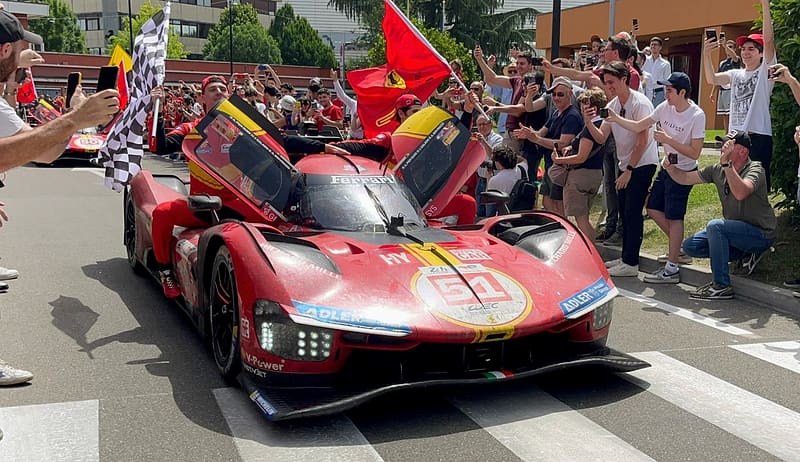
Ferrari's hybrid Le Mans Hypercar, its first factory top-class prototype in 50 years. It won Le Mans on its first try in 2023, again in 2024 and 2025. The Modificata is the track-day version sold to clients.

Rare

Daytona SP3

2022–2025 · 599 built

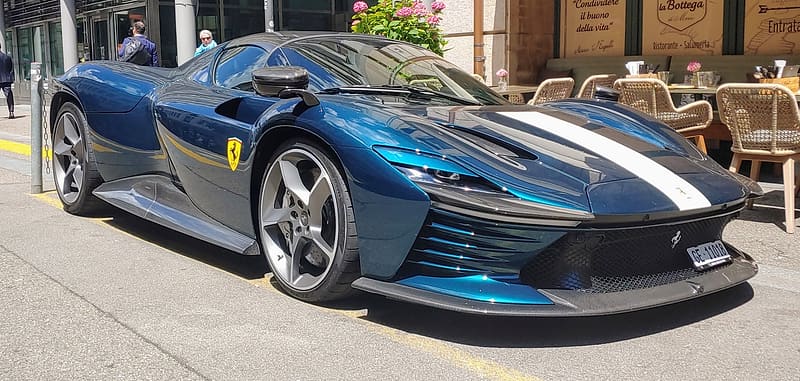
The third Icona: an open-top mid-engined V12 tribute to Ferrari’s 1967 Daytona 1-2-3 sports prototypes.
Uncommon
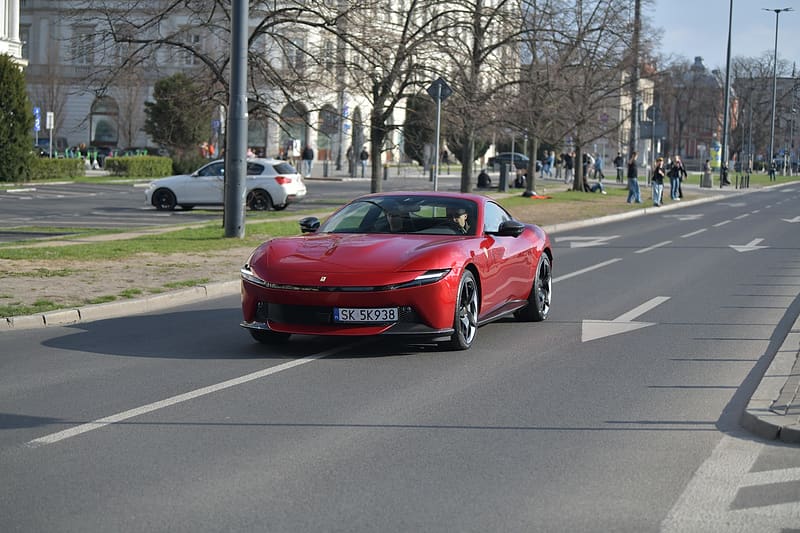
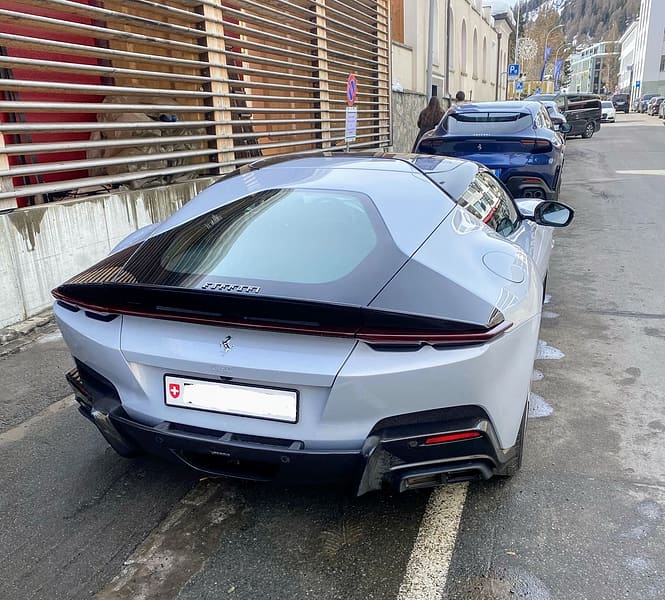
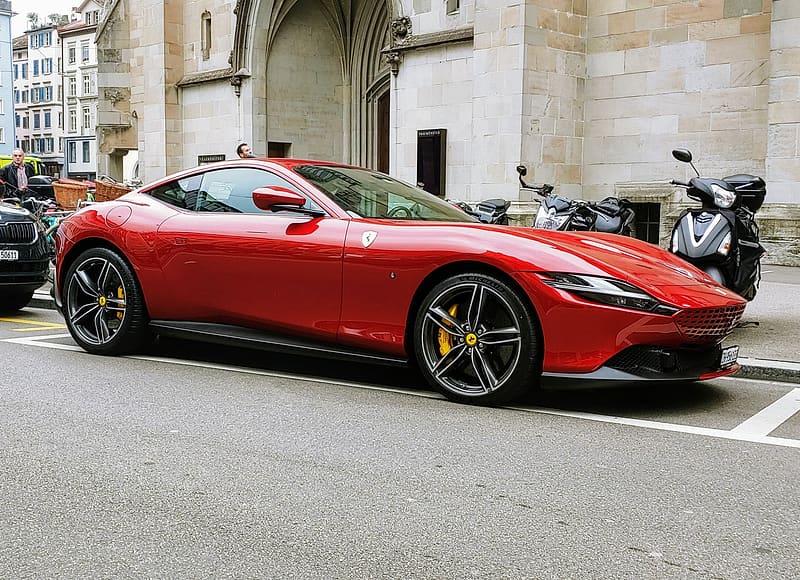
Roma

2020–2026 · 2 variants

Ferrari’s “nuova dolce vita” front-engined V8 coupe, styled after the 250 GT Lusso, and its soft-top Spider.

The 2010s

13 models · 6,154 spots
Common

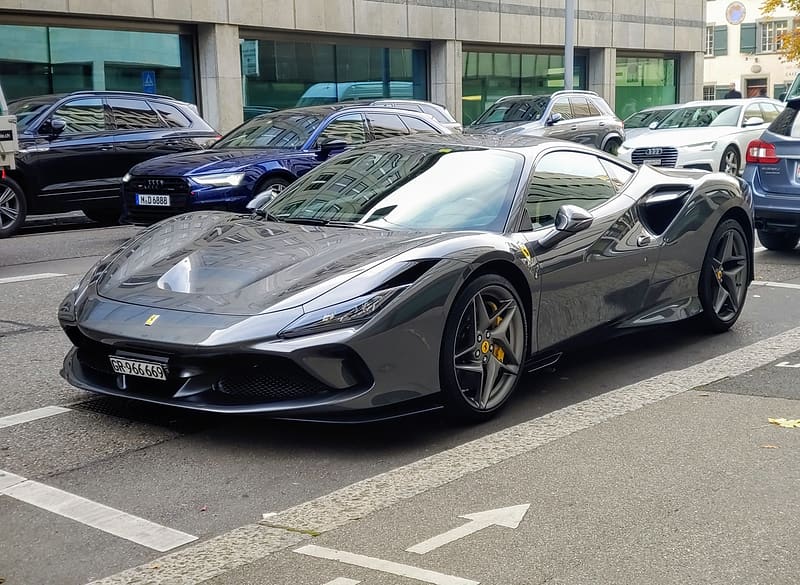
F8 Tributo

2019–2023 · 4 variants

The last pure V8 mid-engined Ferrari: the 488 Pista’s 710-hp engine in a sleeker body, before the hybrid 296.
Very rare

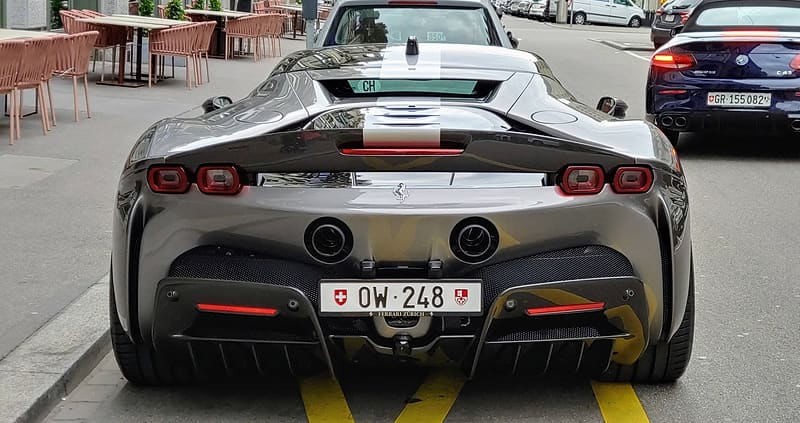
Monza SP2

2019–2022 · 499 built

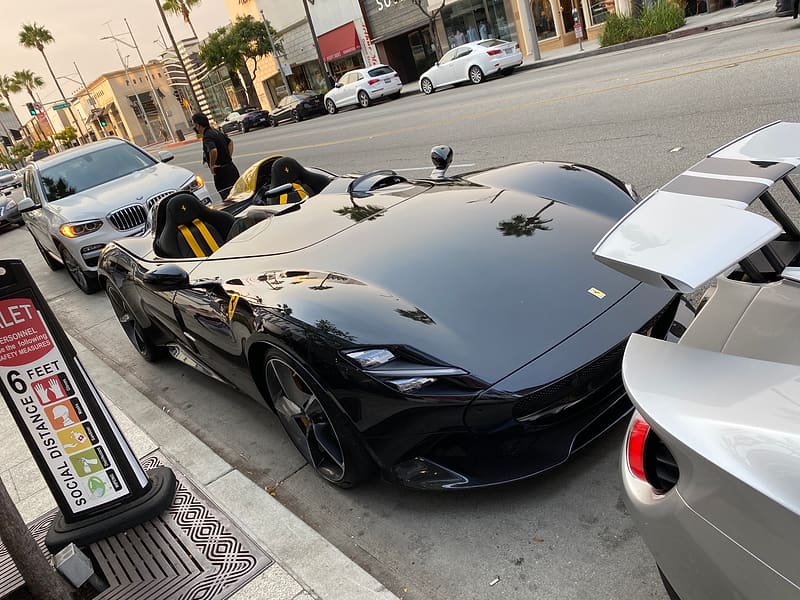
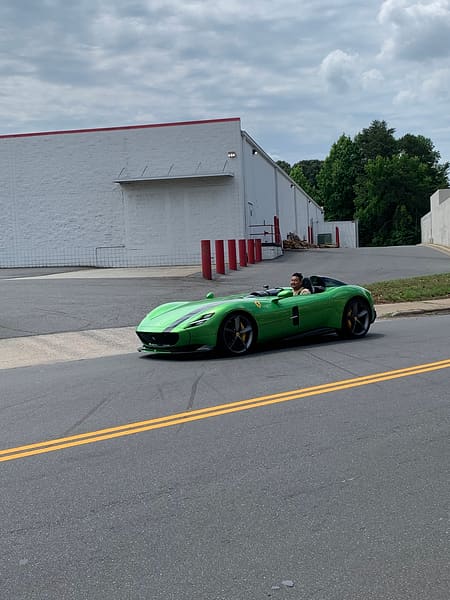
The first “Icona”: a roofless, windshieldless two-seat 812 Superfast inspired by the 1950s Monza barchettas.

Very rare

Monza SP1

2019–2022 · 499 built

The single-seat Monza: an 799-hp V12 barchetta with the driver alone on one side and no windshield.

Uncommon

812 Superfast

2017–2024 · 9 variants

The most powerful naturally aspirated production engine ever made at its launch, in Ferrari’s front-engined V12 GT.
Common
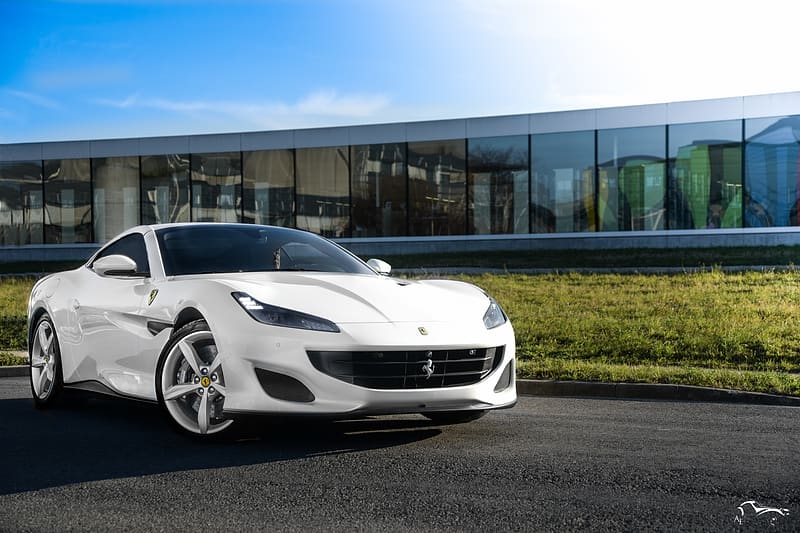
Portofino

2017–2023 · 2 variants

The California T’s successor: Ferrari’s entry-level folding-hard-top V8 grand tourer, named after the Riviera village.

Uncommon

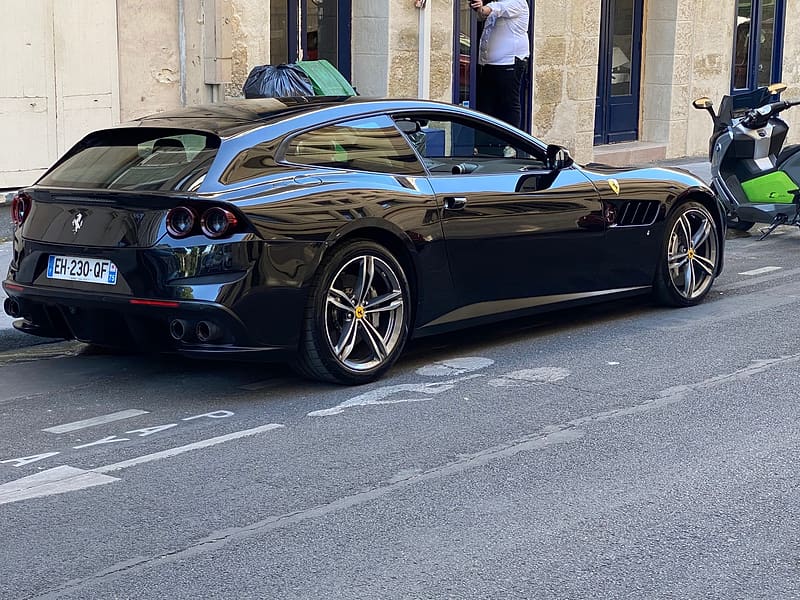
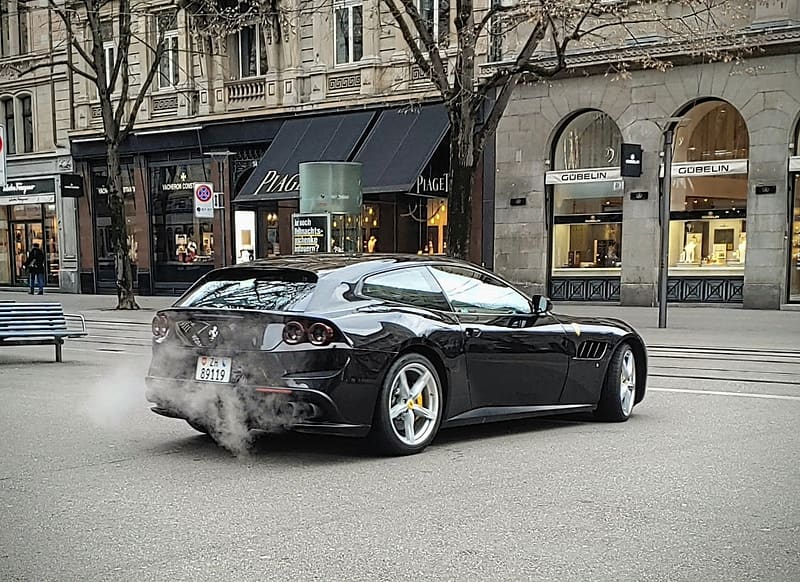
GTC4Lusso

2016–2020 · 3 variants

The FF’s successor: a four-seat shooting brake with a V12 and all-wheel drive, or a lighter twin-turbo V8 T.

Common

488 GTB

2015–2020 · 18 variants

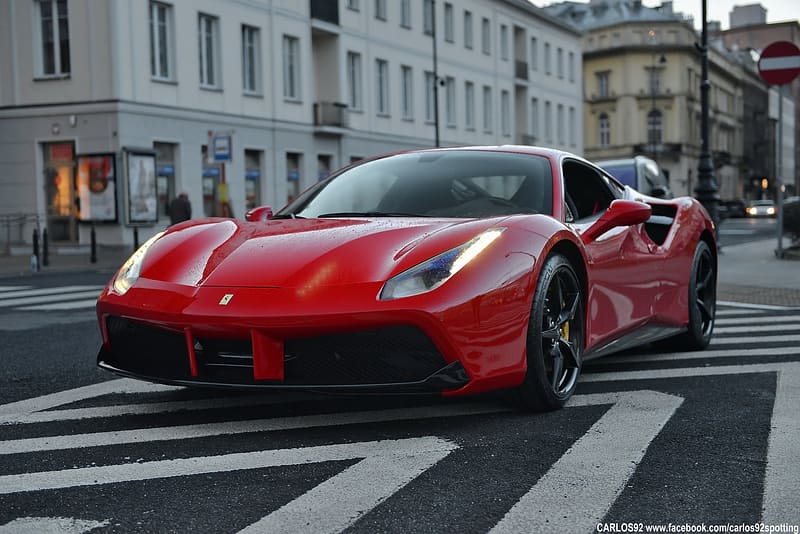
The 458’s turbocharged successor: Ferrari’s first turbo mid-engined V8 since the F40, and the basis of the 710-hp Pista.
Rare

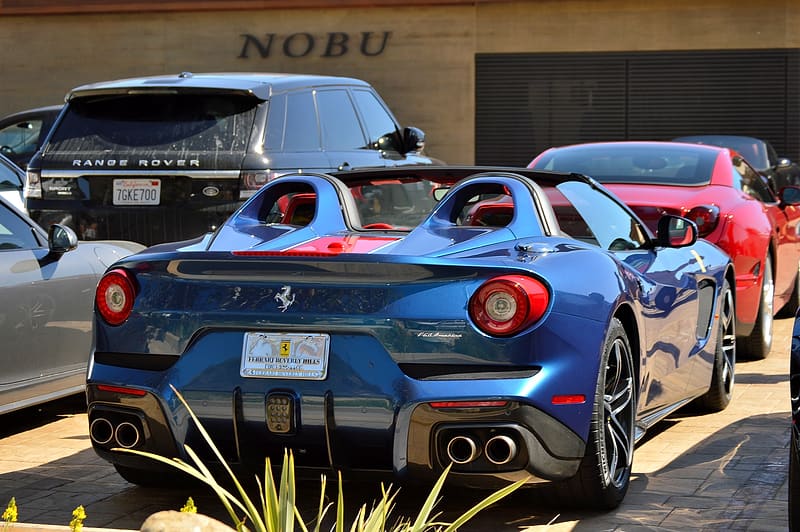
LaFerrari

2013–2018 · 709 built · 4 variants

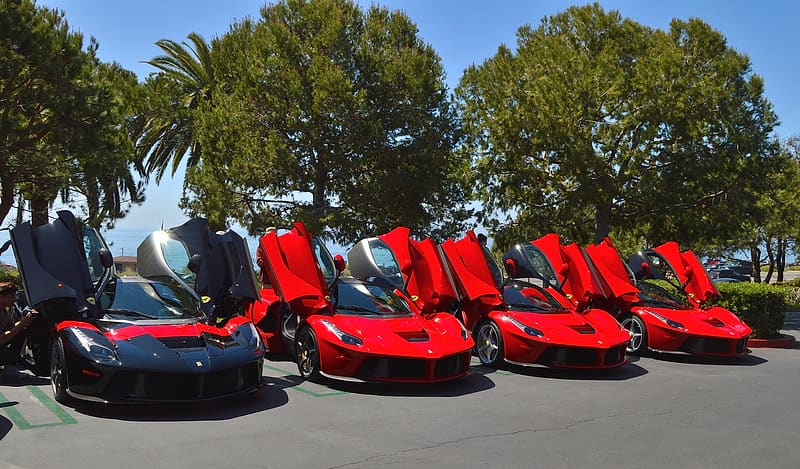
Ferrari’s first hybrid hypercar: a 950-hp V12 with Formula 1-style energy recovery, styled in-house for the first time since 1973.

Legendary

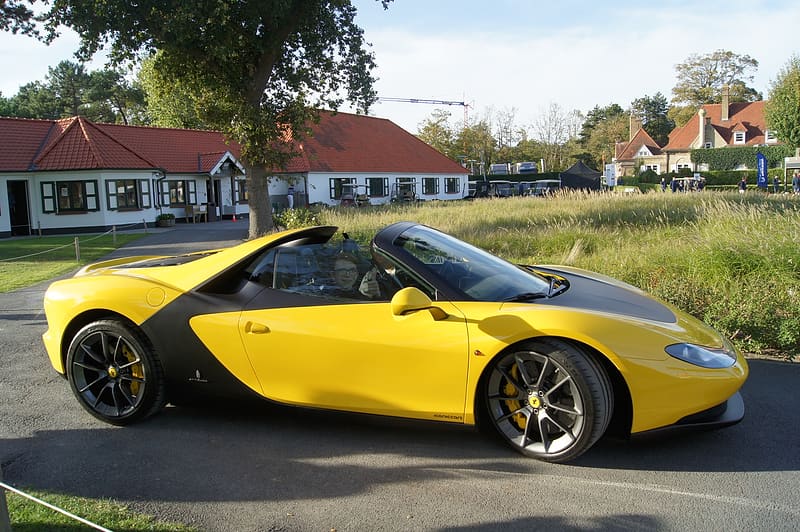
Sergio

2013–2015 · 6 built

Pininfarina’s windshieldless barchetta tribute to Sergio Pininfarina, built by Ferrari on the 458 Spider in six copies.

Uncommon

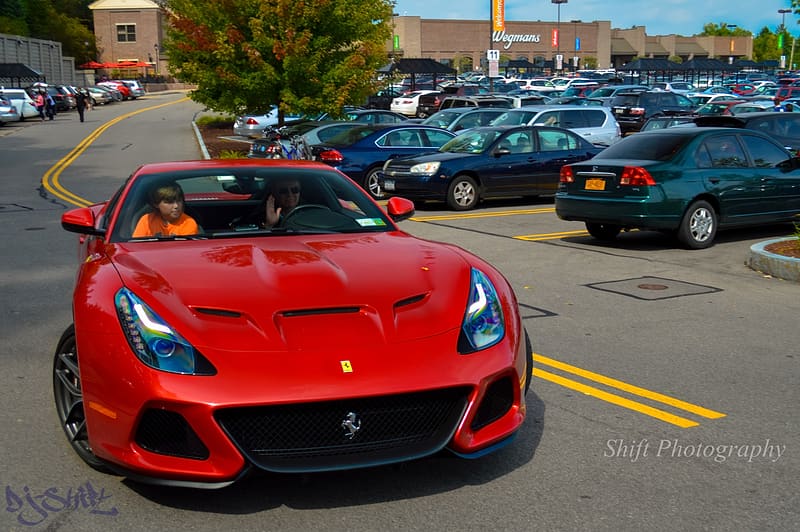
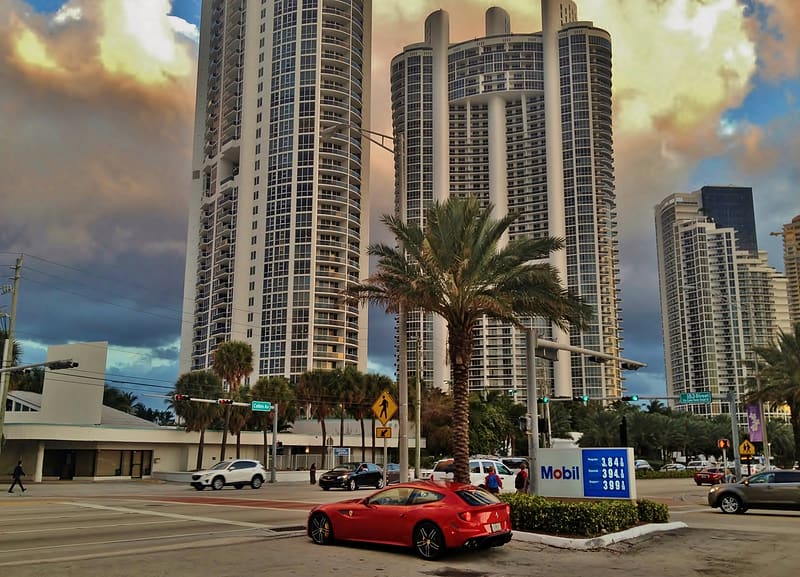
F12

2012–2017 · 14 variants

Ferrari’s front-engined V12 flagship of the 2010s: 730 hp, a dual-clutch gearbox and 211 mph.
Uncommon

FF

2011–2016 · 2,291 built · 5 variants

Ferrari’s first all-wheel-drive car: a four-seat V12 shooting brake that was the fastest four-seater in the world at launch.
The 2000s

9 models · 21,926 spots
Common

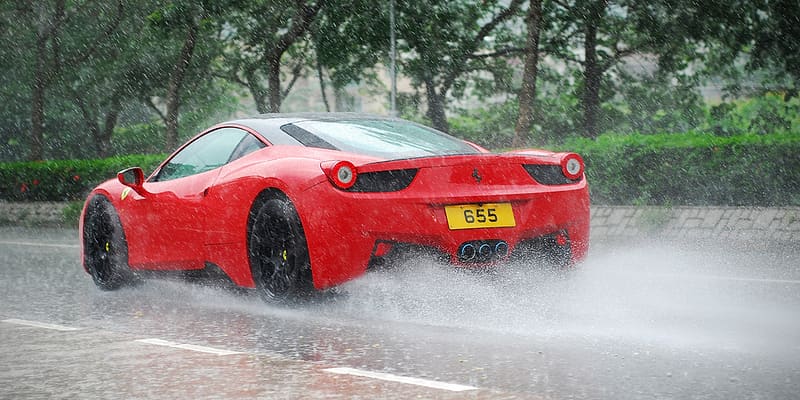
458 Italia

2009–2015 · 17,500 built · 23 variants

Ferrari’s last naturally aspirated mid-engine V8, and for many the best-sounding modern Ferrari.
Common

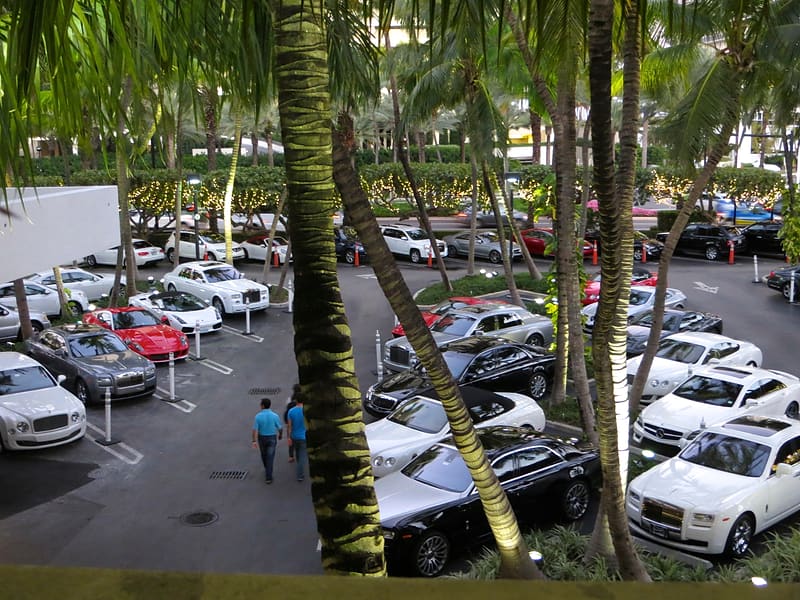
California

2008–2017 · 17,349 built · 8 variants

Ferrari’s first front-engine V8 and first folding hard-top, a grand tourer that brought new buyers to the brand.
Uncommon

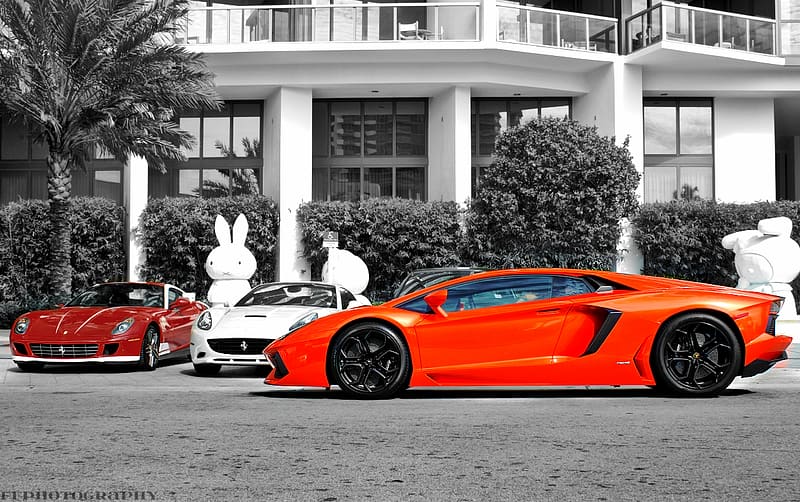
599GTB

2006–2012 · 3,500 built · 16 variants

The Enzo-engined front-V12 grand tourer, and the base for the 599 GTO, once Ferrari’s fastest road car.
Legendary
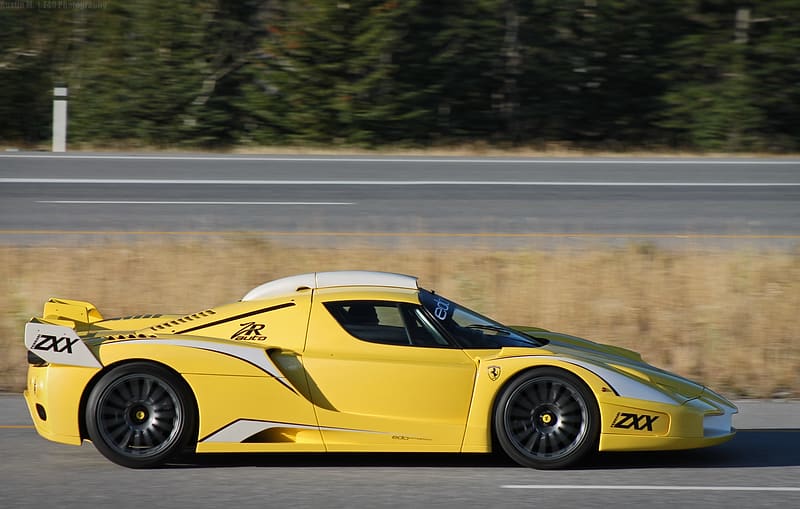
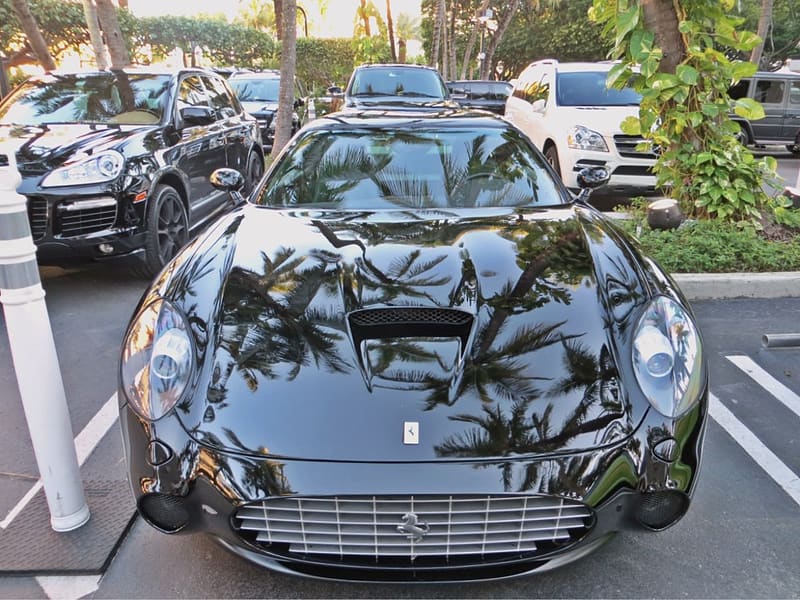
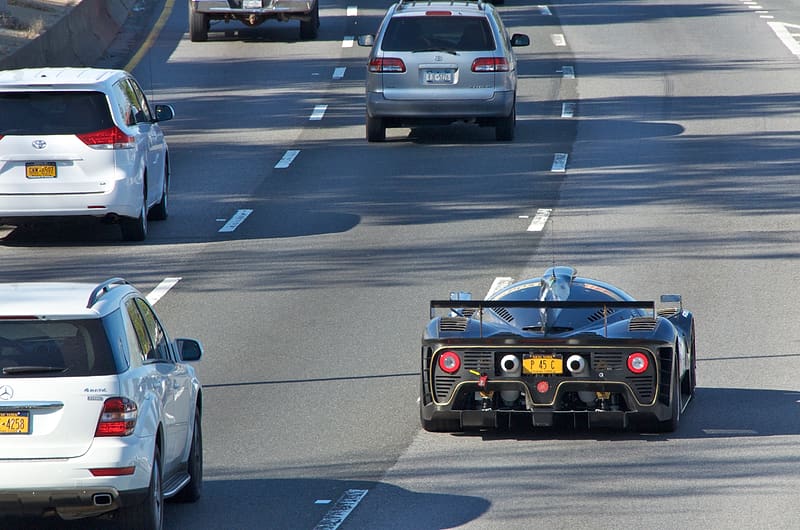
P4/5

2006 · 1 built · 2 variants

Jim Glickenhaus’s one-off Enzo, rebodied by Pininfarina in homage to the 1967 Ferrari P4.

Legendary

FXX

2005–2009 · 2 variants

The track-only Enzo: about 790 hp, sold to chosen clients who drove it at Ferrari-run events and fed back data.

Common

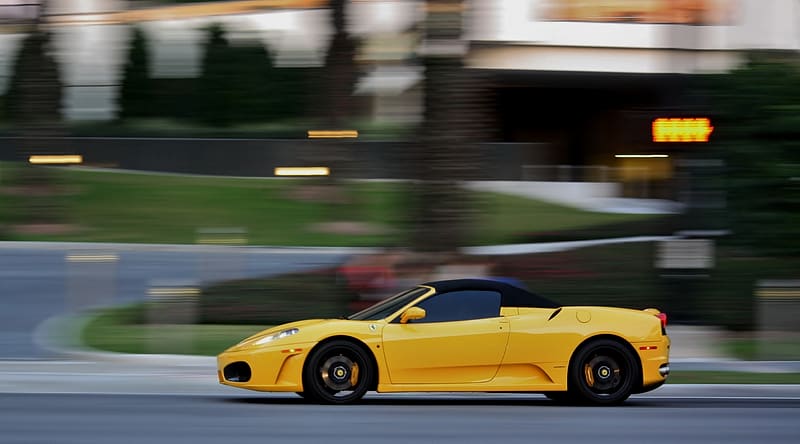
F430

2004–2009 · 16,750 built · 13 variants

The 360’s successor, with an E-Diff, the manettino dial and one of the last gated manual gearboxes in a Ferrari.
Uncommon

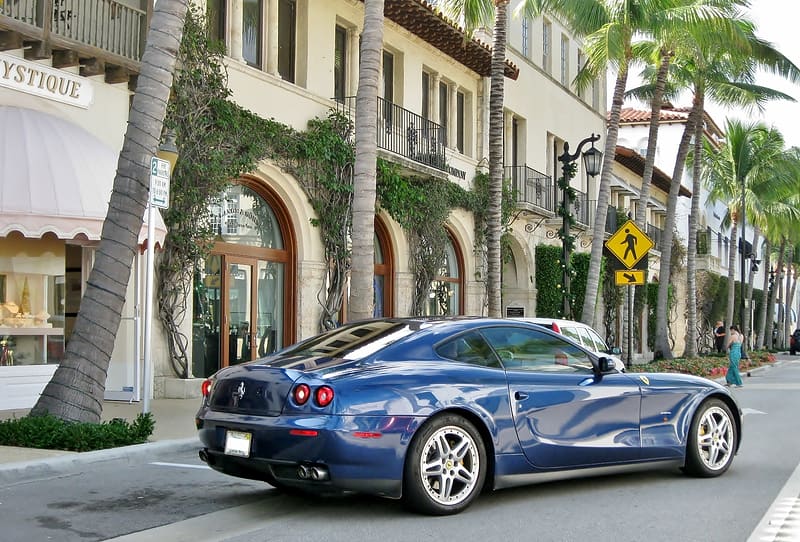
612

2004–2011 · 3,025 built · 7 variants

Ferrari’s aluminum four-seat V12 grand tourer, named after the coachbuilder Sergio Scaglietti.

Legendary

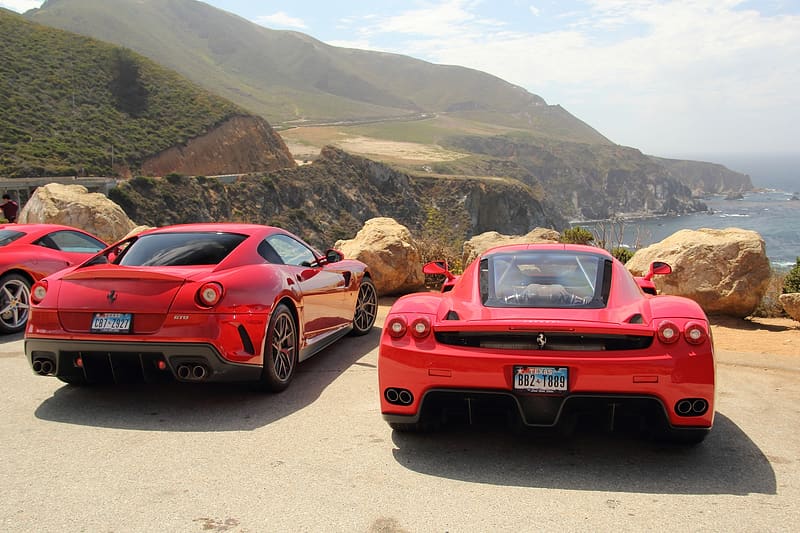
Enzo

2002–2004 · 498 built · 5 variants

Ferrari’s Formula 1-inspired V12 hypercar of the Schumacher era, named for the company’s founder.

Uncommon

575M

2002–2006 · 2,056 built · 5 variants

The 550 Maranello’s update: more power, the F1 paddle-shift gearbox, and the rotating-glass-roof Superamerica.

The 1990s

5 models · 5,102 spots
Common

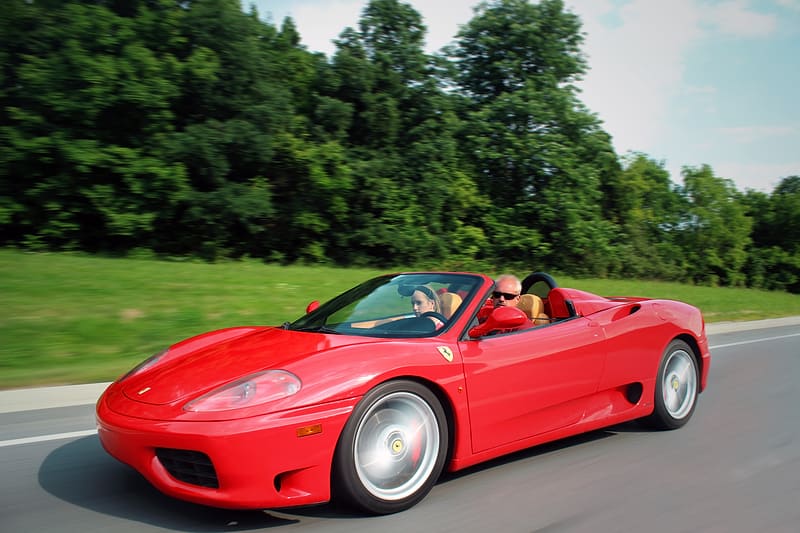
360 Modena

1999–2005 · 17,653 built · 11 variants

The aluminum-chassis V8 that modernized the mid-engine Ferrari and launched the Challenge Stradale idea.

Uncommon

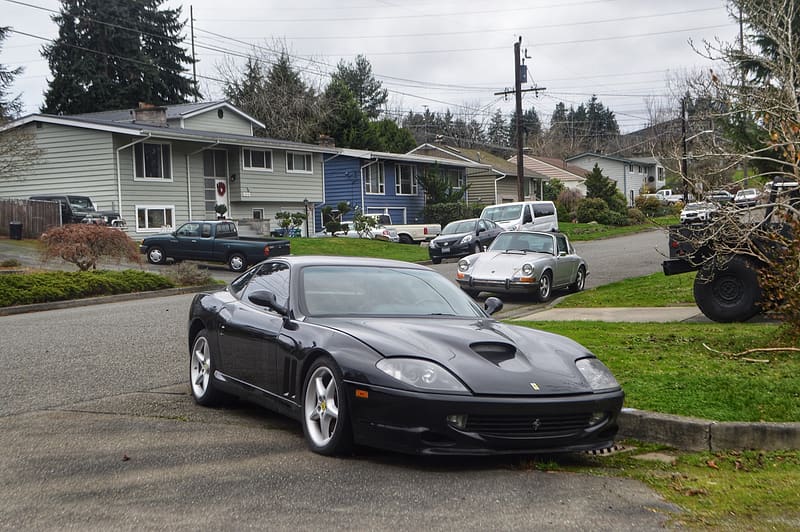
550

1996–2002 · 3,531 built · 4 variants

Ferrari’s return to the front-engined V12 GT after 23 years: a manual-only 478-hp Maranello and the open Barchetta.

Legendary

F50

1995–1997 · 349 built · 2 variants

A Formula 1 V12 in a road car: Ferrari’s 50th-anniversary targa, with the engine bolted directly to the carbon tub.

Common

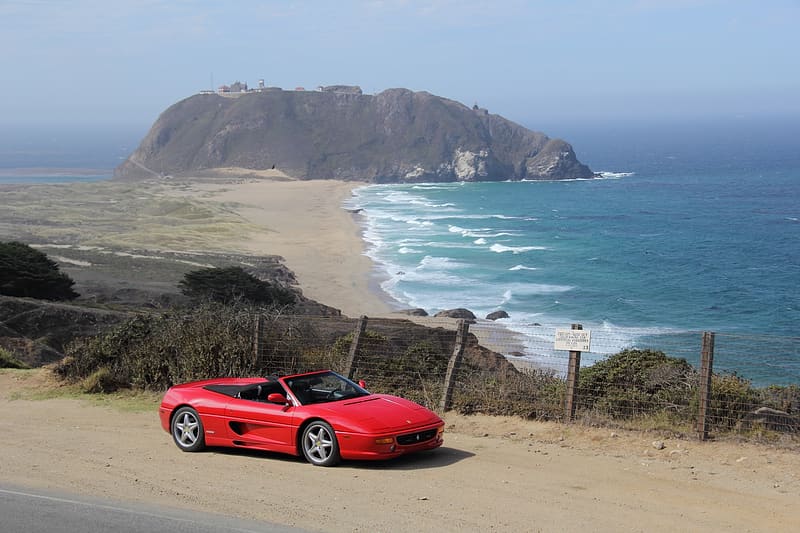
F355

1994–1999 · 11,273 built · 6 variants

Ferrari’s last V8 with flying-buttress styling and a gated manual for most cars; the first with F1 paddle shifters.

Uncommon

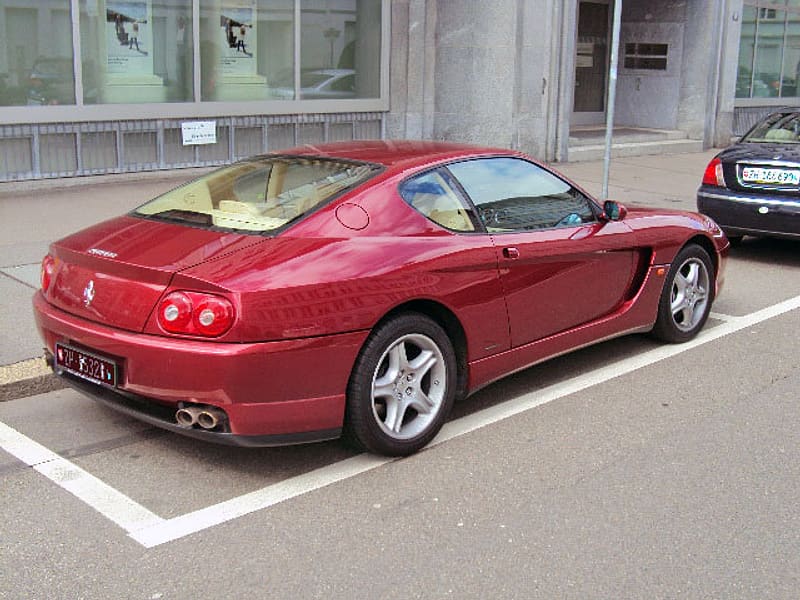
456

1992–2003 · 3,289 built · 7 variants

Ferrari’s four-seat V12 GT of the 1990s, and the last Ferrari with pop-up headlights.

The 1980s

7 models · 1,795 spots
Uncommon

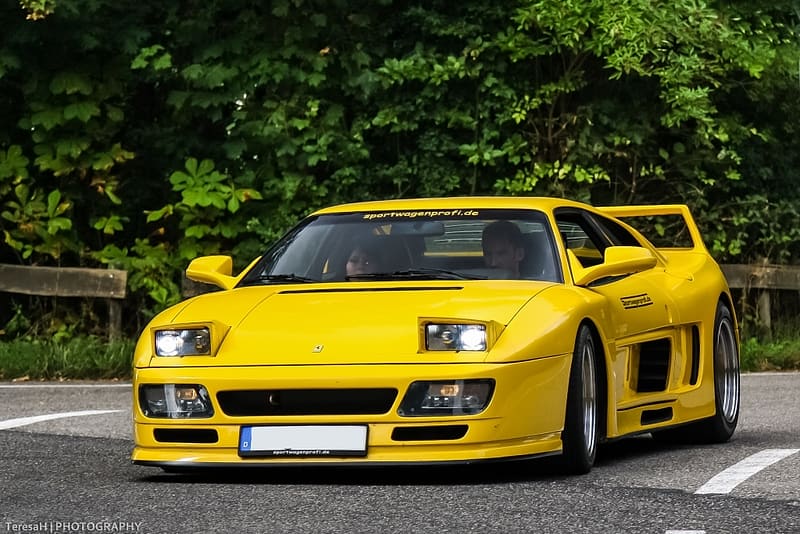
348

1989–1995 · 8,844 built · 8 variants

The 328’s successor with Testarossa-style side strakes and a longitudinal V8: the last V8 Ferrari developed under Enzo Ferrari.

Legendary

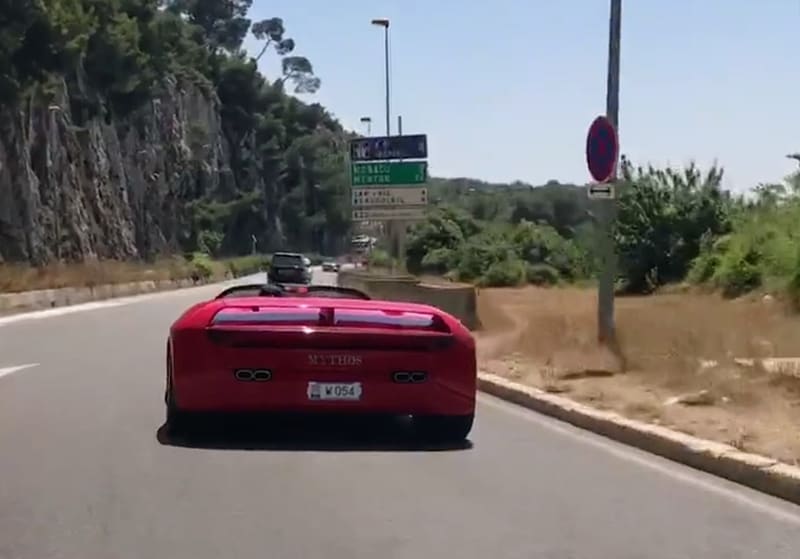
Mythos

1989–1990s · 4 built · 2 variants

Pininfarina’s roofless 1989 Tokyo show car on Testarossa mechanicals, the forerunner of the F50, with a few more built for Brunei’s royal family.

Legendary

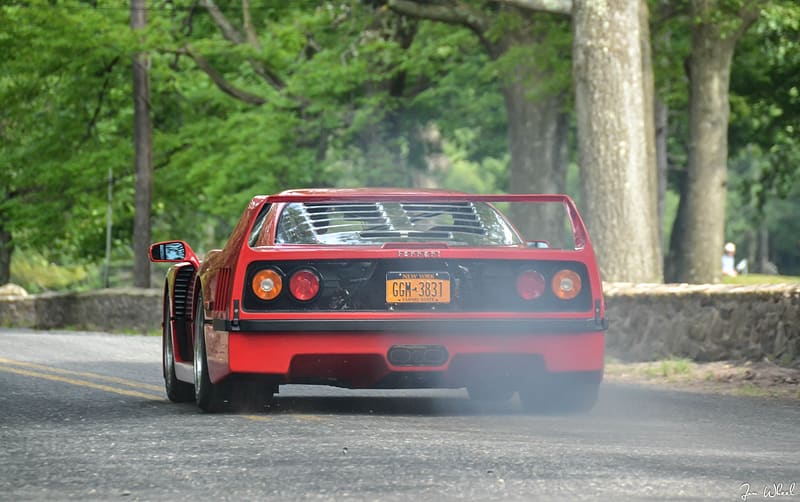
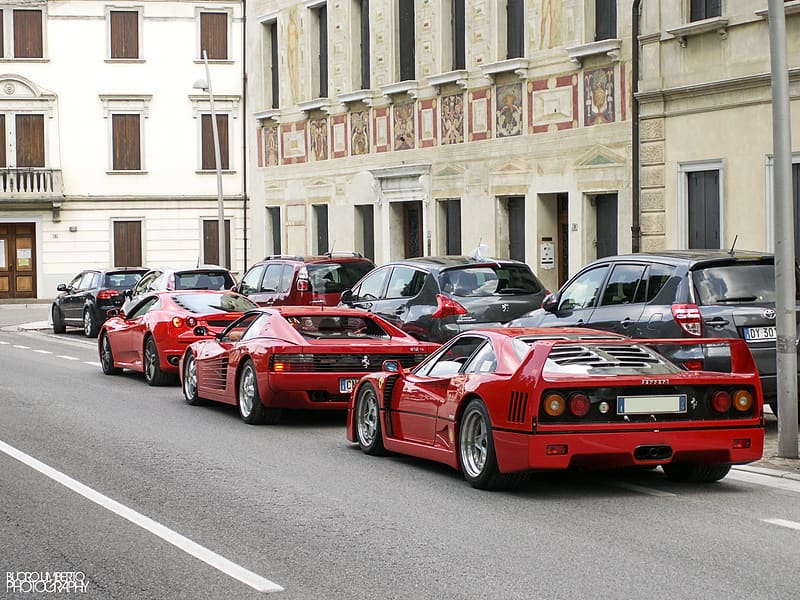
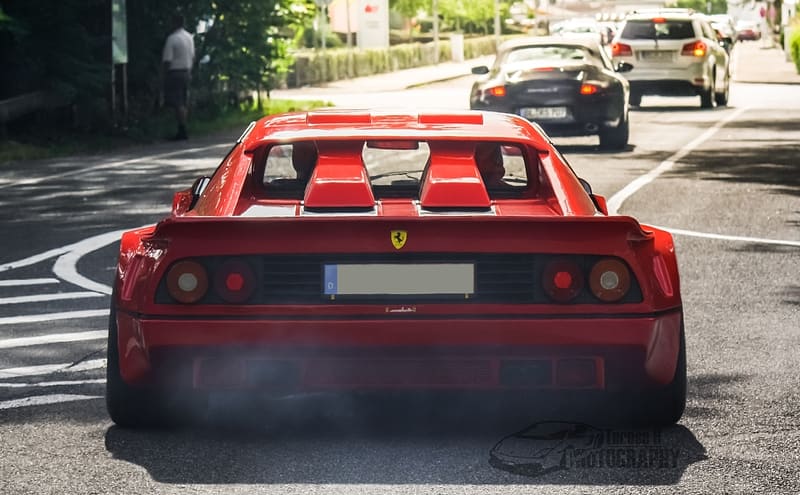
F40

1987–1992 · 1,311 built · 4 variants

The last Ferrari Enzo Ferrari approved: a twin-turbo, bare-carbon, 199-mph race car for the road.

Uncommon

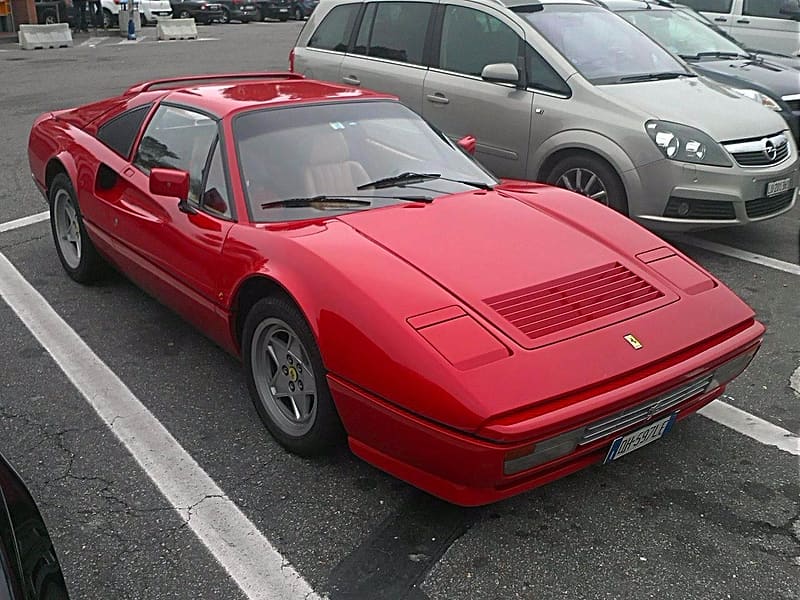
328

1985–1989 · 8,548 built · 4 variants

The last and best-sorted of the transverse V8 Ferraris that began with the 308: a 3.2-liter GTB coupe and targa-topped GTS.

Uncommon

Testarossa

1984–1996 · 9,939 built · 4 variants

The poster car of the 1980s: Pininfarina’s side-straked, flat-12 Ferrari from Miami Vice.

Very rare

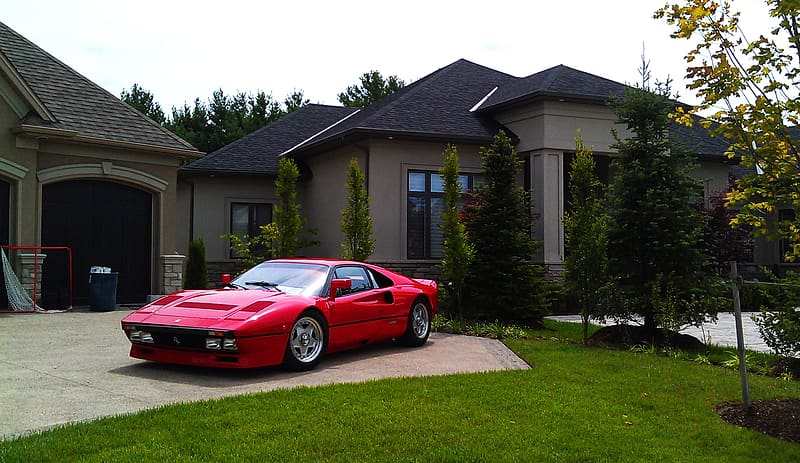
288 GTO

1984–1987 · 272 built · 2 variants

The first of Ferrari’s supercar lineage: a twin-turbo Group B homologation special that led to the F40.

Uncommon

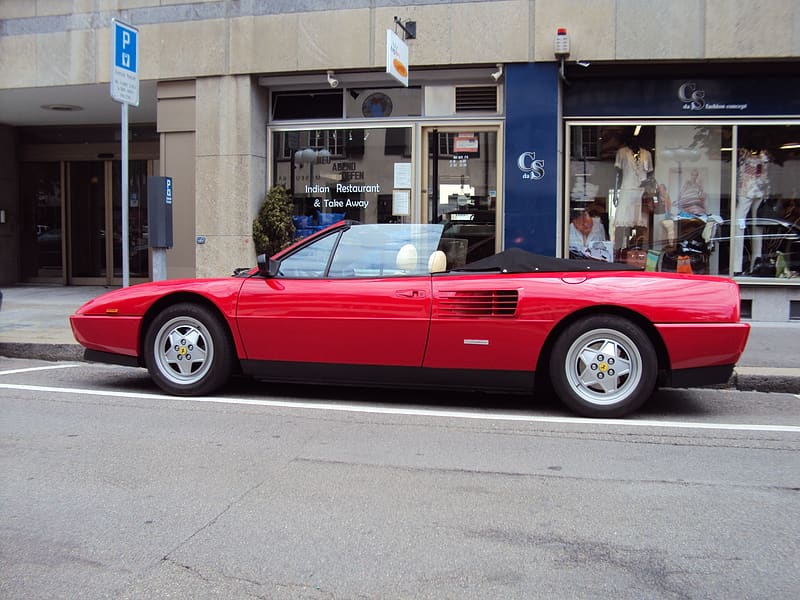
Mondial

1980–1993 · 6,149 built · 7 variants

Ferrari’s mid-engined V8 four-seater, and for years its only convertible: the last rear mid-engined 2+2 Ferrari.

The 1970s

7 models · 699 spots
Rare

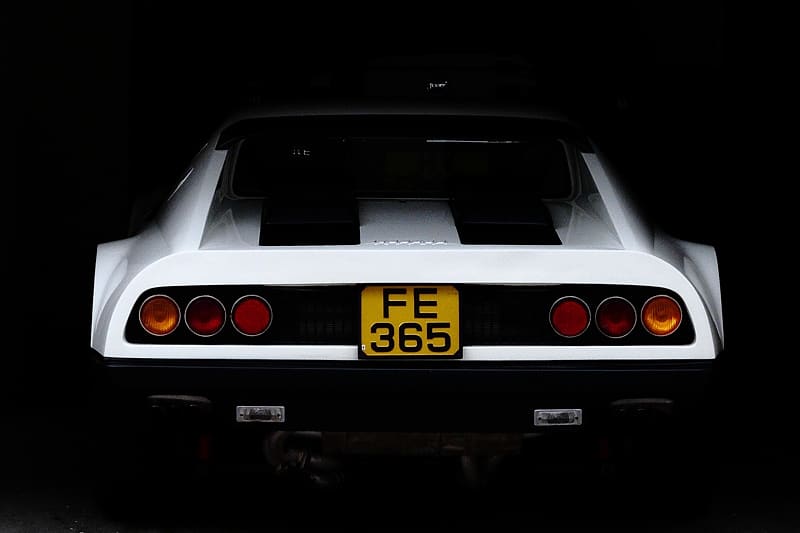
512BB

1976–1984 · 1,936 built · 3 variants

Ferrari’s mid-engined flat-12 flagship of the late 1970s, the car the Testarossa replaced.

Common

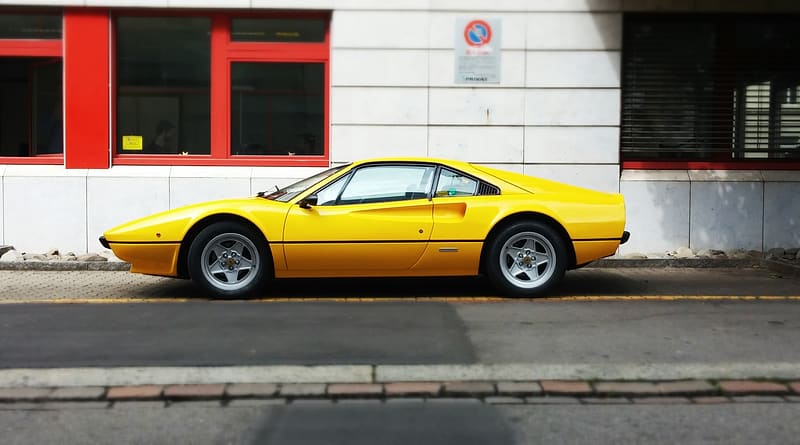
308

1975–1985 · 13,938 built · 13 variants

The Ferrari of Magnum, P.I.: Fioravanti’s mid-engined V8 GTB and targa-topped GTS.

Uncommon

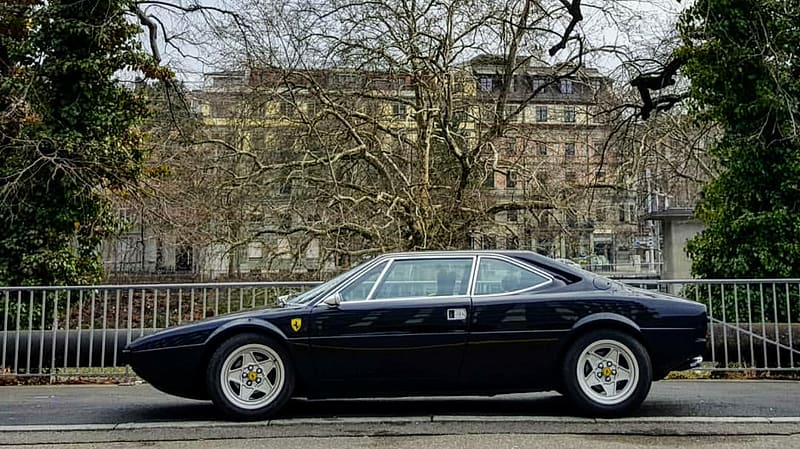
308 GT4

1973–1980 · 3,666 built · 2 variants

The only production Ferrari styled by Bertone: Gandini’s wedge-shaped mid-engined V8 2+2.

Uncommon

GT4

1973–1980 · 3,666 built

A duplicate of the Ferrari 308 GT4 model. Photos here should be merged into it.

Uncommon

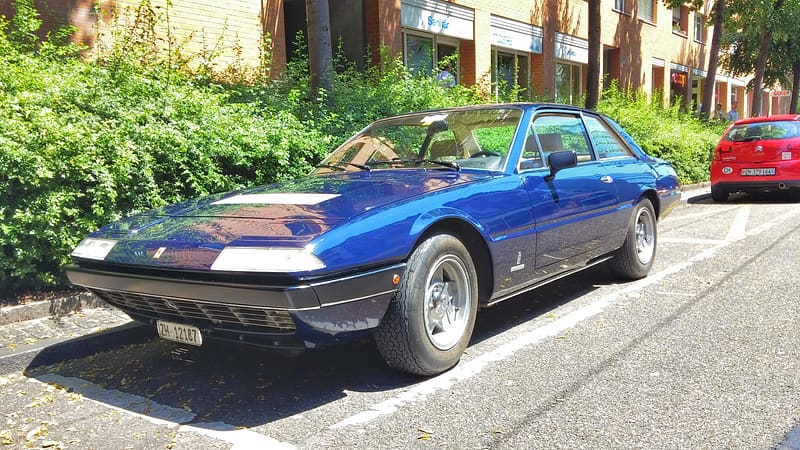
412

1972–1989 · 2,907 built · 4 variants

Ferrari’s front-engined V12 four-seater, and the first Ferrari offered with an automatic gearbox.

Rare

Sbarro

1971–Present · 3 variants

Franco Sbarro’s Swiss workshop of wild specials and replicas, including the Ferrari V8-powered Super Eight.

The 1960s

6 models · 575 spots
Uncommon

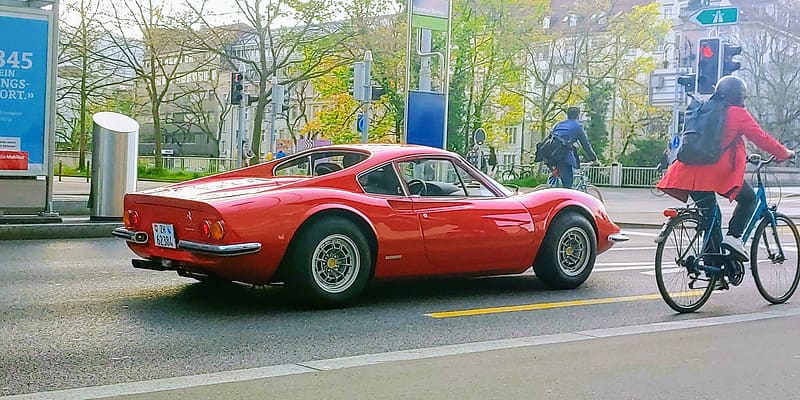
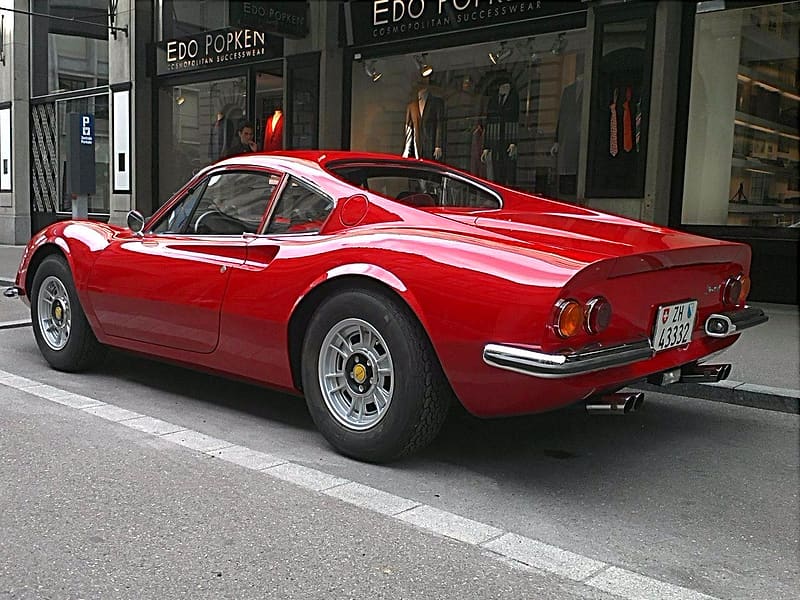
246 Dino

1969–1974 · 3,569 built · 2 variants

Ferrari’s first mid-engined road car, sold under the Dino name to honor Enzo Ferrari’s son Alfredo.

Rare

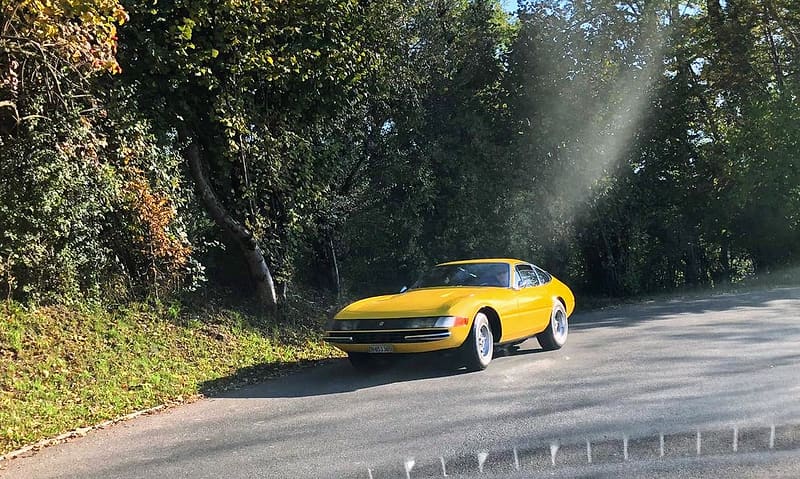
Daytona

1968–1973 · 1,406 built · 2 variants

Ferrari’s last great front-engined V12 berlinetta of its era, and in 1968 the fastest production car in the world.

Very rare

206 Dino

1967–1969 · 152 built

The first Dino and Ferrari’s first mid-engined road car: an aluminum-bodied 2.0-liter V6 coupe, of which only 152 were built.

Rare

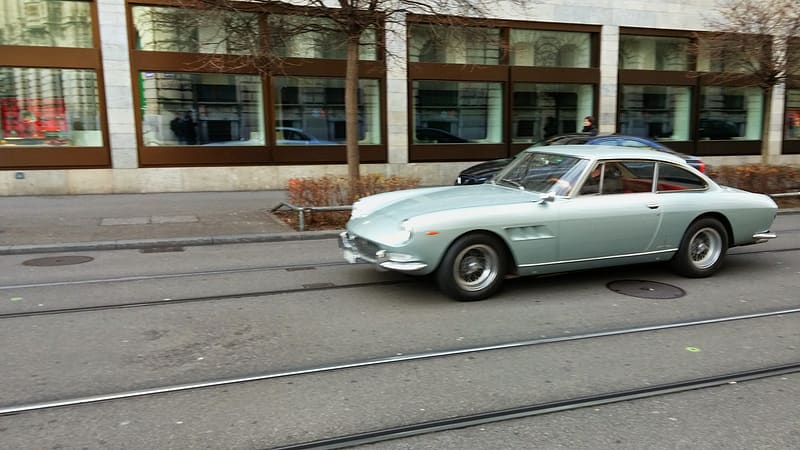
330 GTC

1966–1968 · 698 built · 9 variants

Pininfarina’s understated two-seat V12 coupe, often called the best-driving Ferrari GT of the 1960s.

Rare

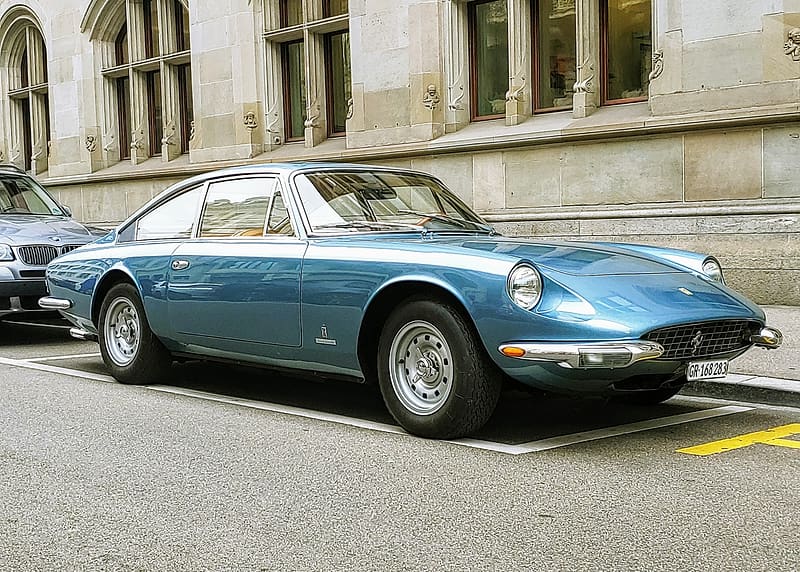
365 GT

1966–1972 · 5 variants

Ferrari’s 4.4-liter V12 grand tourers of the late ’60s: the four-seat 2+2, the elegant GTC and the rare GTS.

Rare

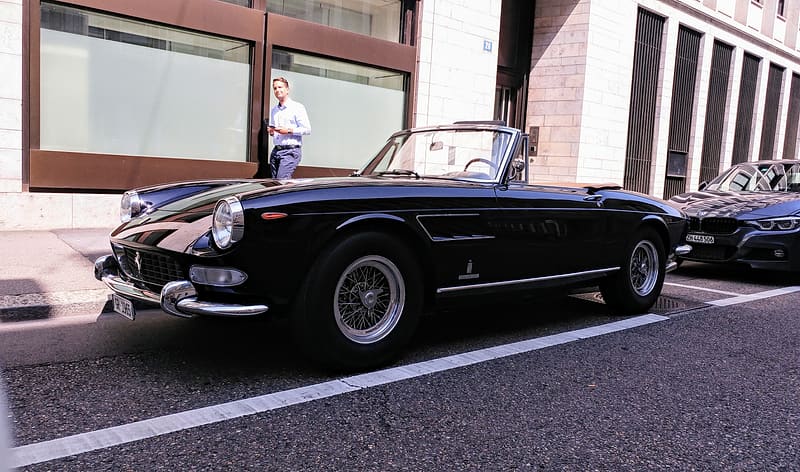
275

1964–1968 · 982 built · 6 variants

The first Ferrari road car with a rear transaxle, and in GTB/4 form its first four-cam road V12.

The 1950s

3 models · 235 spots
Legendary

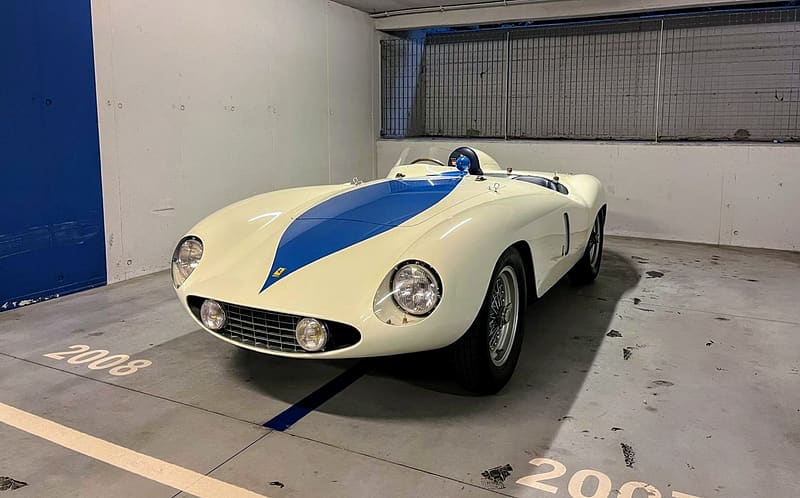
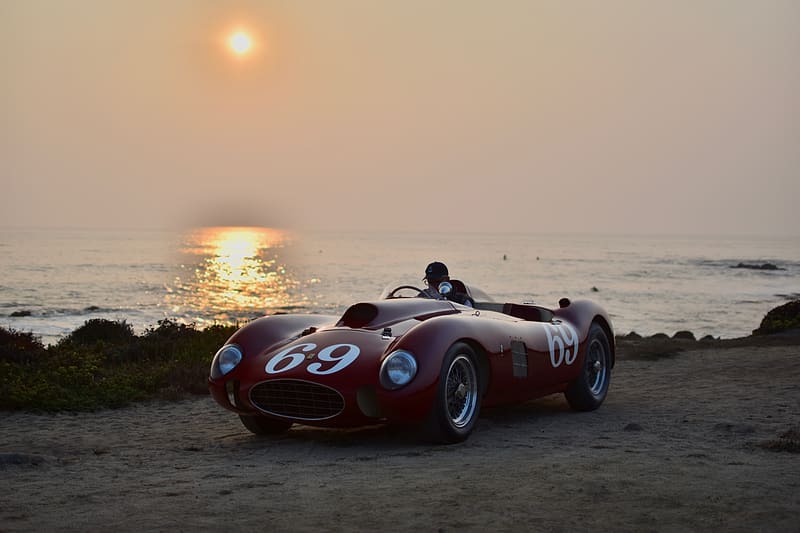
750 Monza

1954–1955 · 35 built

Ferrari’s mid-’50s four-cylinder sports racer, a small open two-seater with a 3.0-liter Lampredi engine, named for its win at Monza.

Legendary

375

1953–1954 · 12 built

Ferrari’s early-’50s V12 grand tourer for American buyers, with the big 4.5-liter Lampredi engine.

Uncommon

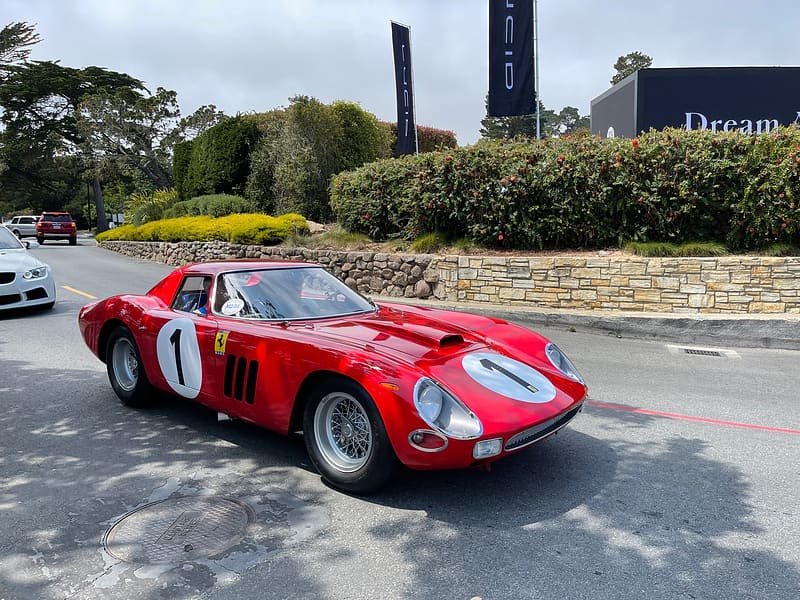
250

1952–1964 · 2,400 built · 21 variants

The family that made Ferrari: Colombo-V12 GTs and racers from the 250 GT Lusso to the 250 GTO, among the most valuable cars on earth.

The 1940s

1 model · 6 spots
Legendary

Rossa

1948–2000 · 4 variants

A catch-all for early Ferraris such as the 166 MM, plus Pininfarina’s Rossa concept. These photos need their own models.

Holy grails

The rarest Ferraris our spotters have found: fewer than 500 built.

Spotting a Ferrari

Most Ferrari names are numbers, and the number usually describes the engine. On classic V12s such as the 250, 275, 330 and 365, it is the size of one cylinder in cubic centimeters (250 × 12 = 3,000 cc). On cars such as the 206, 246, 308 and 348, the first two digits are liters and the last is the cylinder count, so a 308 has a 3.0-liter V8. On the 360, 430, 550 and 575, the number is simply the total size in liters.

Letters tell the body: GTB is a closed berlinetta, GTS is an open car (spider or targa), GTO stands for Gran Turismo Omologata, a road car built to qualify a race car, and M stands for Modificata, a modified version. The prancing horse comes in two forms: a shield with SF for Scuderia Ferrari below it, and a rectangle with the word Ferrari.

Red is the classic Ferrari color, but it is less common than it was. About 85 percent of new Ferraris were red in the early 1990s and 40 percent in 2012. A few models, such as the 288 GTO, were offered only in red. Europe, the Middle East and Africa take the most new Ferraris: 6,346 of the 13,640 shipped in 2025, against 3,937 for the Americas.

Watch for replicas built on the mid-engined Pontiac Fiero. The Mera, a fiberglass kit that made a new Fiero look like a Ferrari 308, was sold through Pontiac dealers in 1987 and 1988; 247 were built before Ferrari won a trademark lawsuit. Nothing was changed under the body, so a Mera still drives and sounds like a Fiero.