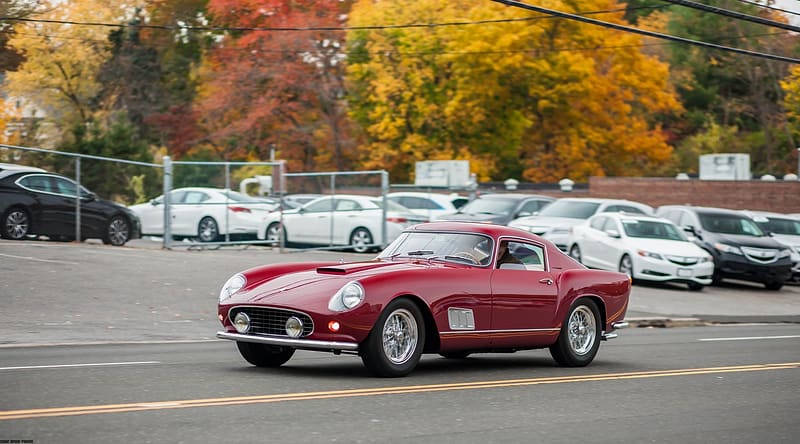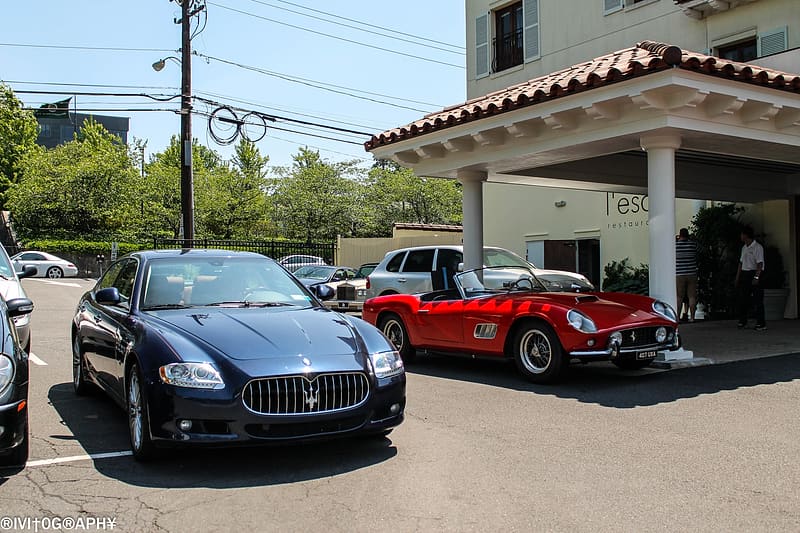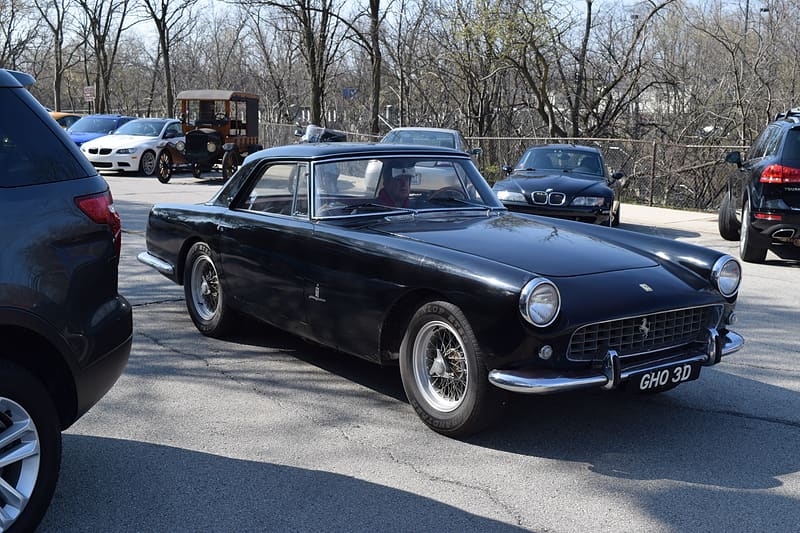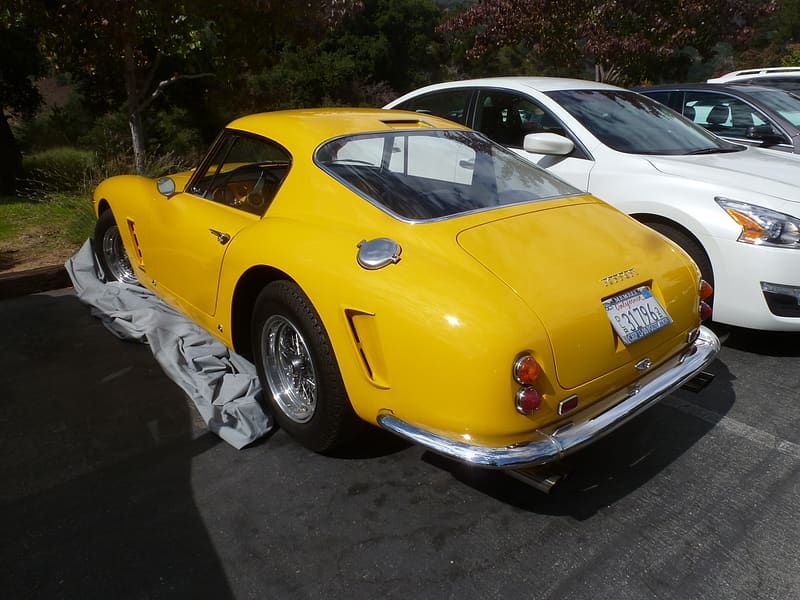
Ferrari 250

The family that made Ferrari: Colombo-V12 GTs and racers from the 250 GT Lusso to the 250 GTO, among the most valuable cars on earth.

Uncommon· 20 pts1952–1964Out of production2,400 built21 variants
Ferrari 250
Built2,400Approximate
Years1952–1964Out of production
Value today$627k–$39.99MRecent prices, by variant
On ExoticSpotter226120 spotters · 34 places

Every 250

21 variants, by generation: what each one is, and how to tell it apart on the street.

Road cars

1953–1964 · 14 variants · 69 spots · 5 possible
Not sorted yetIts spots are among the unsorted onesRare

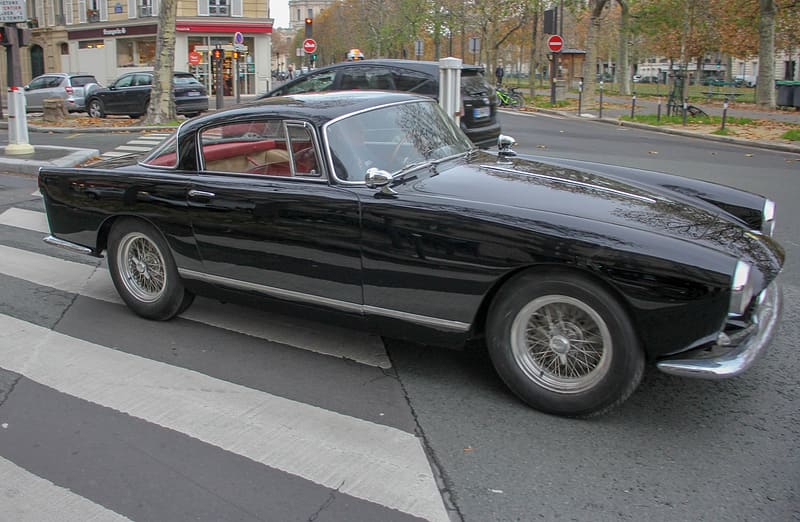
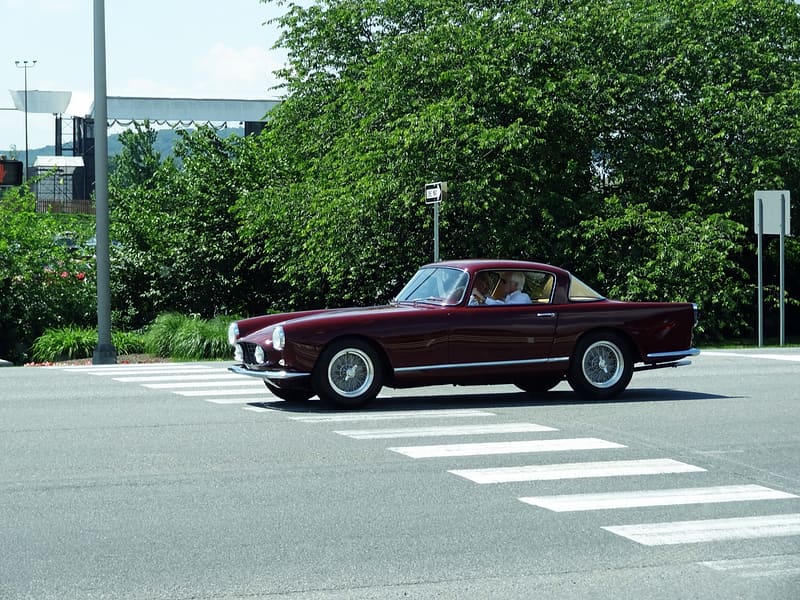
250 Europa

1953–1956

The first road cars of the 250 line. The 250 Europa of 1953 used Aurelio Lampredi’s V12 rather than Gioachino Colombo’s and rode on a long 2,800 mm wheelbase; 22 were built, most bodied by Pinin Farina and a few by Vignale. The 250 Europa GT, shown at the 1954 Paris show, switched to the Colombo V12 on a 2,600 mm wheelbase and was the first Ferrari to carry the Gran Turismo name.

Help sort them
Not spotted yetBe the firstRare

250 Europa GT

1953–1956

The first road cars of the 250 line. The 250 Europa of 1953 used Aurelio Lampredi’s V12 rather than Gioachino Colombo’s and rode on a long 2,800 mm wheelbase; 22 were built, most bodied by Pinin Farina and a few by Vignale. The 250 Europa GT, shown at the 1954 Paris show, switched to the Colombo V12 on a 2,600 mm wheelbase and was the first Ferrari to carry the Gran Turismo name.

Be the first to spot one
Rare

250 GT Boano

1956–1959 · $894k

Pinin Farina was building a new, larger factory and could not yet make as many cars as Ferrari wanted, so the small Carrozzeria Boano built the 250 GT coupe from 1956, after a prototype at that year’s Geneva show. When Mario Boano left to set up Fiat’s styling department at the end of 1957, his son-in-law Ezio Ellena carried on as Carrozzeria Ellena and built about 50 more. Sources disagree on how many Boanos were made.

How to spot one

Boano cars are the “low roof” coupes, with vent windows in the doors; Ellenas have a roof about two inches higher and no vent windows.

2 spots + 1 possible · Photos
Legendary

250 GT Ellena

1956–1959 · 50 built · $894k

Pinin Farina was building a new, larger factory and could not yet make as many cars as Ferrari wanted, so the small Carrozzeria Boano built the 250 GT coupe from 1956, after a prototype at that year’s Geneva show. When Mario Boano left to set up Fiat’s styling department at the end of 1957, his son-in-law Ezio Ellena carried on as Carrozzeria Ellena and built about 50 more. Sources disagree on how many Boanos were made.

How to spot one

Boano cars are the “low roof” coupes, with vent windows in the doors; Ellenas have a roof about two inches higher and no vent windows.

1 spot + 1 possible · Photos
Legendary

250 GT Tour de France (LWB Berlinetta)

1956–1959 · 77 built · $4.71M

A competition berlinetta on the long 2,600 mm wheelbase, built in aluminum by Scaglietti to a Pinin Farina design. It took its name from the Tour de France Automobile, which these cars won from 1956 through 1959. Power rose from 237 to 256 hp over the run; Wikipedia counts 77 built and RM Sotheby’s 72.

How to spot one

Look at the sail panel behind the side windows, which changed by series: early cars have no louvers or a row of 14, later ones three louvers and then a single vent, and most later cars have headlights under clear covers.

6 spots · Photos
Not spotted yetBe the firstRare

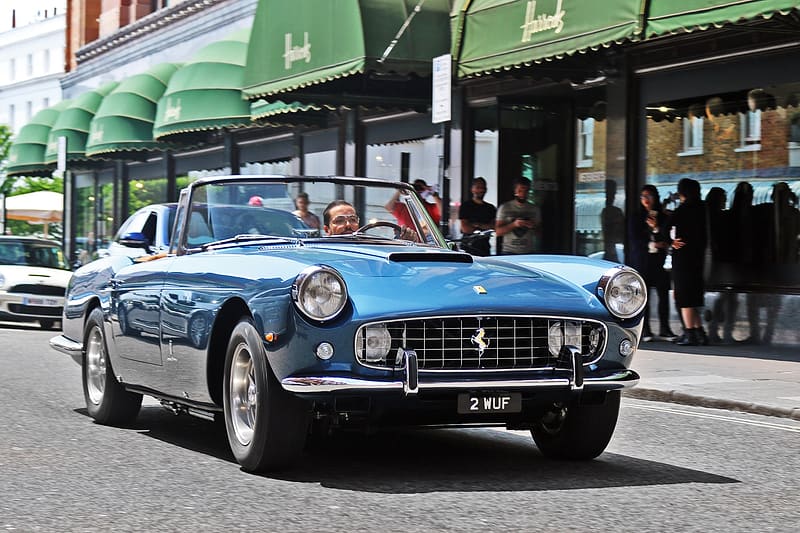
250 GT Cabriolet Pinin Farina Series I

1957–1962

Ferrari’s first series-built convertible, shown at Geneva in March 1957. RM Sotheby’s counts 40 Series I cars, hand-built in Pinin Farina’s special workshop and differing in many details. The Series II, shown at the 1959 Paris show, was standardized and built in larger numbers, about 200, with the outside-plug engine and four-wheel disc brakes.

How to spot one

Series I cars often have headlights under clear covers, chrome side vents and small bumperettes; the Series II has open headlights, plain sides like the 250 GT Coupé and longer tail lights.

1 possible · help confirm
Not sorted yetIts spots are among the unsorted onesVery rare

250 GT Cabriolet Pinin Farina Series II

1957–1962 · 200 built

Ferrari’s first series-built convertible, shown at Geneva in March 1957. RM Sotheby’s counts 40 Series I cars, hand-built in Pinin Farina’s special workshop and differing in many details. The Series II, shown at the 1959 Paris show, was standardized and built in larger numbers, about 200, with the outside-plug engine and four-wheel disc brakes.

How to spot one

Series I cars often have headlights under clear covers, chrome side vents and small bumperettes; the Series II has open headlights, plain sides like the 250 GT Coupé and longer tail lights.

4 possible · help confirm
Legendary

250 GT California Spyder LWB

1957–1960 · 50 built

An open 250 GT built by Scaglietti in Modena from 1957 to 1960 on the 2,600 mm chassis, with the Tour de France’s V12 of up to 237 hp. The body used aluminum for the hood, doors and trunk lid and steel elsewhere. 50 were made.

How to spot one

Compared with the later SWB car it has a longer body, a hood scoop that is fully raised rather than half-recessed, headlight covers usually without chrome rims and four slots in each side vent instead of three.

4 spots + 14 possible · Photos
Very rare

250 GT Coupé Pinin FarinaStandard

1958–1960 · 335 built

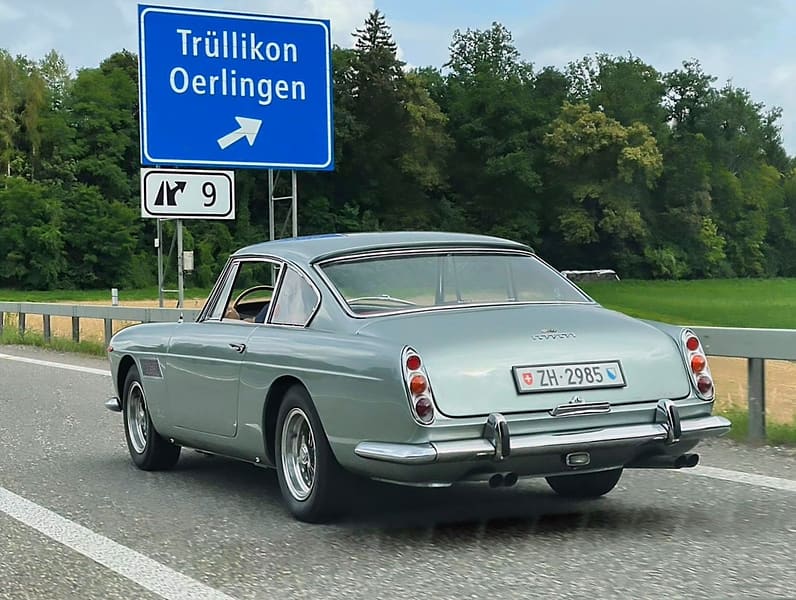
Shown in 1958, this coupe replaced the Boano and Ellena cars and was Ferrari’s first real step into series production, built by Pinin Farina itself. Telescopic shock absorbers were fitted, and disc brakes arrived in 1960. Wikipedia counts 335 built by 1960 and RM Sotheby’s 353.

How to spot one

A notchback coupe with a wide rear window, a long, narrow grille, protruding headlights and plain sides with no vents on the front fenders.

5 spots + 4 possible · Photos
Very rare

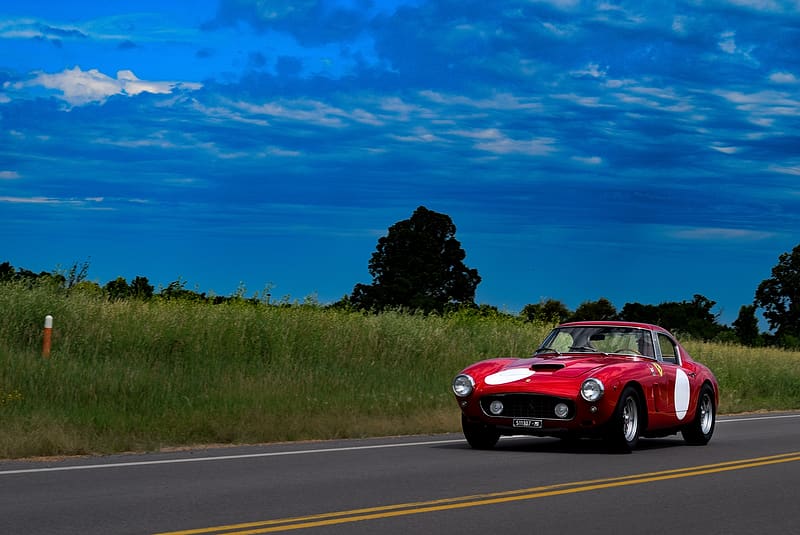
250 GT SWB Berlinetta

1959–1962 · 176 built · $9.17M

Revealed at the Paris show in October 1959, the SWB put the 250 GT on a wheelbase 200 mm shorter than the Tour de France’s and was the first Ferrari GT with disc brakes. Pinin Farina styled it and Scaglietti built it in steel road (Lusso) or all-aluminum competition form, with 237 to 276 hp. It won the Tour de France Automobile in 1960, 1961 and 1962; Wikipedia counts 176 built and RM Sotheby’s about 165.

How to spot one

Shorter and more compact than the Tour de France, with the fenders blended into the body, a short front overhang, a sloping windshield and a fastback tail with lots of glass.

8 spots + 17 possible · Photos
Legendary

250 GT California Spyder SWB

1960–1963 · 55 built · $14.18M–$18.13M

The California on the shorter 2,400 mm SWB chassis, shown at the 1960 Geneva show with the 276 hp engine; Scaglietti built about 55 by 1963. Cars once owned by James Coburn and Alain Delon have sold for millions, and a competition car fetched $25.3 million at Monterey in 2025.

How to spot one

A half-recessed hood scoop, chrome rims around the covered headlights, three slots in each side vent and more slanted tail lights set it apart from the LWB car. Replicas exist: the car in Ferris Bueller’s Day Off was a fiberglass Modena Spyder.

3 spots + 31 possible · Photos
Rare

250 GT/E 2+2

1960–1963 · 955 built

Ferrari’s first large-production four-seater, first seen at the 1960 24 Hours of Le Mans and shown at the Paris show that October. Pininfarina moved the V12 about eight inches forward on the 2,600 mm chassis and raised the rear roofline to fit rear seats that suit children better than adults. 955 were built in three series (Wikipedia; RM Sotheby’s says 954).

How to spot one

A 2+2: look through the side windows for small rear seats under a slightly raised rear roofline.

23 spots + 1 possible · Photos
Very rare

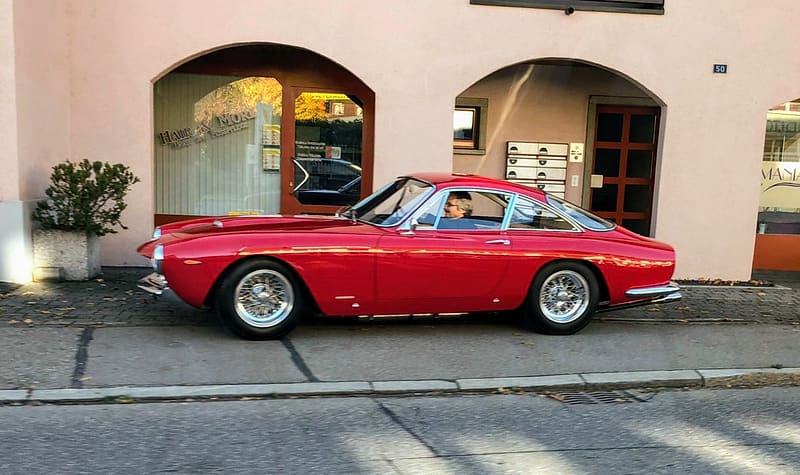
250 GT Berlinetta Lusso

1962–1964 · 350 built · $627k–$2.45M

Shown at the 1962 Paris show and built through 1964, the Lusso (“luxury”) was a roomy two-seat road berlinetta designed by Pininfarina and built by Scaglietti. Its steel body had aluminum doors, hood and trunk lid, and its 3.0-liter V12 made about 240–250 hp. Some 350 were made; Steve McQueen and Eric Clapton each owned one.

How to spot one

A fastback with a cut-off Kamm tail and a small built-in spoiler, a wide egg-crate grille and rounded front fenders; inside, the speedometer and tachometer sit in the center of the dashboard.

17 spots + 4 possible · Photos
Not spotted yetBe the firstLegendary

250 GT SWB “Breadvan”

1962 · 1 built

A one-off racer built in 1962 from a 1961 250 GT SWB (chassis 2819 GT) for Count Giovanni Volpi, after Enzo Ferrari refused to sell him a 250 GTO because Volpi had hired former Ferrari engineers at ATS. Giotto Bizzarrini moved the engine back and lowered it with a dry sump, and Piero Drogo’s shop built the long-roofed body. It retired from Le Mans in 1962 with a broken driveshaft but won its class twice that year.

How to spot one

The roof runs straight back to a sharply cut-off tail, the shooting-brake look that earned it the “Breadvan” name.

Be the first to spot one

Race cars

1952–1965 · 7 variants · 0 spots · 28 possible
Not spotted yetBe the firstRare

250 S

1952–1954

The first racing 250s. The 250 S prototype, driven by Giovanni Bracco, won the 1952 Mille Miglia. The 250 MM followed in 1953 with 237 hp; 31 were built with Pinin Farina berlinetta or Vignale spyder bodies, and some raced until 1962. The 1954 250 Monza put the same engine in the shorter chassis of the four-cylinder 500 Mondial but had little success.

Be the first to spot one
Not spotted yetBe the firstRare

250 MM

1952–1954

The first racing 250s. The 250 S prototype, driven by Giovanni Bracco, won the 1952 Mille Miglia. The 250 MM followed in 1953 with 237 hp; 31 were built with Pinin Farina berlinetta or Vignale spyder bodies, and some raced until 1962. The 1954 250 Monza put the same engine in the shorter chassis of the four-cylinder 500 Mondial but had little success.

Be the first to spot one
Not spotted yetBe the firstRare

250 Monza

1952–1954

The first racing 250s. The 250 S prototype, driven by Giovanni Bracco, won the 1952 Mille Miglia. The 250 MM followed in 1953 with 237 hp; 31 were built with Pinin Farina berlinetta or Vignale spyder bodies, and some raced until 1962. The 1954 250 Monza put the same engine in the shorter chassis of the four-cylinder 500 Mondial but had little success.

Be the first to spot one
Not spotted yetBe the firstLegendary

250 Testa Rossa

1957–1961 · 34 built · $16.39M

Ferrari’s 3.0-liter V12 sports racer of 1957–1961, named “red head” for its red-painted cam covers. Its Colombo V12 made about 300 hp, and the cars won Le Mans in 1958, 1960 and 1961, bringing Ferrari the sports car championship each of those years. Wikipedia counts 33 built across all versions.

How to spot one

The 1958 cars have the “pontoon fender” body, with a cutaway nose and front fenders standing apart from the central body; later cars have more conventional bodywork.

4 possible · help confirm
Not spotted yetBe the firstLegendary

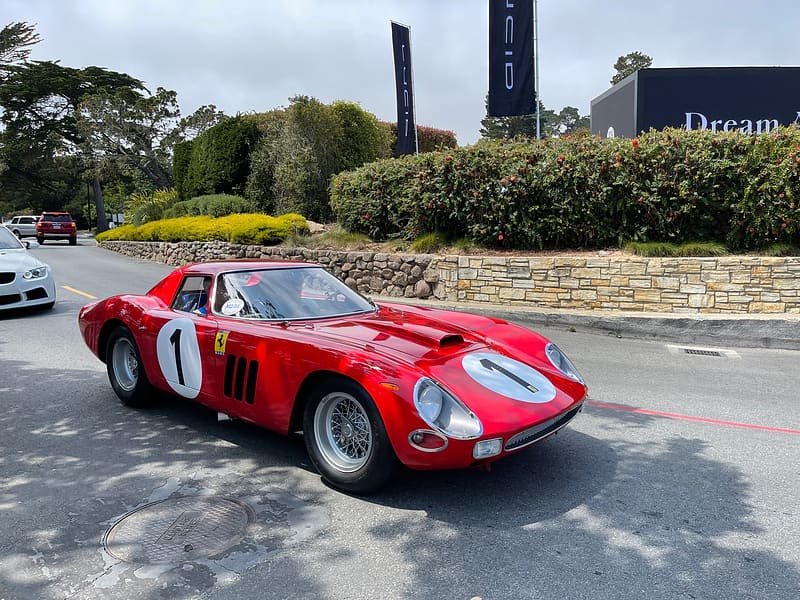
250 GTO

1962–1964 · 36 built · $39.99M

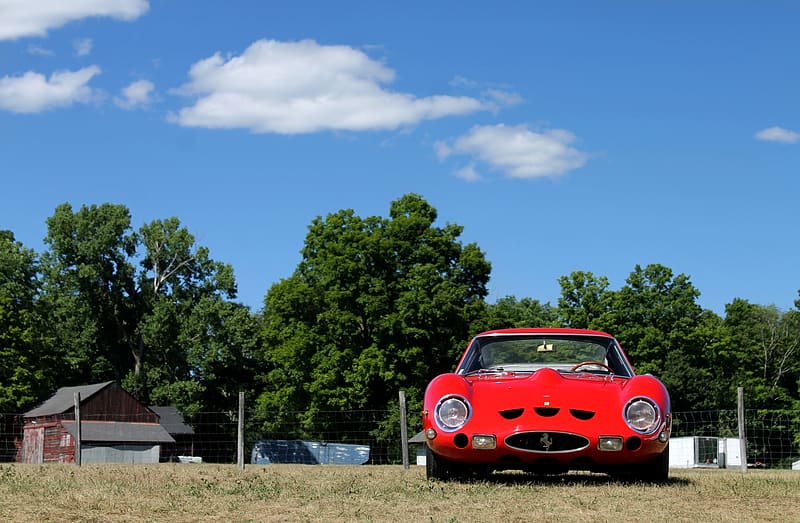
A GT racer built from 1962 to 1964 for FIA Group 3 homologation; GTO stands for Gran Turismo Omologato. Giotto Bizzarrini led its development and Mauro Forghieri finished it, with aluminum bodies by Scaglietti over a 296 hp 3.0-liter V12, and buyers had to be approved by Enzo Ferrari. 33 cars got the 1962–63 body and three the 1964 Series II body, 36 in all; one sold for $48.4 million in 2018.

How to spot one

A long, low nose with a small grille and three intakes on top of the nose with removable covers, plus a spoiler on the tail; the 1964 Series II body looks more like the 250 LM. Several replicas have been built on more common Ferrari chassis.

22 possible · help confirm
Not spotted yetBe the firstRare

250 P

1963 · $18.7M

A 1963 open sports prototype and the first Ferrari sports racer with its V12 mounted behind the driver. Developed under Mauro Forghieri with a 3.0-liter Colombo V12 of about 300 bhp, it won the 12 Hours of Sebring, the Nürburgring 1000 km and the 24 Hours of Le Mans in 1963. Four were built, and all were later converted to 275 P or 330 P specification.

Be the first to spot one
Not spotted yetBe the firstLegendary

250 LM

1963–1965 · 32 built

A mid-engined berlinetta derived from the 250 P, shown at the 1963 Paris show with a Pininfarina body. Ferrari wanted to race it as a GT, but the FIA refused to homologate it, so it ran as a prototype; only the earliest cars had the 3.0-liter engine and the rest 3.3 liters. A privately entered North American Racing Team car won Le Mans in 1965, and 32 were built.

How to spot one

The closed mid-engined 250: the V12 sits behind the cabin, giving a short nose and a long rear deck, unlike the front-engined 250 GTO.

2 possible · help confirm

157 250 spots need a variant

Most spotters just write “250”, and those count as the standard 250 GT Coupé Pinin Farina. These have a clue in the description that says otherwise, or a spotter’s question, and wait in Help identify: when three spotters agree, the spot gets its variant.

69 of 226 sorted (31%) · 157 questions waiting
Help sort 157

Best spots

All 250 photos
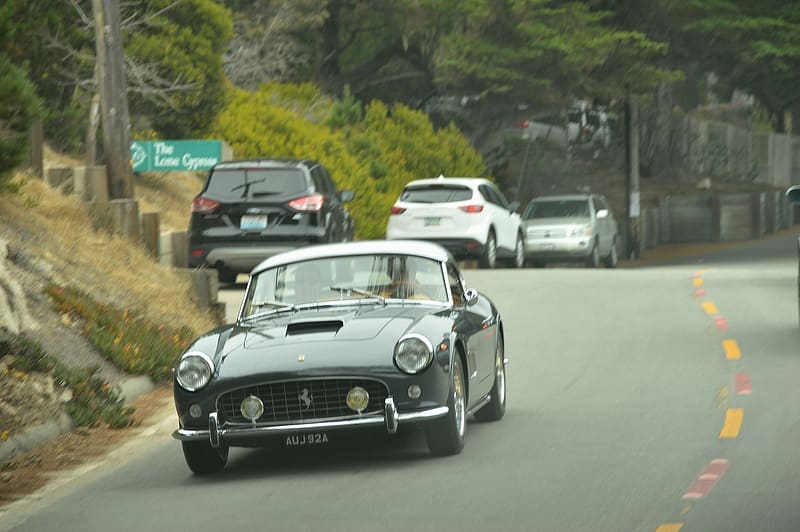
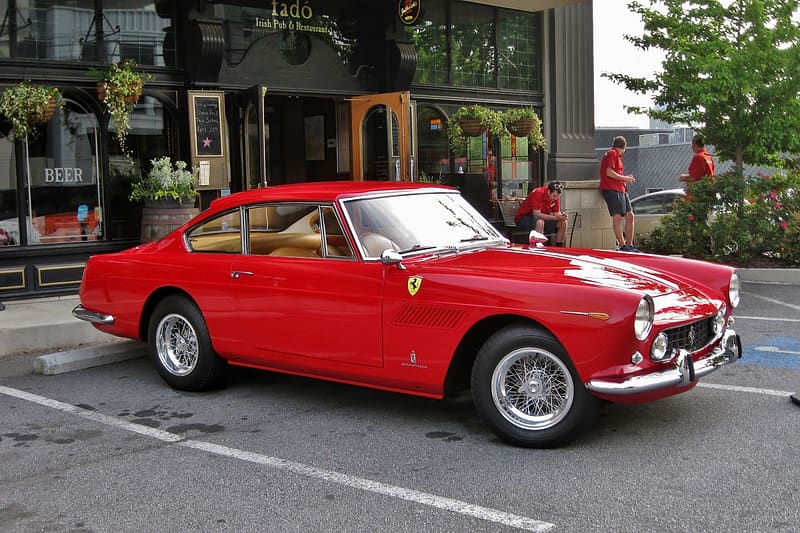
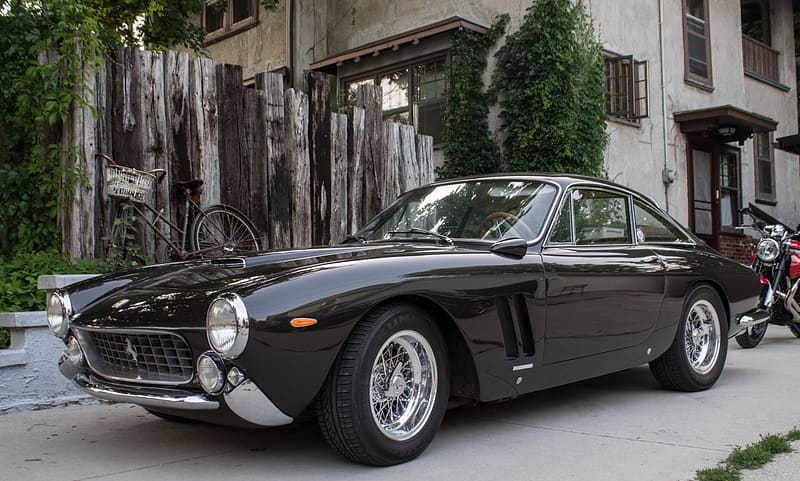
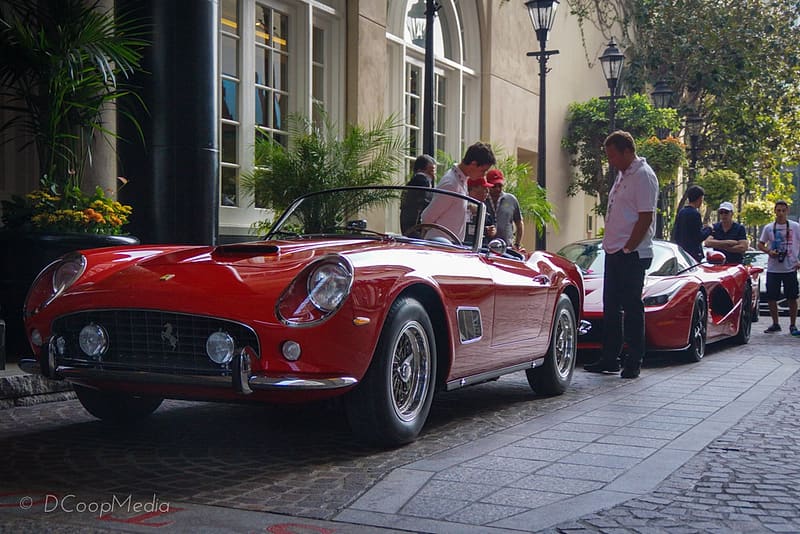
Ferrari 250 spotted in Pebble Beach, CaliforniaFerrari 250 spotted in Atlanta, GeorgiaFerrari 250 spotted in Beverly Hills, CaliforniaFerrari 250 spotted in Lakeville, ConnecticutFerrari 250 spotted in Trüllikon, SwitzerlandFerrari 250 spotted in Medina, MinnesotaFerrari 250 spotted in London, United KingdomFerrari 250 spotted in St. Moritz, Switzerland