McLaren

The British supercar maker from Woking, born of the Formula One team, known for carbon fiber chassis, upward-opening doors and the record-setting F1.

WokingSince 198521 models4 in production
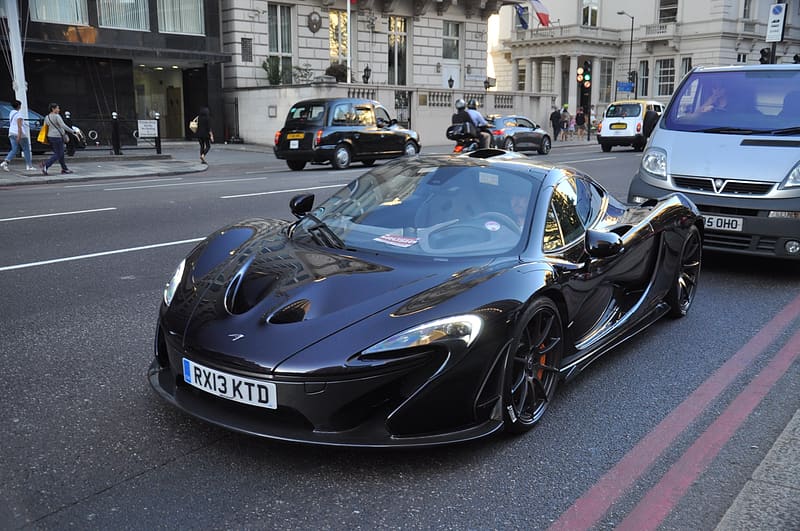
McLaren P1IconMcLaren P1375 built
Founded1985Woking
Models2118 spotted · 4 in production
Spots5,5826,348 photos
Spotters1,023in 100 places
Most spottedMP4-12C2,096 spots
Rarest spottedSabre15 built · 5 spots

The lineup

Every McLaren on ExoticSpotter, newest first. Each opens its own guide, with every variant and how to spot it.
In production

4 models · 113 spots
Uncommon

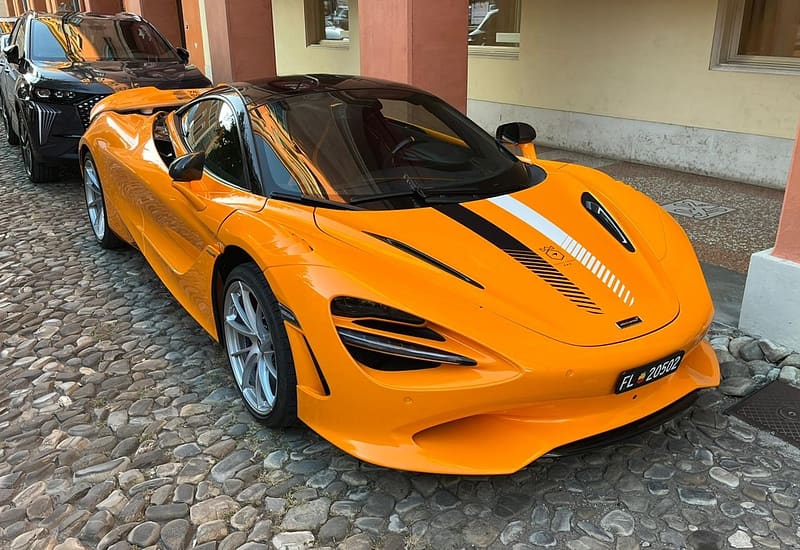
750S

2023–Present · 2 variants

The 720S’s successor: lighter and more powerful, with 740 hp, as a coupe and Spider.

Uncommon

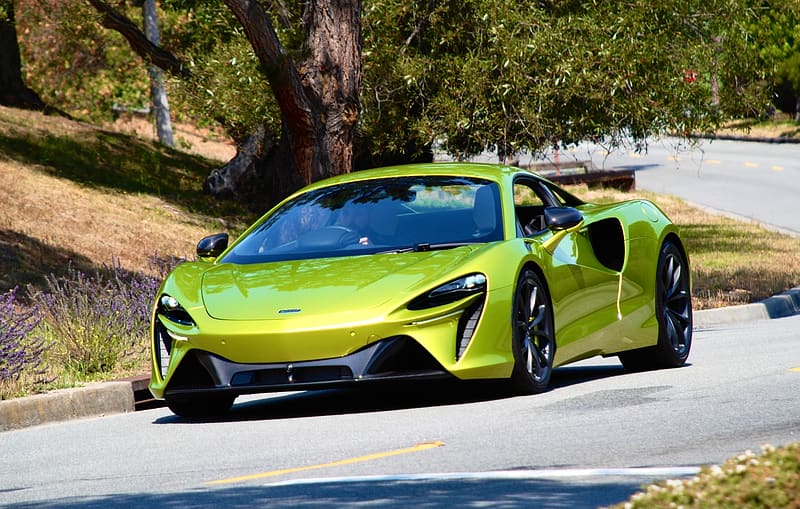
Artura

2022–Present · 2 variants

McLaren’s first series-production plug-in hybrid, with a new 120-degree V6 and 19 miles of electric range.

Rare

GT

2019–Present · 2 variants

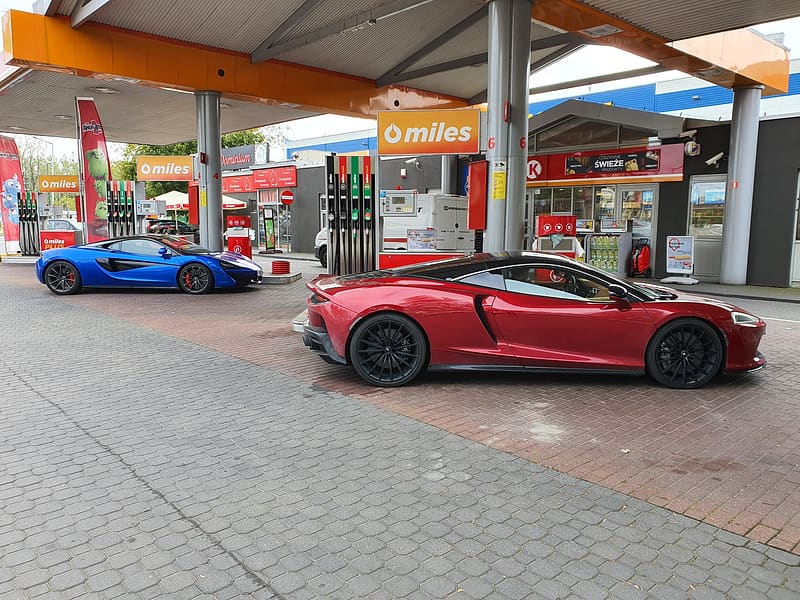
McLaren’s grand tourer: a 203-mph carbon-tubbed coupe with room for golf clubs.

The 2020s

5 models · 134 spots
Rare

765LT

2020–2022 · 2 variants

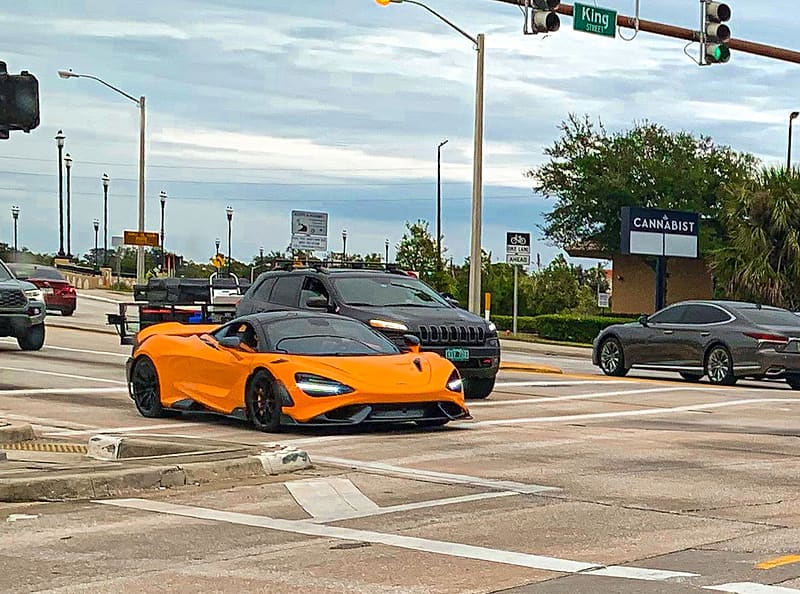
The Longtail 720S: 755 hp, 80 kg lighter, Senna brakes and a titanium exhaust.

Very rare

Elva

2020–2022 · 149 built

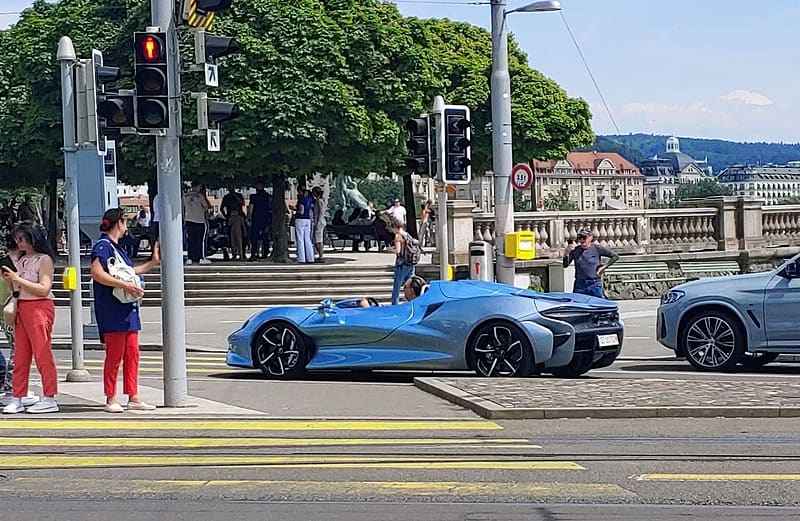
McLaren’s roofless, windshieldless speedster, named after the 1960s McLaren-Elva racers.

Very rare

Speedtail

2020 · 106 built

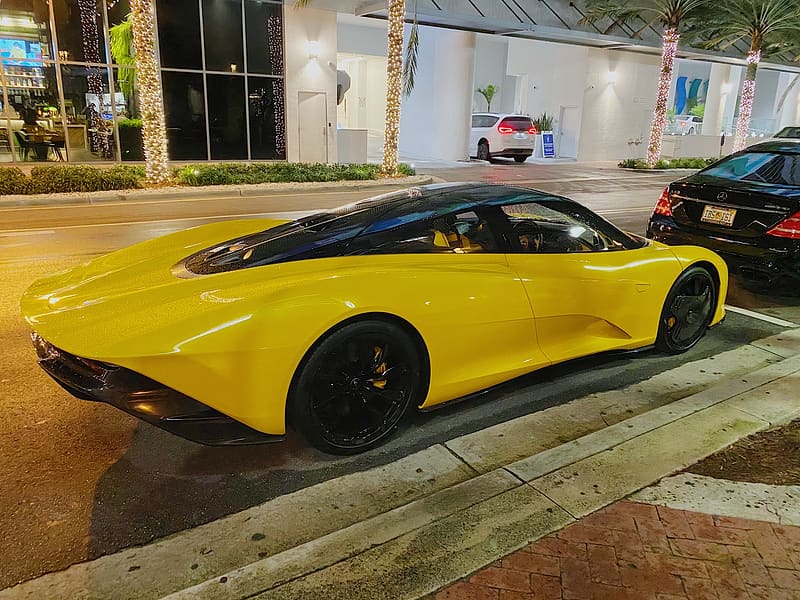
The F1’s spiritual successor: a three-seat, central-driving-position hybrid “Hyper-GT” that reaches 250 mph.

Legendary

Sabre

2020 · 15 built

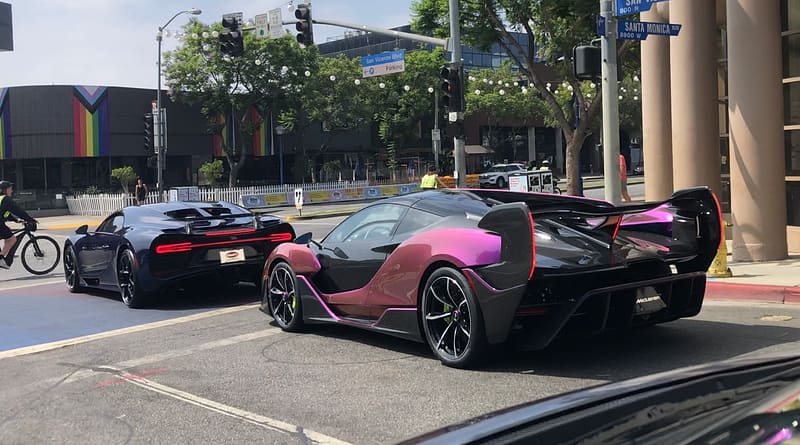
A 15-car, US-only McLaren Special Operations hypercar inspired by a Gran Turismo concept, with 824 hp.

The 2010s

11 models · 5,245 spots
Very rare

620R

2019–2020 · 225 built

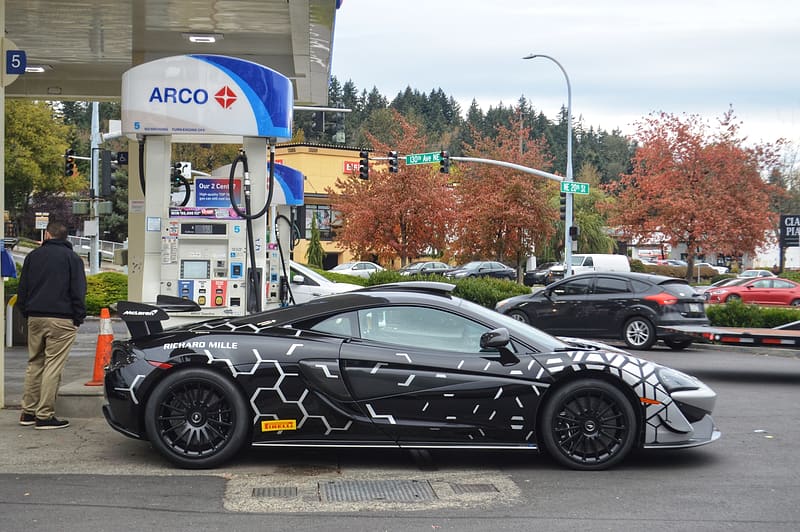
A road-legal version of the 570S GT4 race car, with 612 hp and its racing wing.

Rare

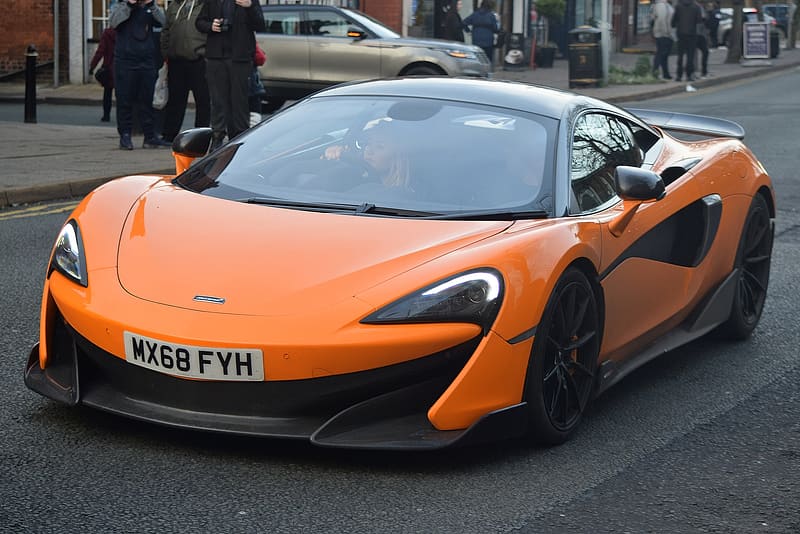
600LT

2018–2020 · 2 variants

The “Longtail” Sports Series car: a lighter, louder 570S with top-exit exhausts and 592 hp.

Rare

Senna

2018–2019 · 615 built · 4 variants

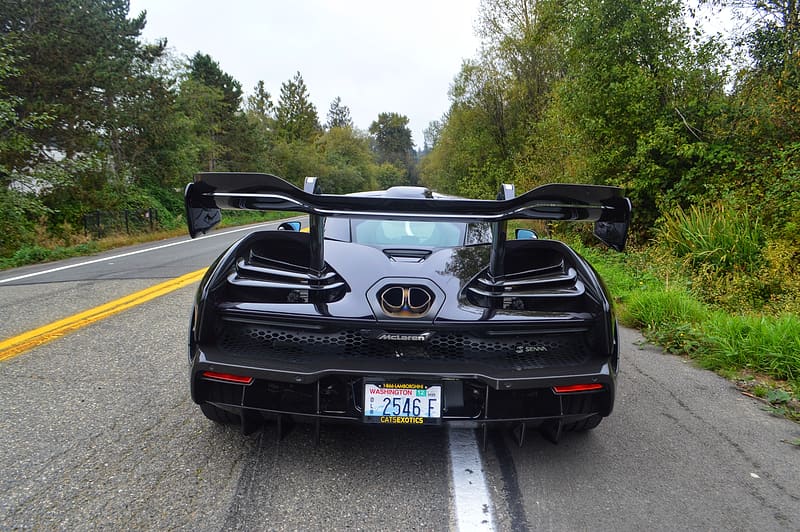
McLaren’s road-legal track weapon, named for Ayrton Senna, built for lap times rather than looks.

Uncommon

720S

2017–2023 · 10 variants

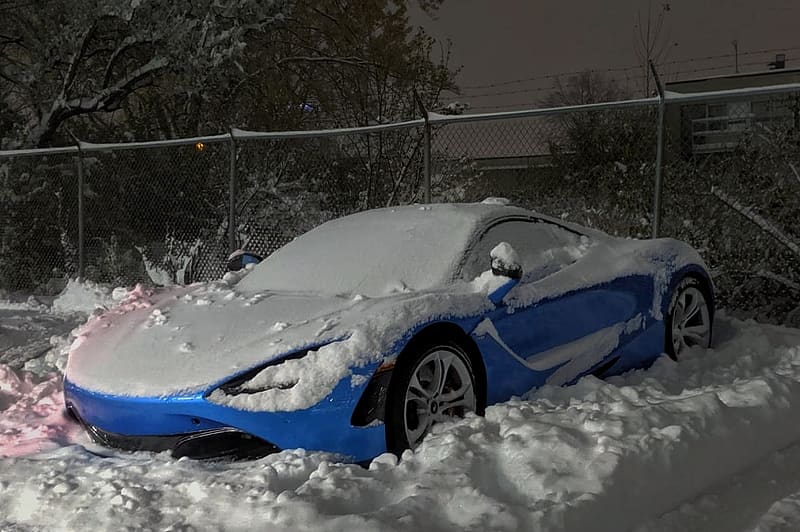
McLaren’s second-generation Super Series: 710 hp, a carbon MonoCage II tub and eye-socket headlights hiding the radiators.

Legendary

MSO HS

2016 · 25 built

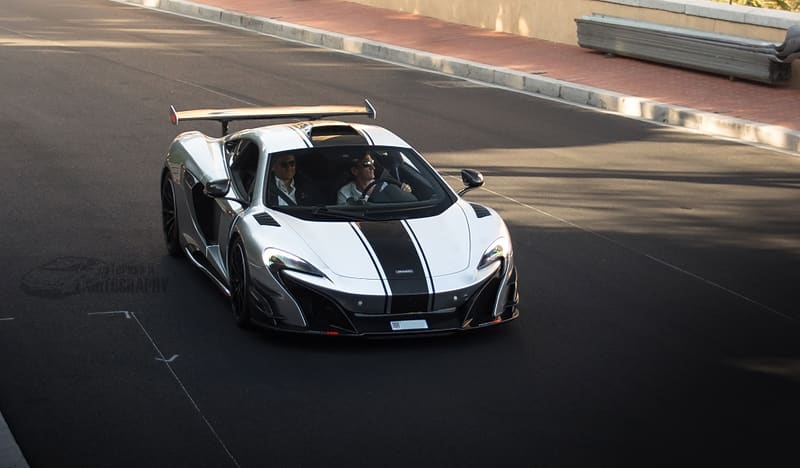
McLaren Special Operations’ 25-car “High Sport”: a 675LT with P1 GTR-inspired aero and 679 hp.

Common

570S

2015–2021 · 9 variants

McLaren’s “entry” supercar: a carbon-tubbed, twin-turbo V8 coupe meant to take on the Porsche 911 Turbo and Audi R8.

Rare

675LT

2015–2017 · 1,000 built · 5 variants

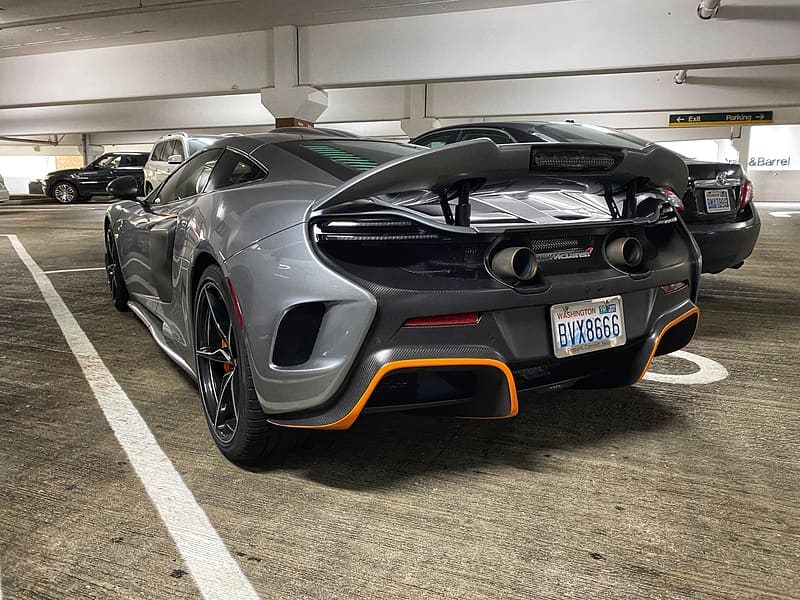
The first modern McLaren “Longtail”: a lighter, sharper 650S with 666 hp and a longer tail, after the F1 GTR Longtail.

Uncommon

650S

2014–2017 · 11 variants

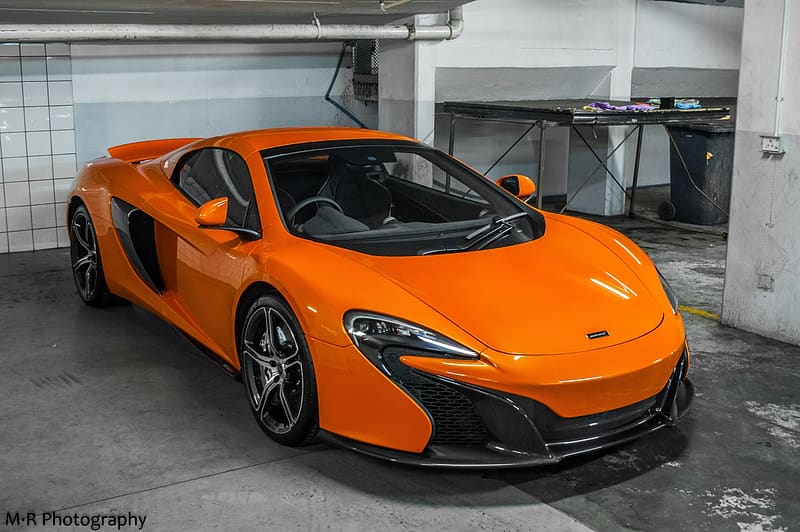
The 12C reworked with P1 styling and 641 hp: McLaren’s core supercar between the 12C and the 720S.

Very rare

P1

2013–2015 · 375 built · 8 variants

The McLaren F1’s hybrid successor: 903 hp from a twin-turbo V8 and an electric motor, one of the original hypercar “holy trinity”.

Uncommon

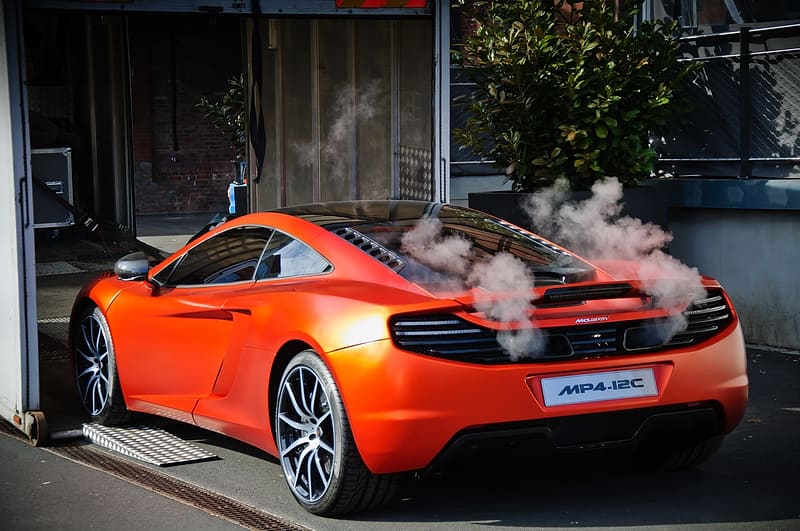
MP4-12C

2011–2014 · 3,400 built · 16 variants

McLaren Automotive’s first car: a carbon-tub, twin-turbo V8 supercar that rode like a sedan.

The 1990s

1 model · 90 spots
Legendary

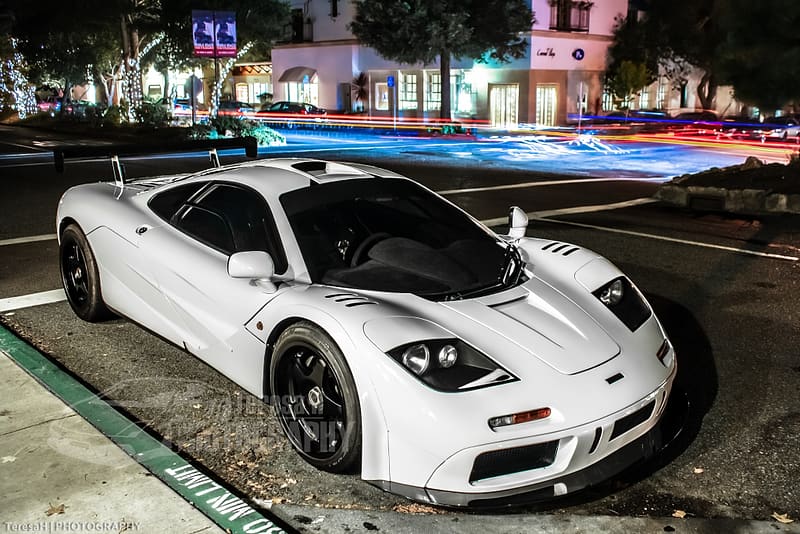
F1

1992–1998 · 106 built · 5 variants

Gordon Murray’s three-seat masterpiece: still the fastest naturally aspirated production car ever made.

Holy grails

The rarest McLarens our spotters have found: fewer than 500 built.

Spotting a McLaren

Sports and Super Series names are the engine’s power in PS plus a letter: C for Club, S for Sport, GT for Grand Tourer and LT for Longtail, a lighter, longer, track-focused version. So a 720S has 720 PS (710 hp) and a 765LT is the Longtail 720S. The limited-run Ultimate Series cars (F1, P1, Senna, Speedtail, Elva, Solus GT and W1) have names instead.

MSO stands for McLaren Special Operations, the division that builds personalized cars and limited editions such as the Senna LM, MSO HS and MSO X.

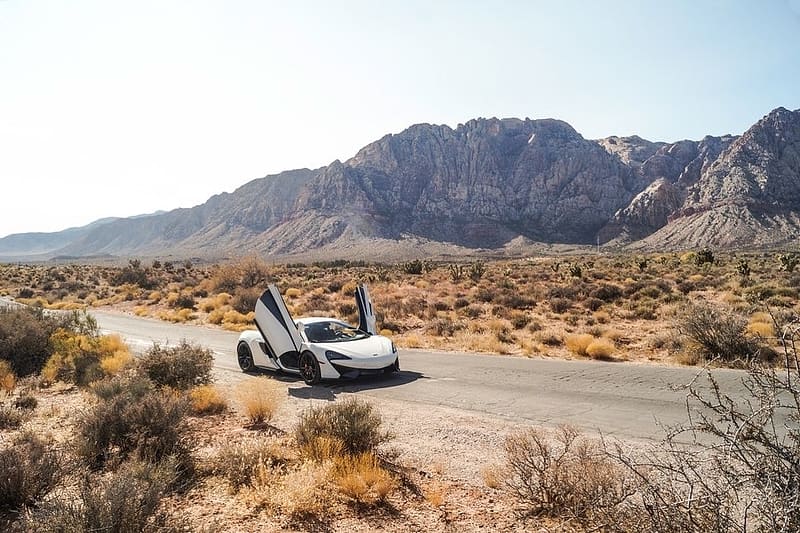
Most McLarens since the F1 have doors that swing up and forward. The W1 is the first with Anhedral doors hinged from the roof, and the single-seat Solus GT has no doors at all, only a sliding canopy.

The Mercedes-Benz SLR McLaren (2003–2010) wears Mercedes badges, but McLaren designed and built it, with final assembly in Woking.