 Common
Lotus
The British maker founded by Colin Chapman, known for light, fine-handling sports cars such as the Elan, Esprit and Elise, and for its Formula One titles.
 HethelSince 195211 models2 in production
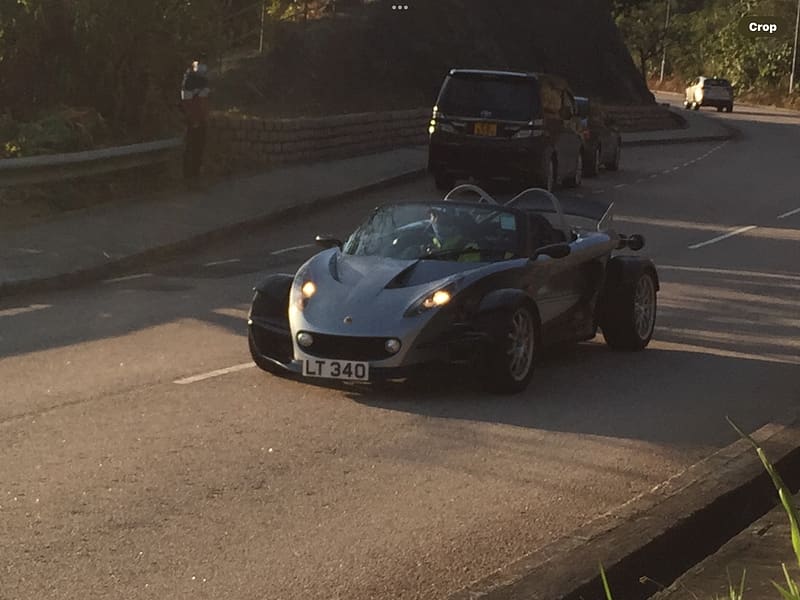 IconLotus 340R340 built
Founded1952Hethel
Models1111 spotted · 2 in production
Spots2,6283,078 photos
Spotters960in 104 places
Most spottedElise1,149 spots
Rarest spottedEvija130 built · 2 spots
The lineup
Every Lotus on ExoticSpotter, newest first. Each opens its own guide, with every variant and how to spot it.
In production
2 models · 36 spots
The 2020s
1 model · 2 spots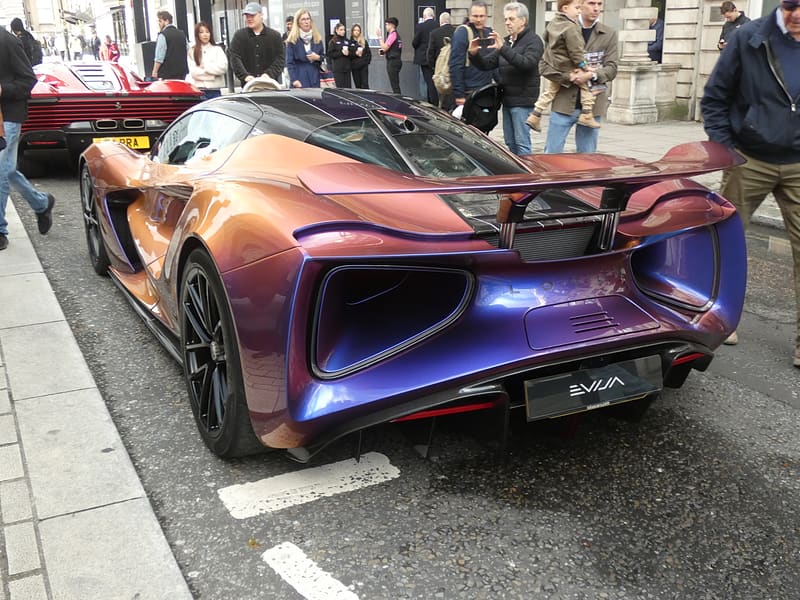
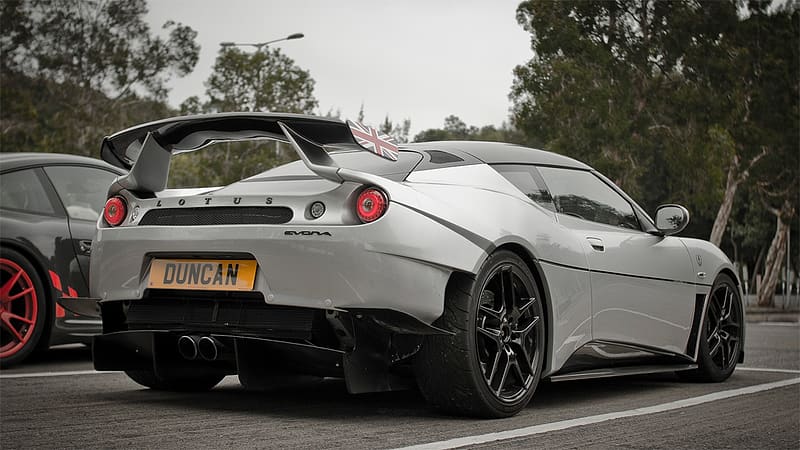
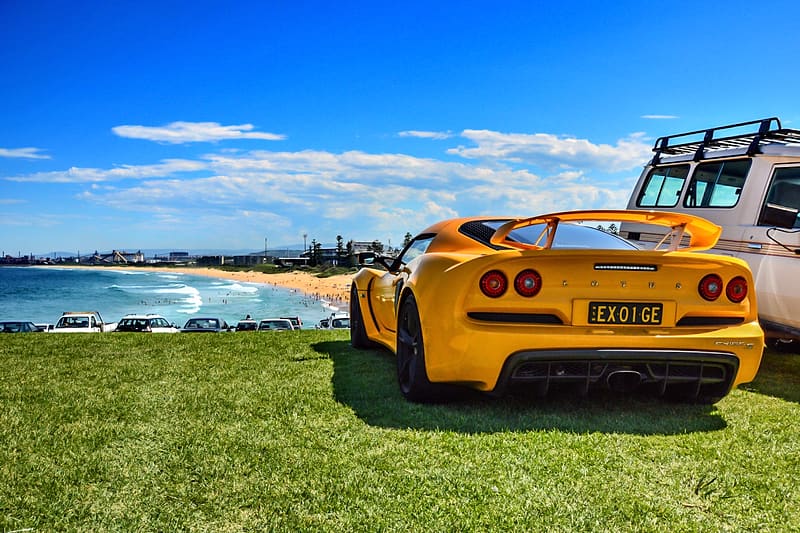
The 1990s
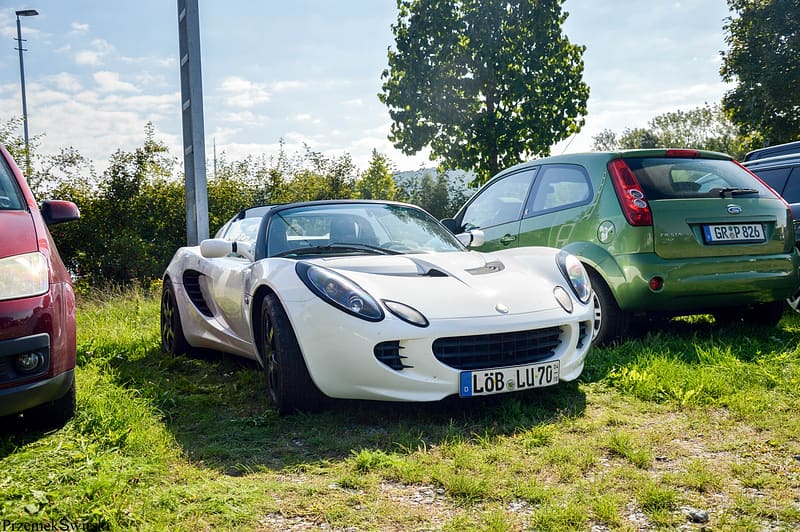
1 model · 1,149 spots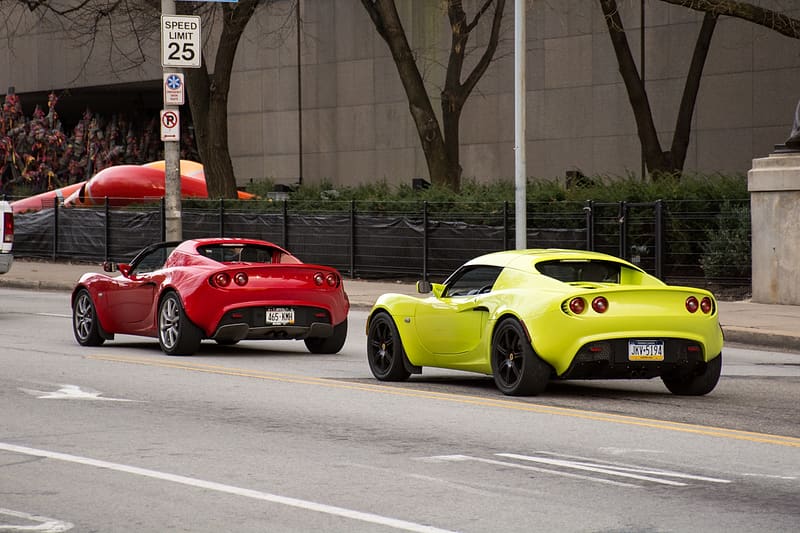
The 1970s
1 model · 299 spots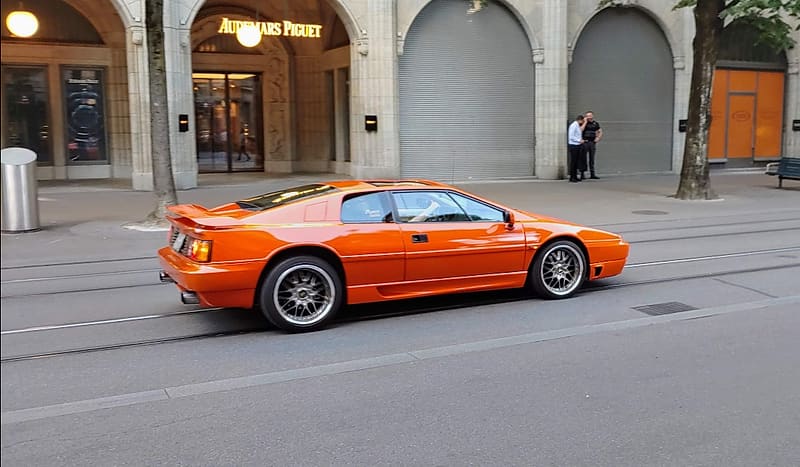
The 1960s
1 model · 42 spots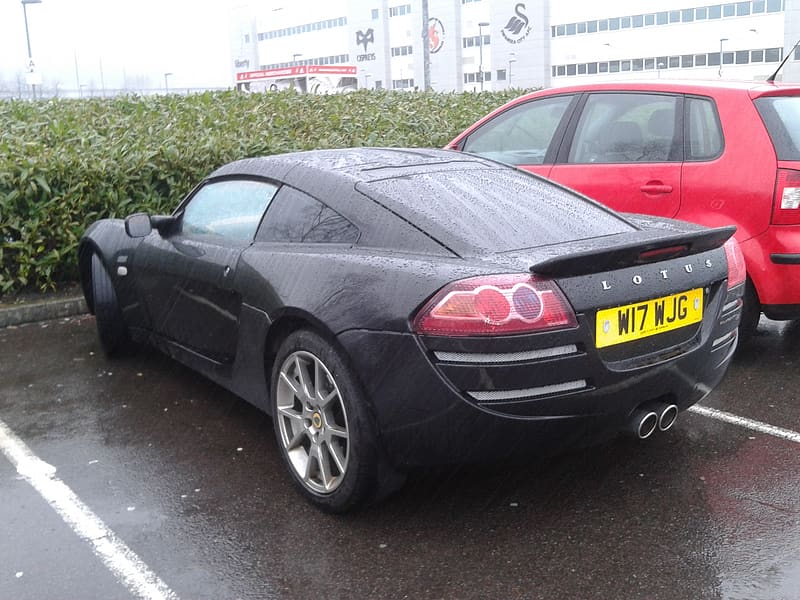
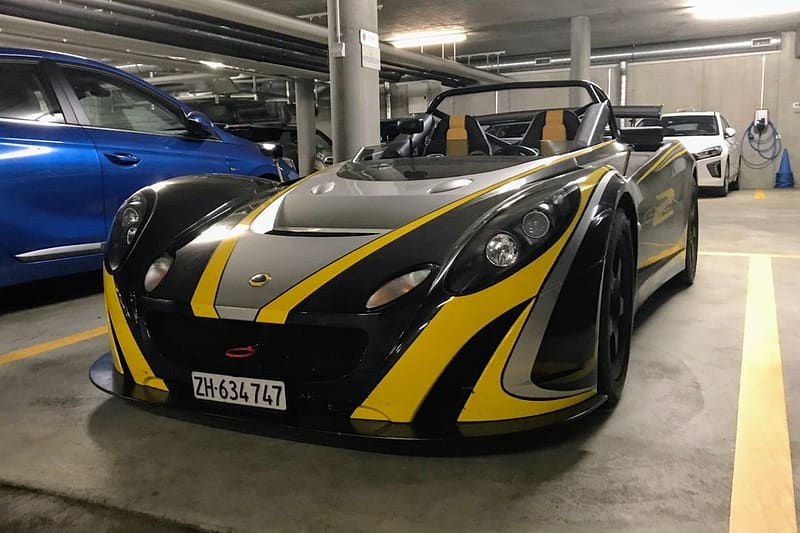
Holy grails
The rarest Lotuss our spotters have found: fewer than 500 built.
Spotting a Lotus
Since the Eleven of 1956, most Lotus road cars have had names beginning with E, from Elite and Elan to Esprit, Elise, Evija and Emeya; the Seven is a rare exception. Every model also has a Lotus type number: the Elise is Type 111, the Evija Type 130 and the Eletre Type 132.
The letters ACBC in the middle of the Lotus badge stand for Colin Chapman’s full name, Anthony Colin Bruce Chapman.
Seven-style roadsters are everywhere, but most are not Lotuses: Caterham bought the rights to the Seven in 1973 and still builds it, and Westfield and Donkervoort make their own versions.
Some Elise look-alikes are relatives: the Opel Speedster/Vauxhall VX220 was built on the same line at Hethel on a related chassis, and the first Tesla Roadster was based on the Elise chassis.