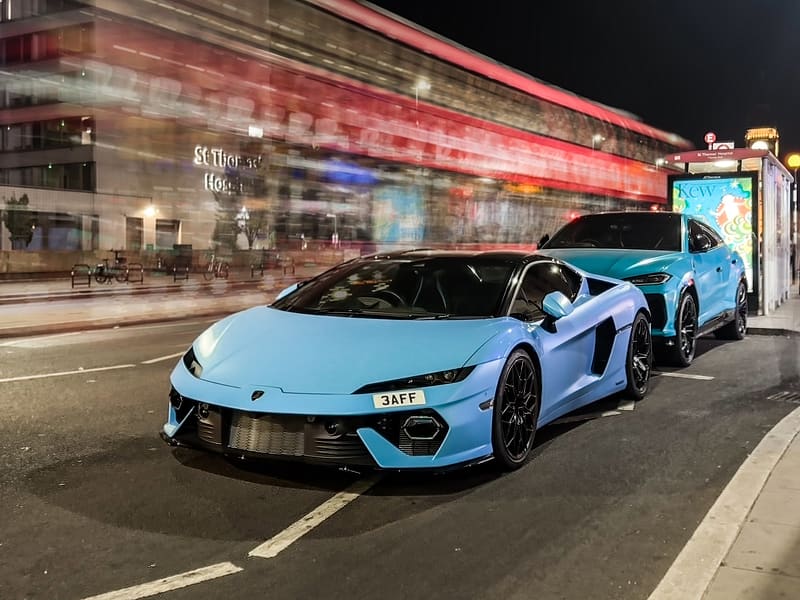
 Uncommon

Lamborghini
The Sant’Agata Bolognese maker of mid-engined V12 supercars and the Urus, founded in 1963 by a tractor builder to take on Ferrari.
 Sant’Agata BologneseSince 196325 models4 in production
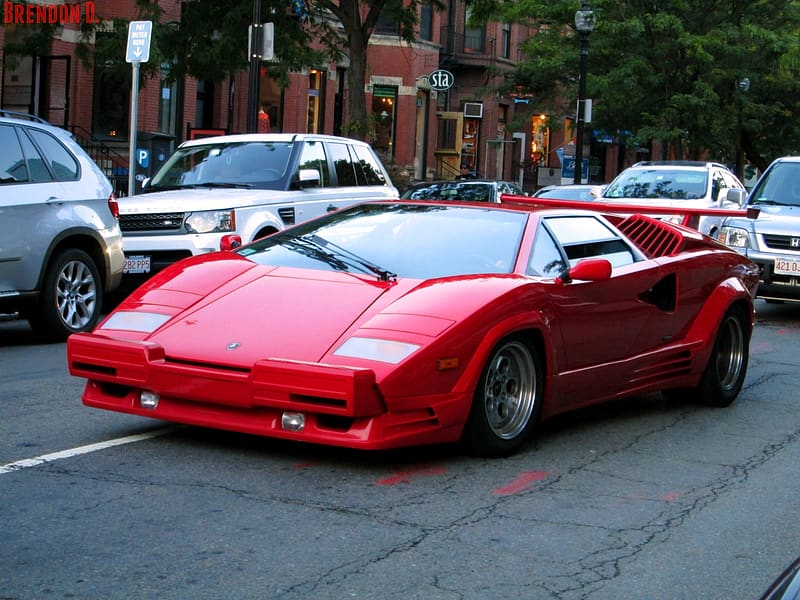 IconLamborghini Countach1,983 built
Founded1963Sant’Agata Bolognese
Models2524 spotted · 4 in production
Spots23,62526,975 photos
Spotters3,685in 144 places
Most spottedGallardo8,230 spots
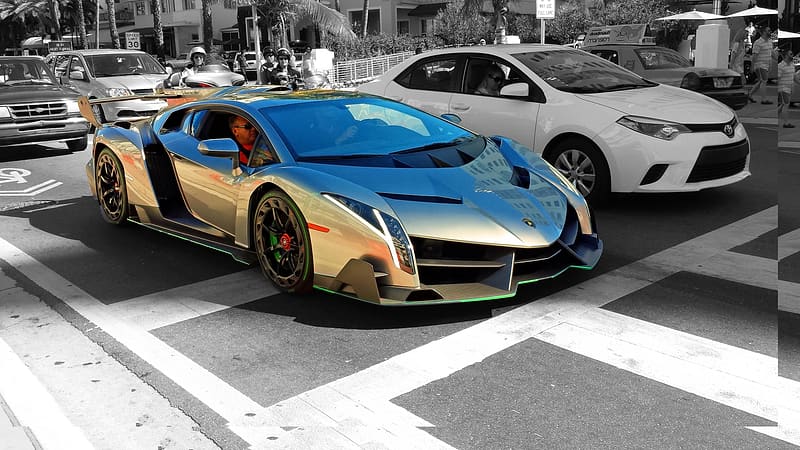
Rarest spottedVeneno12 built · 7 spots
The lineup
Every Lamborghini on ExoticSpotter, newest first. Each opens its own guide, with every variant and how to spot it.
In production
4 models · 892 spots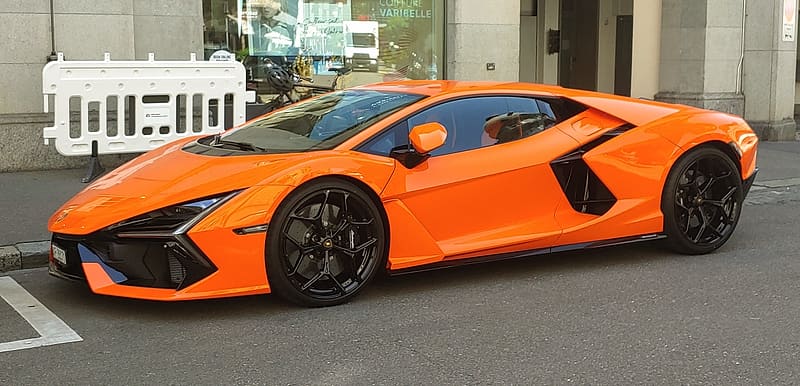
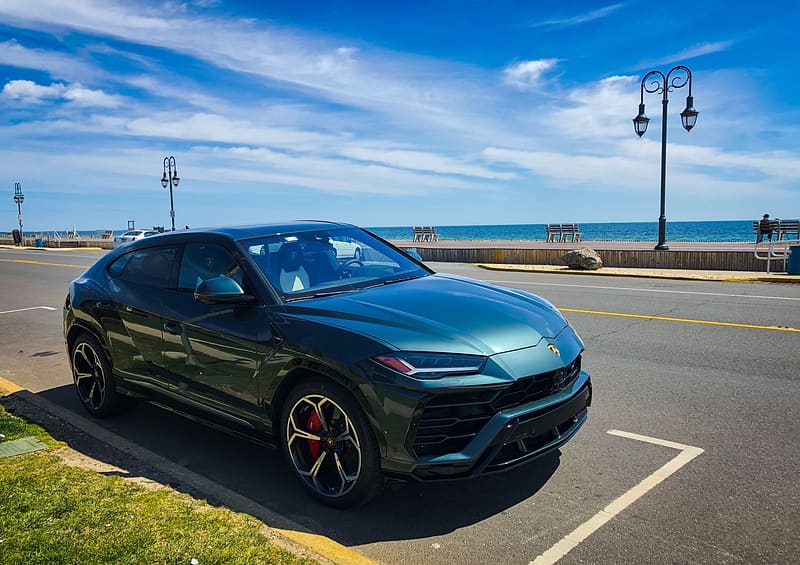
The 2020s
3 models · 16 spots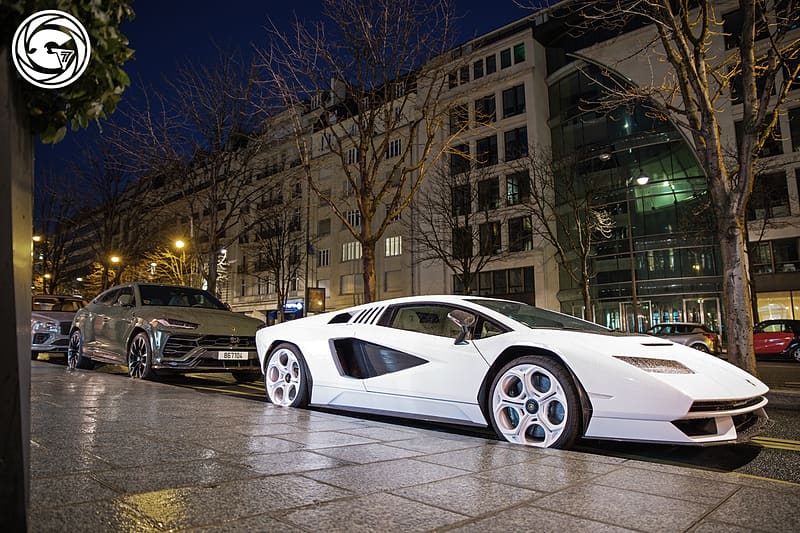 Very rare
Countach LPI 800-4
2021–2022 · 112 built
The 2021 revival of the Countach name: a 112-car hybrid V12 tribute built on the Aventador and Sián.
 Legendary
 Legendary
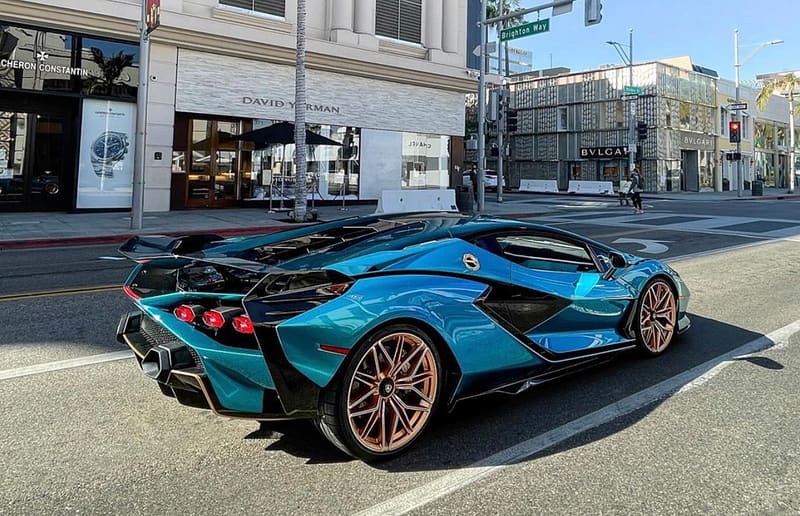
Essenza SCV12
2020 · 40 built
A track-only, 819-hp V12 Lamborghini kept in a factory hangar, with racing coaching for its 40 owners.
The 2010s
5 models · 8,640 spots Legendary
Centenario
2016–2017 · 40 built · 2 variants
Lamborghini’s 100th-birthday tribute to Ferruccio, built on the Aventador SV in 20 coupes and 20 roadsters.
 Common
Huracán
2014–2024 · 34,881 built · 35 variants
The Gallardo’s successor and Lamborghini’s best-selling supercar: a naturally aspirated V10 in a dozen guises.
 Legendary
 Legendary
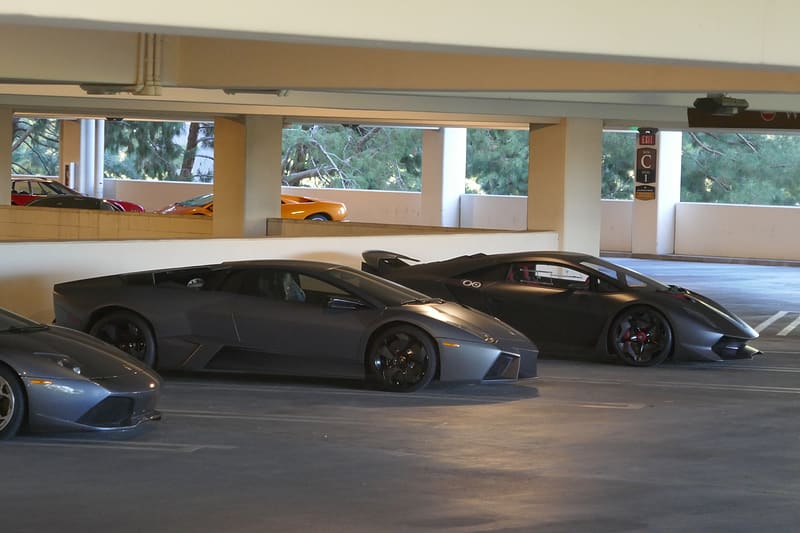
Sesto Elemento
2012 · 20 built
A track-only, 999-kg carbon showcase named for carbon, the sixth element: 80% of it is carbon fiber.
 Common
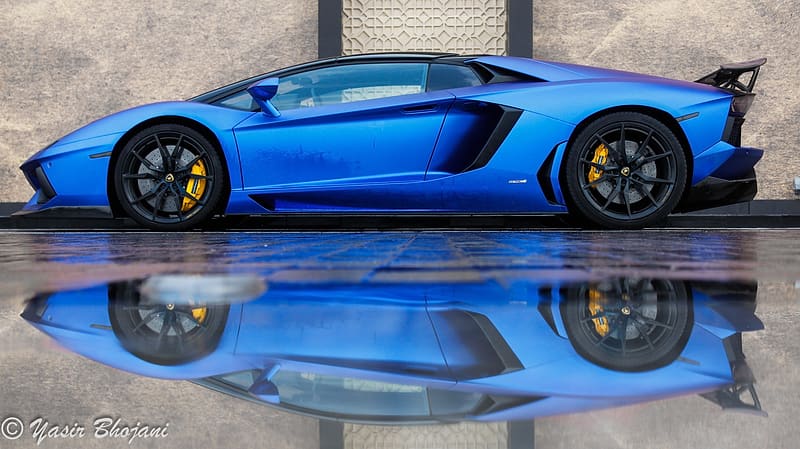
Aventador
2011–2022 · 11,831 built · 30 variants
Lamborghini’s carbon-tub V12 flagship and the last of its pure, non-hybrid V12s.
The 2000s
3 models · 12,392 spots Legendary
 Common
Gallardo
2003–2013 · 14,022 built · 49 variants
The “baby Lambo” that made Lamborghini a volume maker: a V10, all-wheel-drive supercar built under Audi ownership.
 Uncommon
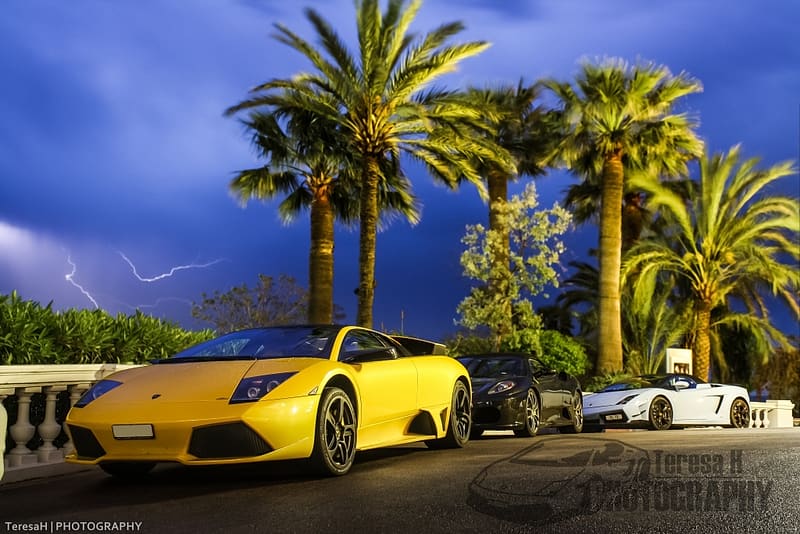
Murciélago
2001–2010 · 4,099 built · 17 variants
The first Lamborghini of the Audi era, a V12 flagship that bridged the Diablo and the Aventador.
The 1990s
1 model · 1,071 spots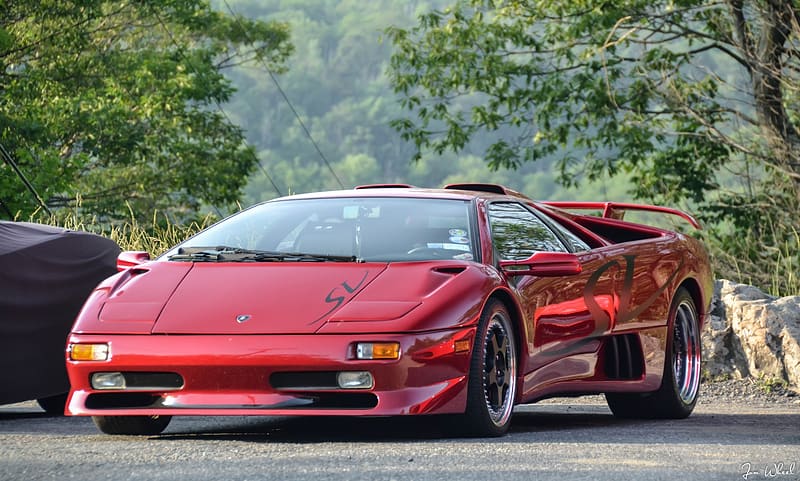
The 1980s
2 models · 76 spots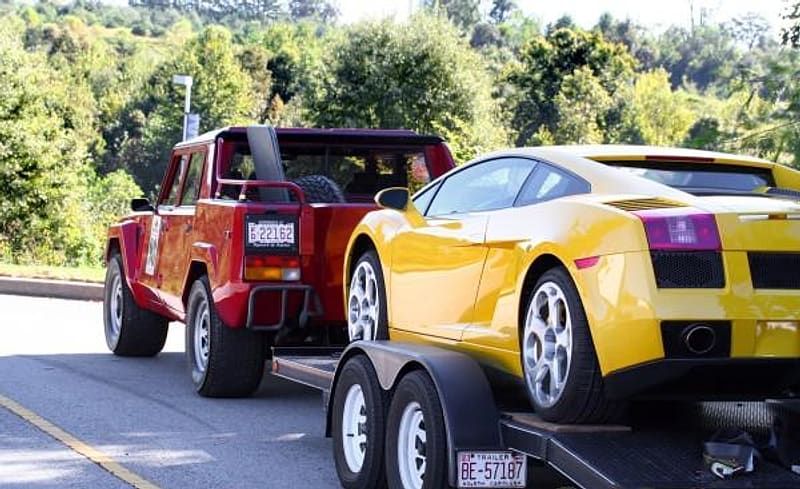
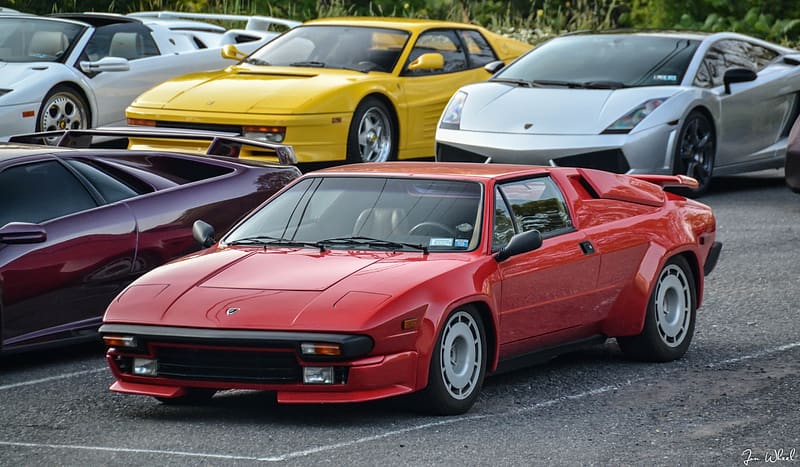
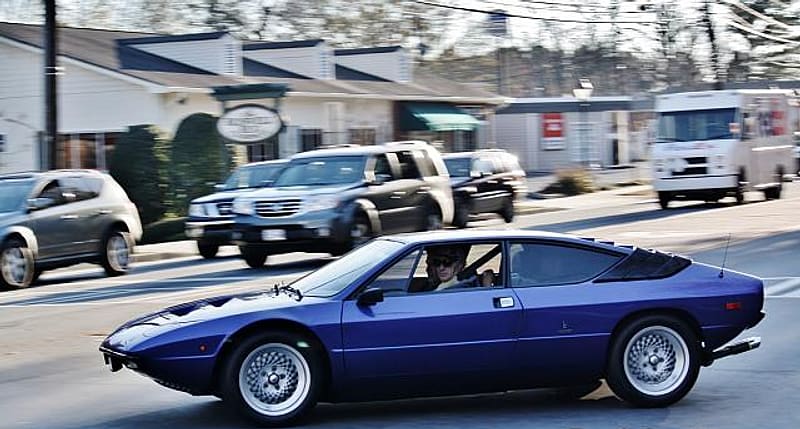

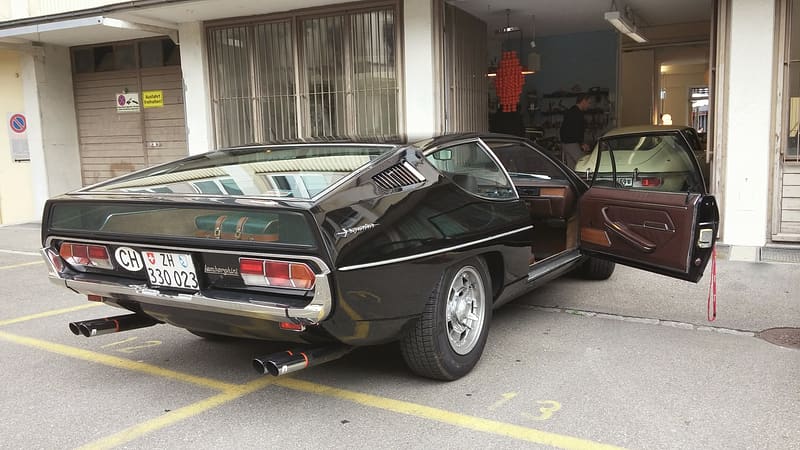
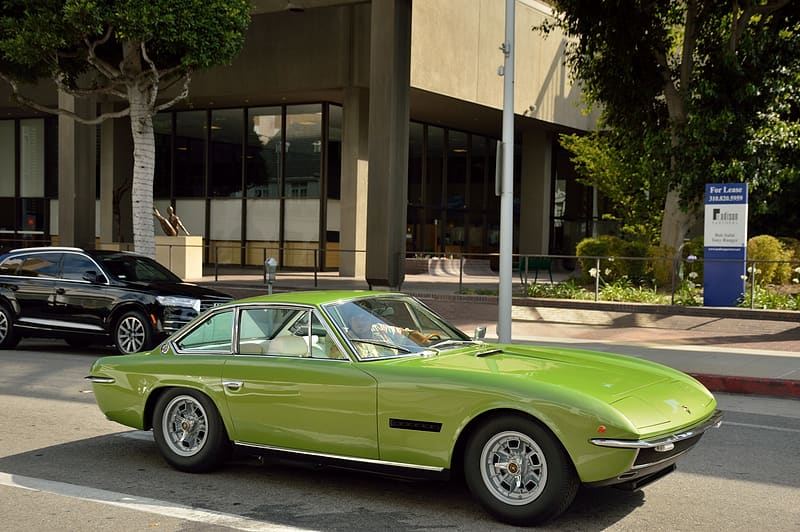
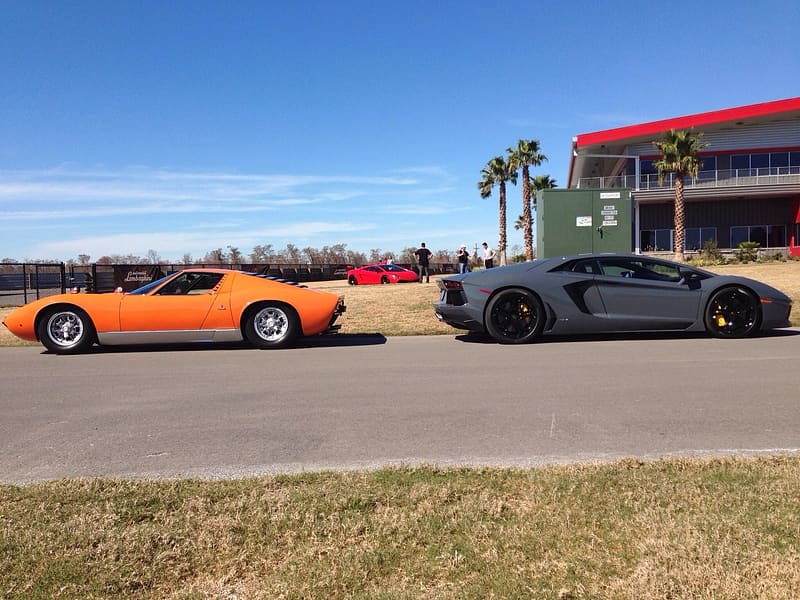
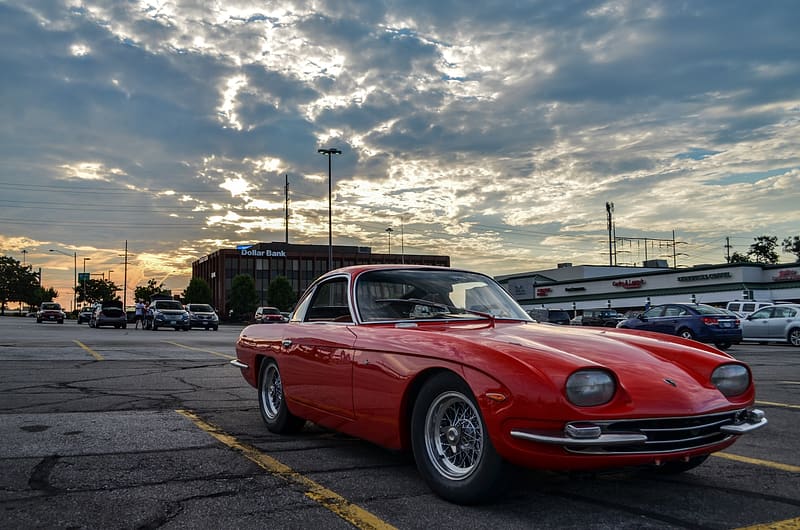
Holy grails
The rarest Lamborghinis our spotters have found: fewer than 500 built.
Spotting a Lamborghini
Most Lamborghini names come from Spanish fighting bulls. Ferruccio chose a raging bull as his emblem after visiting the Seville ranch of the bull breeder Don Eduardo Miura in 1962, and the Miura, Islero, Murciélago, Gallardo, Aventador and Revuelto are all named for bulls or bull breeds. The best-known exception is the Countach, named for contacc, a Piedmontese exclamation. The LM002 (LM for Lamborghini Militaire) and the Silhouette were other exceptions.
LP stands for Longitudinale Posteriore: the engine sits lengthwise behind the cabin. On the Countach the number gave engine size, so the LP 400 had a 4.0-liter V12. The code came back with the Murciélago LP 640 of 2005, and on later cars the number is power in metric horsepower and the digit after the dash is the number of driven wheels, so a Huracán LP 610-4 has 610 PS (602 hp) and all-wheel drive.
Europe, the Middle East and Africa take the most new Lamborghinis: 4,650 of the 10,747 delivered in 2025, against 3,347 in the Americas and 2,750 in Asia-Pacific.
Countach look-alikes have been built on the mid-engined Pontiac Fiero. Every real Countach has a V12 mounted lengthwise behind the seats.