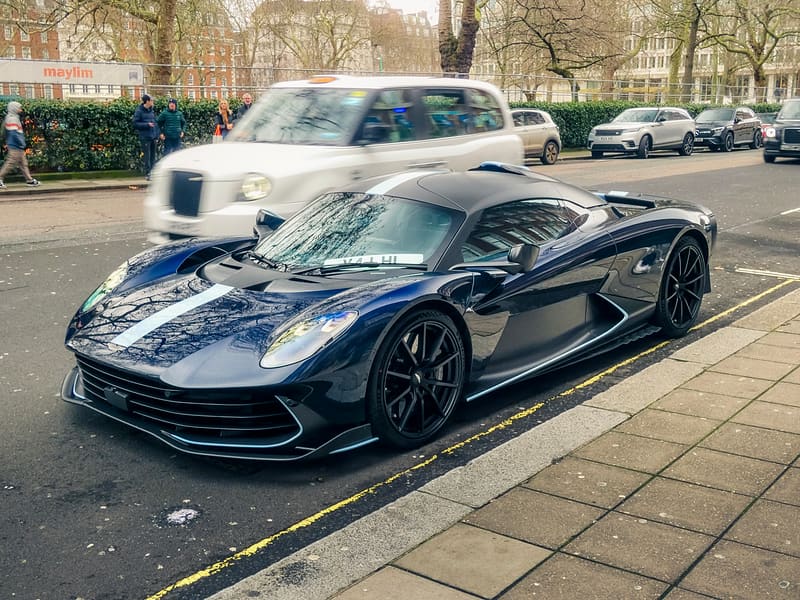
 Rare

Aston Martin
The British maker of luxury grand tourers and sports cars, known for its DB series, its 1959 Le Mans win and James Bond’s DB5.
 GaydonSince 191327 models5 in production
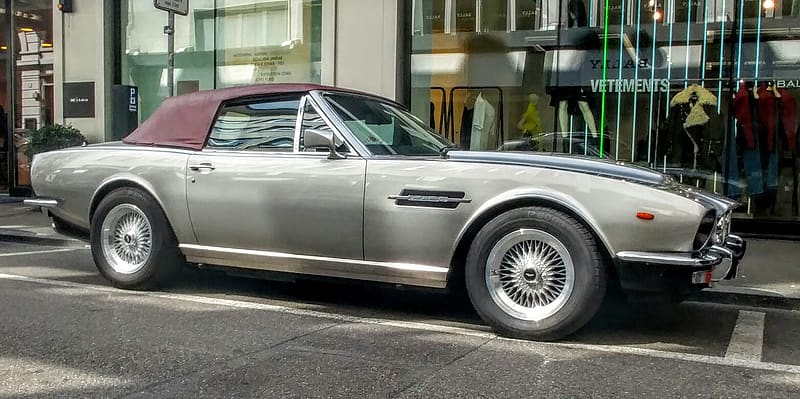 IconAston Martin Virage1,799 built
Founded1913Gaydon
Models2726 spotted · 5 in production
Spots9,15310,675 photos
Spotters1,885in 126 places
Most spottedVantage2,761 spots
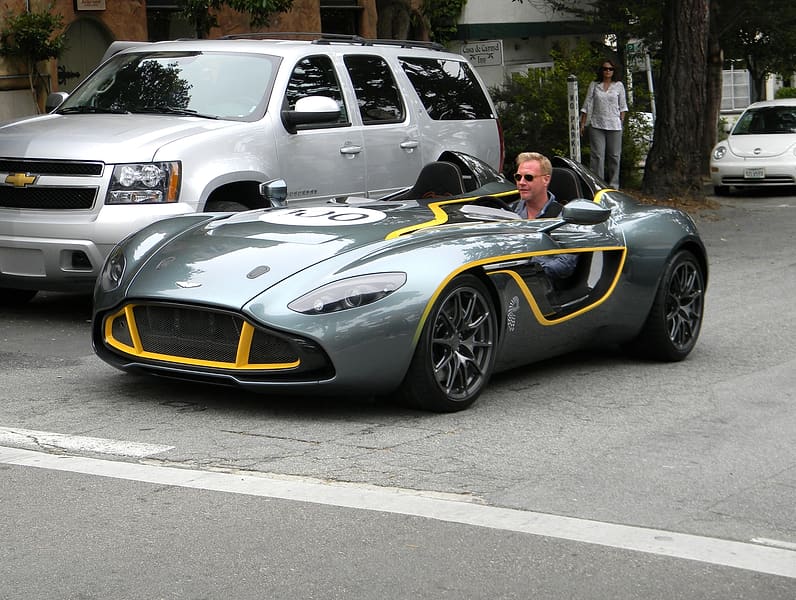
Rarest spottedCC1002 built · 6 spots
The lineup
Every Aston Martin on ExoticSpotter, newest first. Each opens its own guide, with every variant and how to spot it.
In production
5 models · 4,106 spotsRare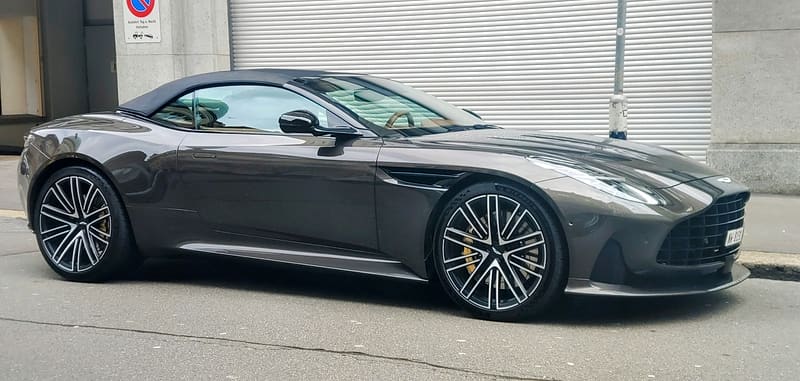 Rare
 Common
 Common
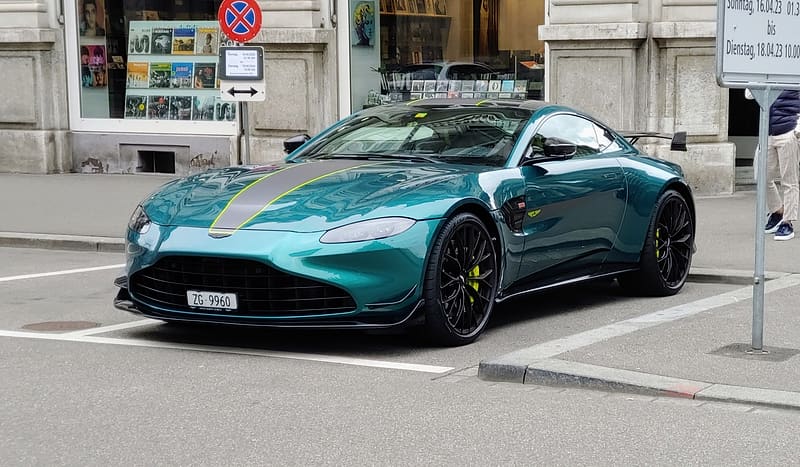
Vantage
2005–Present · 25,478 built · 49 variants
Aston Martin’s compact sports car, the brand’s volume seller and its route into racing.
 Uncommon
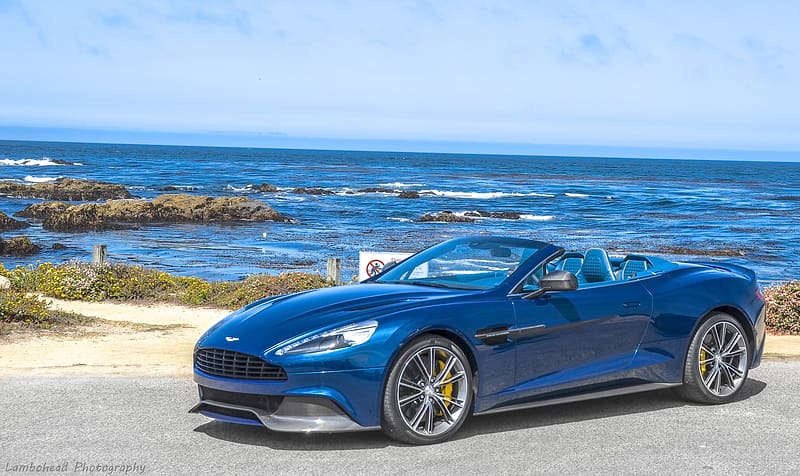
Vanquish
2001–now · 2,578 built · 12 variants
Aston Martin’s V12 flagship name: Ian Callum’s 2001 Bond car, the carbon-bodied 2012 car, and the 824-hp twin-turbo of 2024.
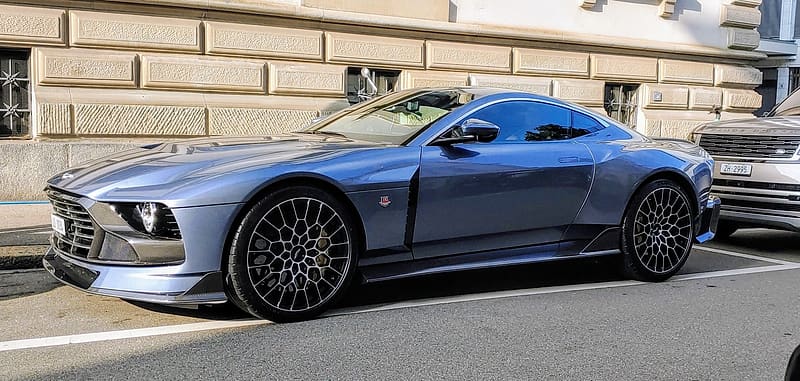
The 2020s
4 models · 14 spots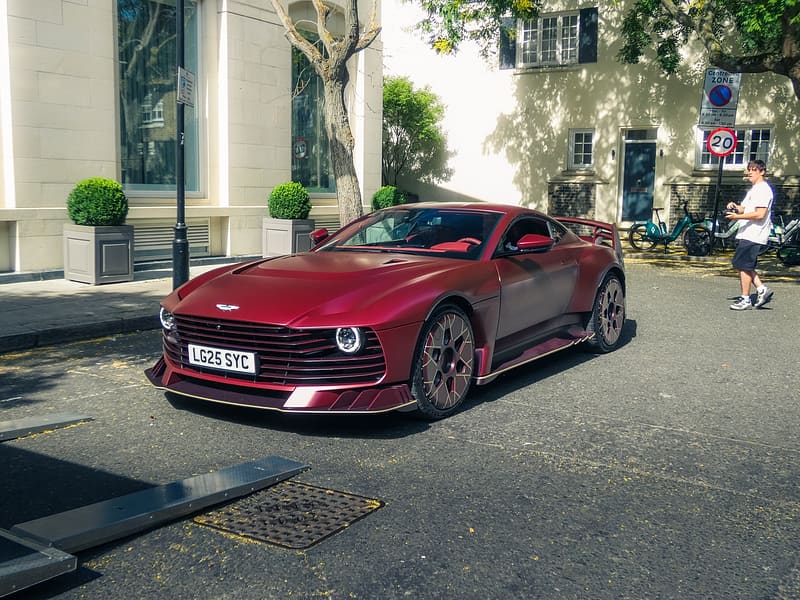
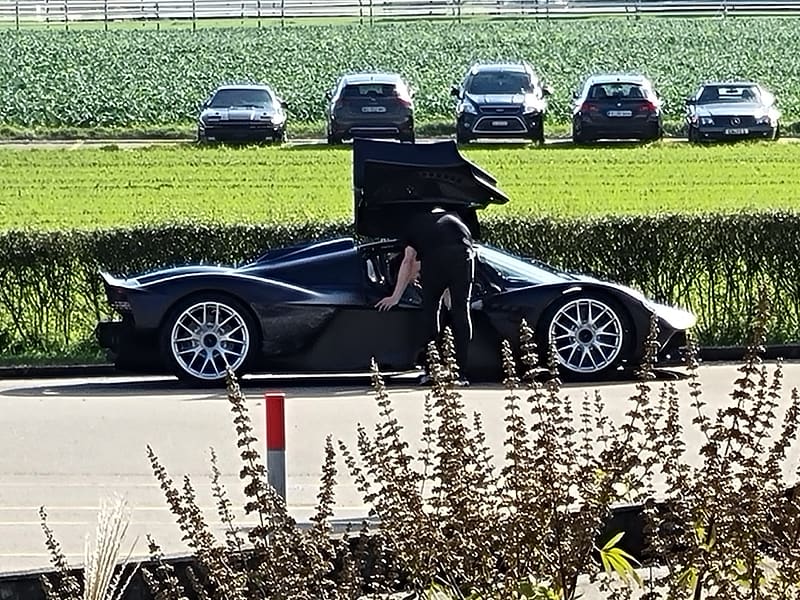
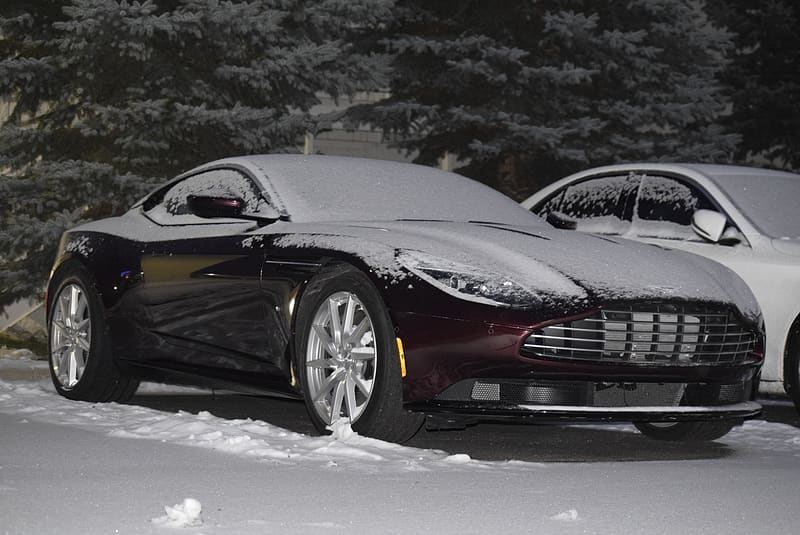
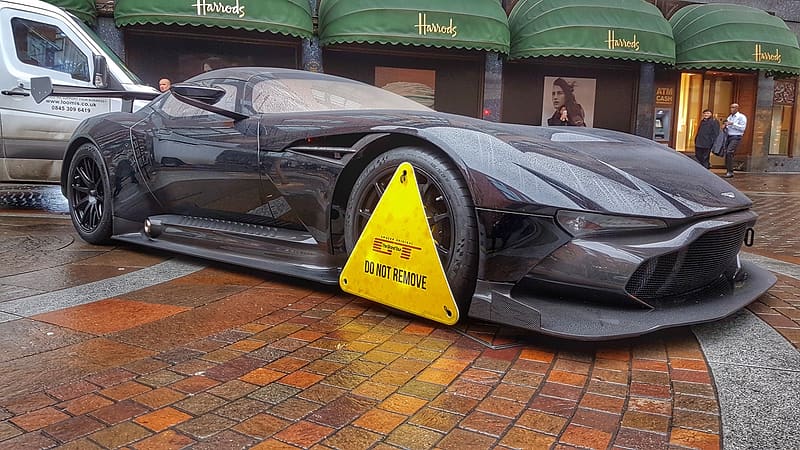
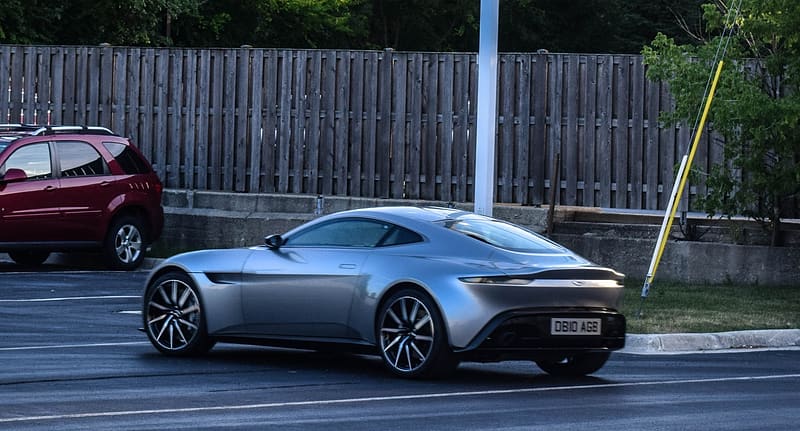
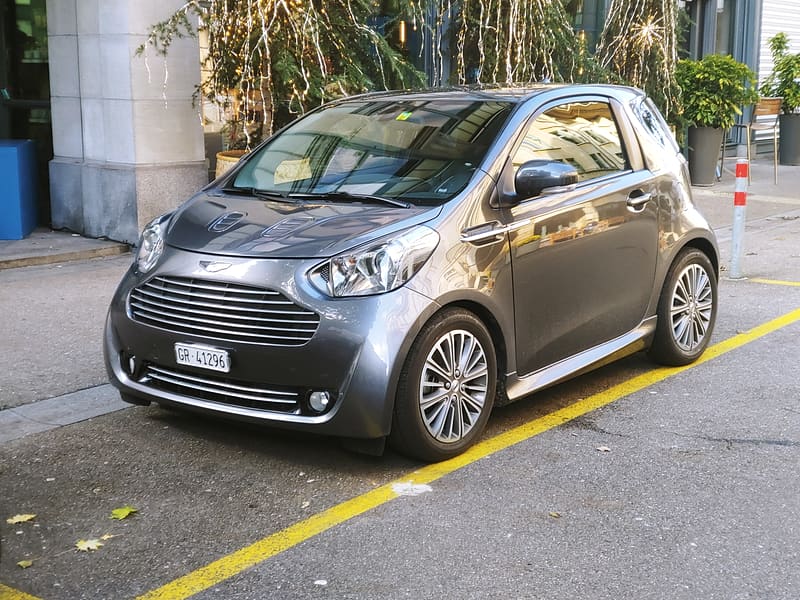
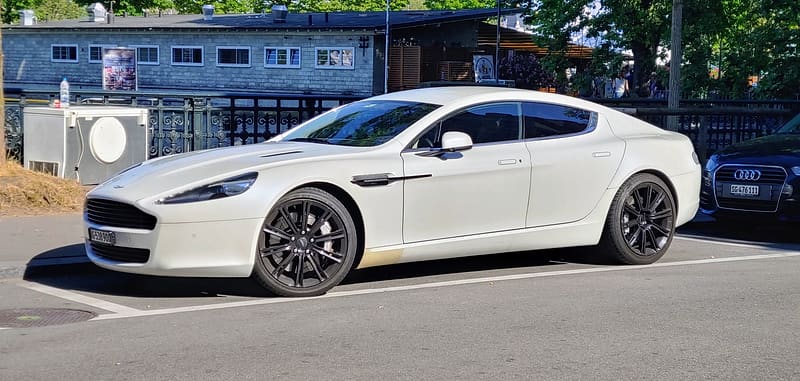
The 2000s
3 models · 2,012 spots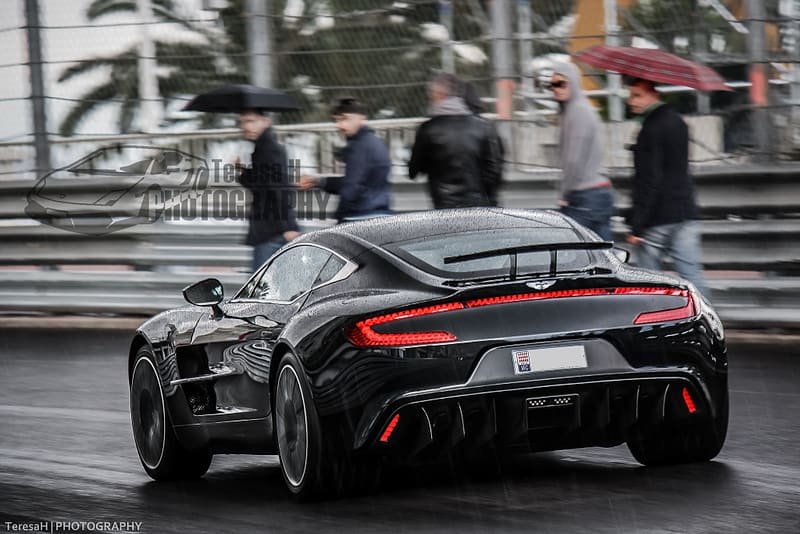
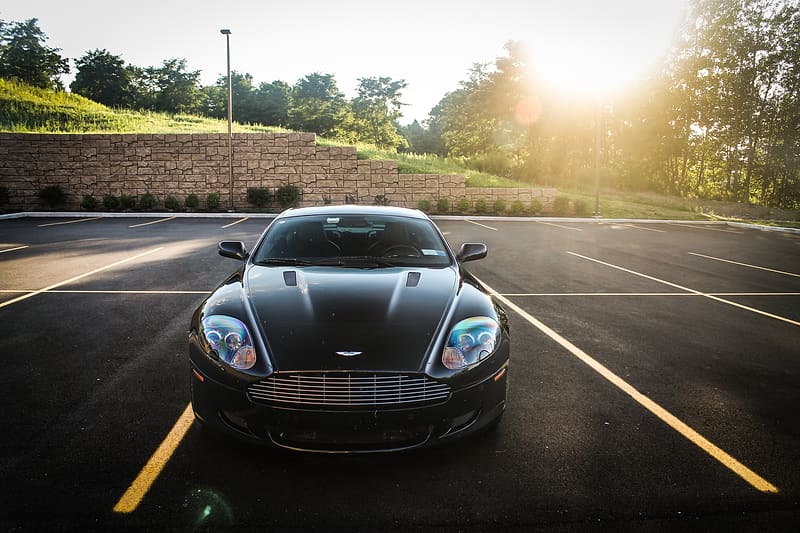
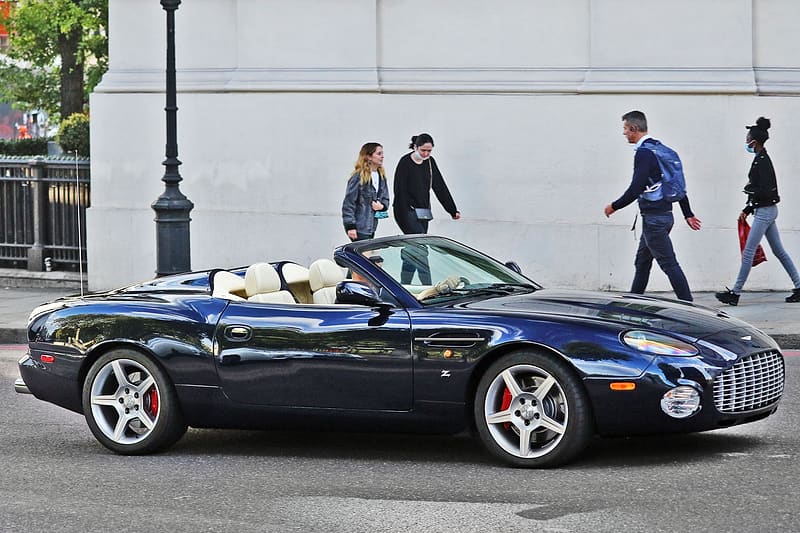
The 1990s
1 model · 370 spots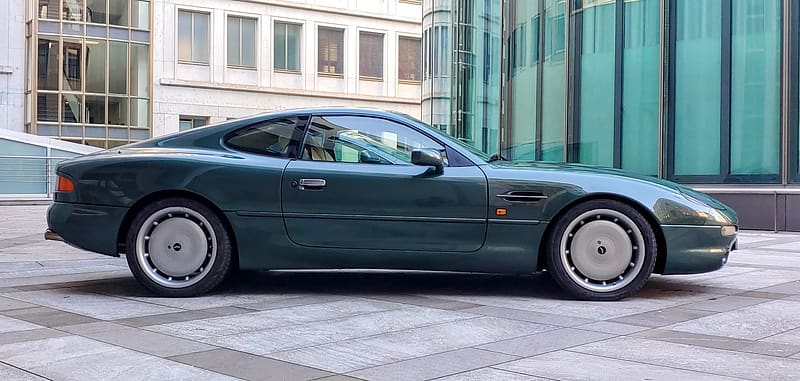
The 1980s
1 model · 177 spotsThe 1970s
1 model · 41 spots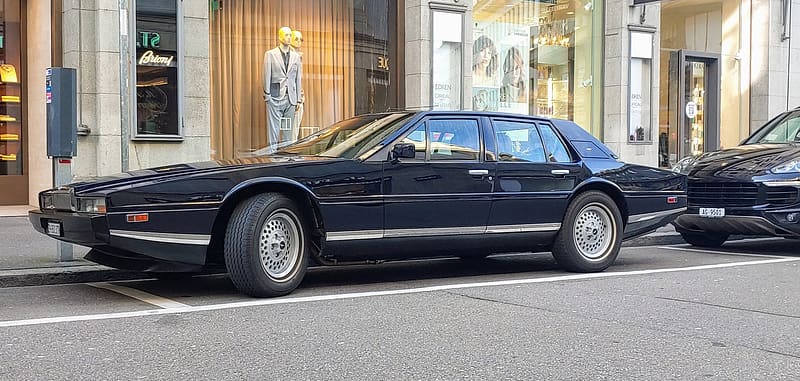
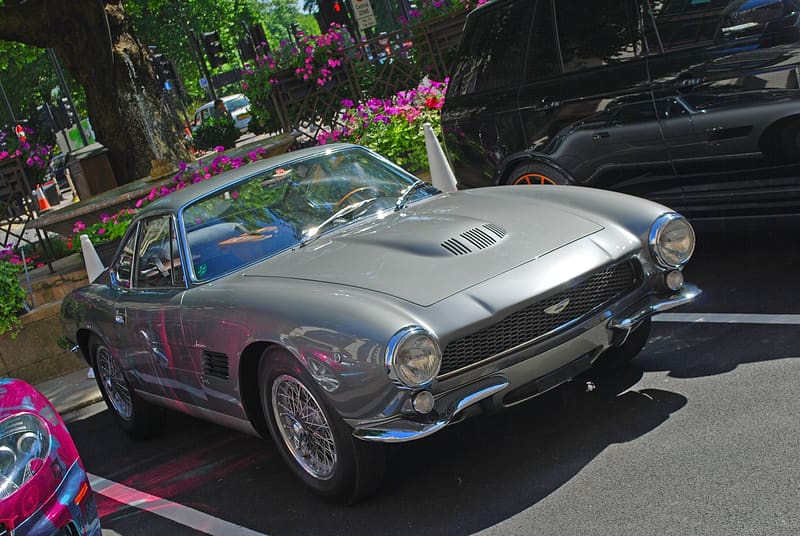
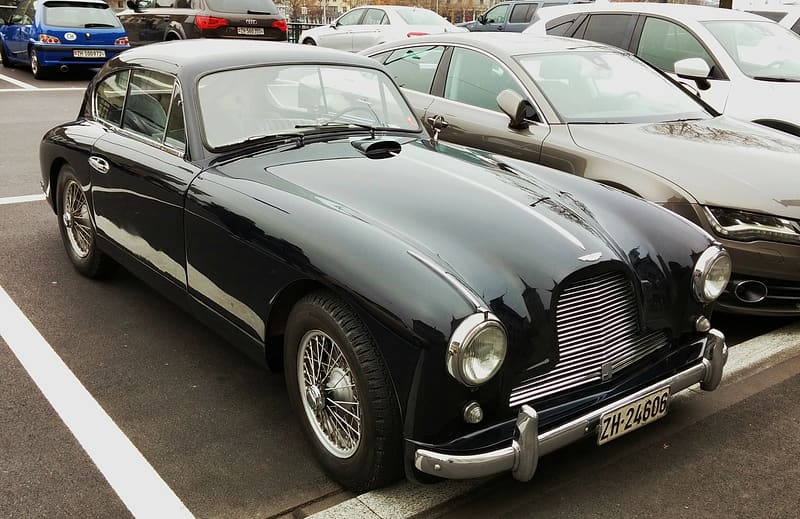
Holy grails
The rarest Aston Martins our spotters have found: fewer than 500 built.
Spotting an Aston Martin
Model names follow old patterns. “DB” stands for Sir David Brown, who owned the company from 1947 to 1972. Volante means a convertible, and Vantage was long the name for the high-performance version of a model before it became a model of its own in 2005.
Many Aston names start with V, a tradition the Valkyrie and Valhalla were named to continue, so read the full badge: a Vantage, Virage, Vanquish, Valkyrie and Valhalla are very different cars.
US-market V8 Astons from 1980 on were fitted with big 5 mph safety bumpers front and rear, and many have since been converted back to the slim chrome European bumpers.
The DB12 of 2023 was the first Aston Martin to wear the company’s new logo, a quick way to date a car from the front.