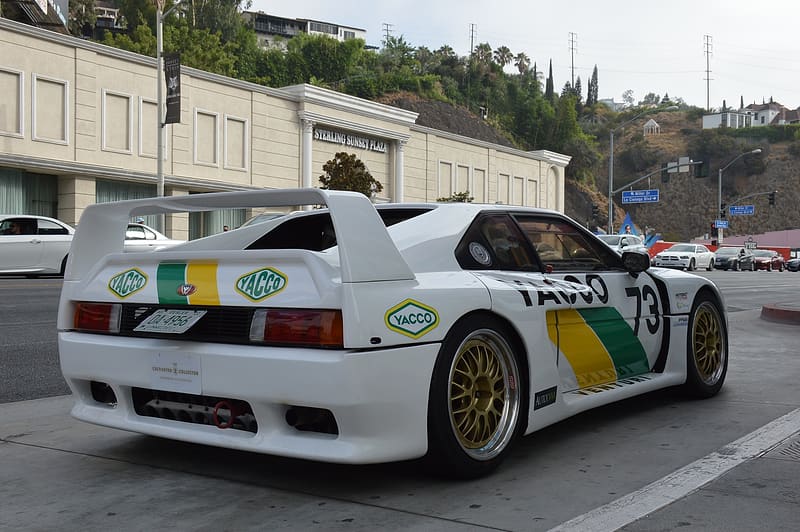
 Legendary
Venturi
The French maker of mid-engined turbo V6 grand tourers such as the Atlantique and 400 GT, now based in Monaco and focused on electric vehicles.
 MonacoSince 19843 models0 in production
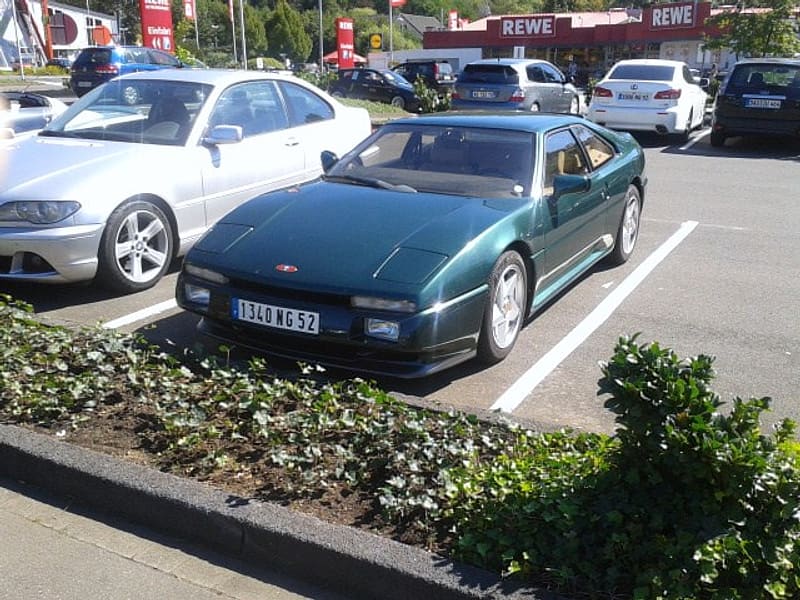 IconVenturi Atlantique 300
Founded1984Monaco
Models33 spotted · 0 in production
Spots811 photos
Spotters7in 5 places
Most spottedAtlantique 3004 spots
Rarest spotted40087 built · 3 spots
The lineup
Every Venturi on ExoticSpotter, newest first. Each opens its own guide, with every variant and how to spot it.
The 1990s
2 models · 7 spotsLegendaryLegendaryAtlantique 300
1991–2000 · 2 variants
France’s mid-engined GT of the 1990s, with PRV and later Renault V6 power.
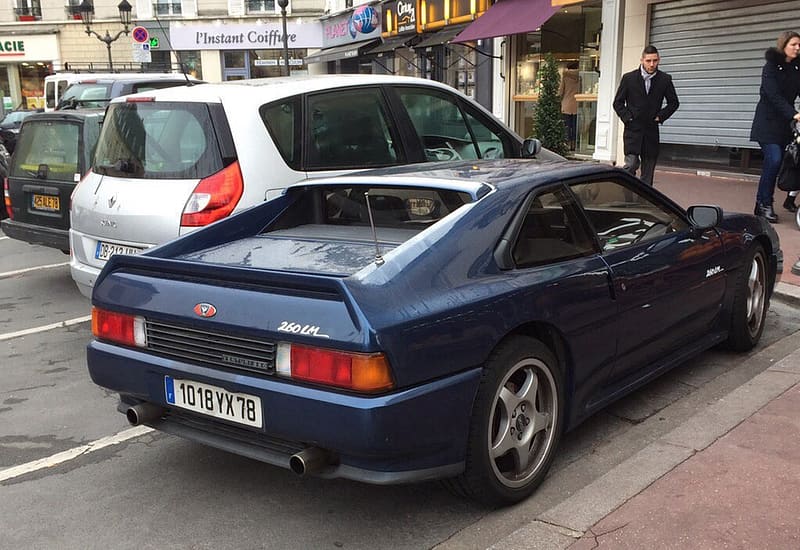
Spotting a Venturi
Model numbers roughly follow engine power in PS: the 260 has 260 PS (256 hp) and the 400 GT 408 PS (402 hp). Early cars carry the MVS name.
The 400 GT is often called “the French F40” for its resemblance to the Ferrari F40.
Venturis are rare even in France: no more than about 750 were built from 1987 to 2000.