 Uncommon
Tasmin 280iStandard
1980–1987 · 160 hp
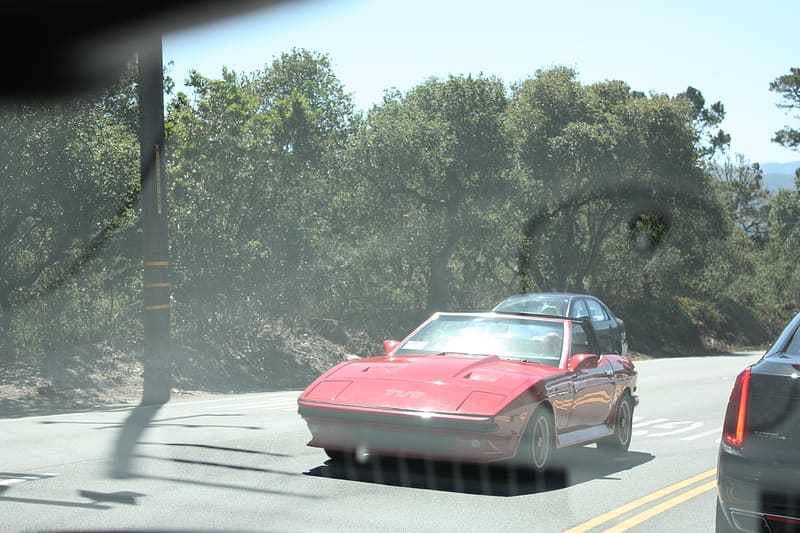
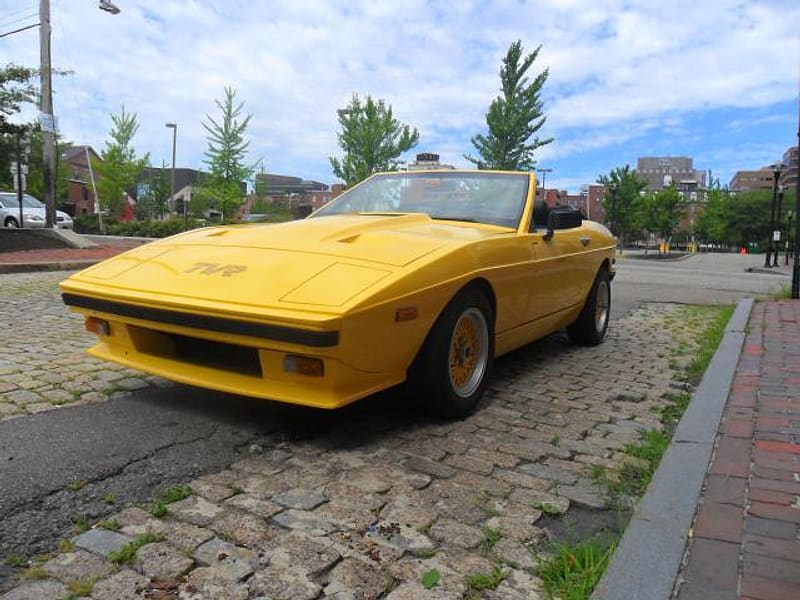
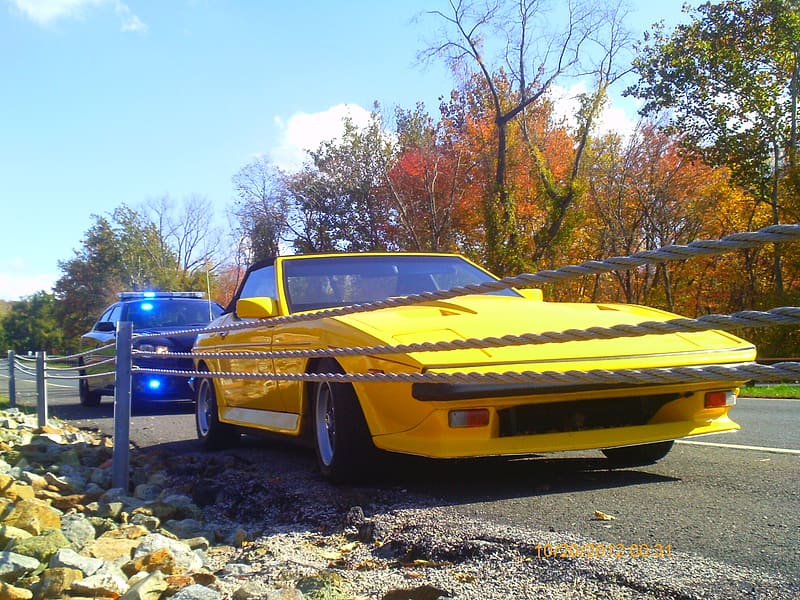
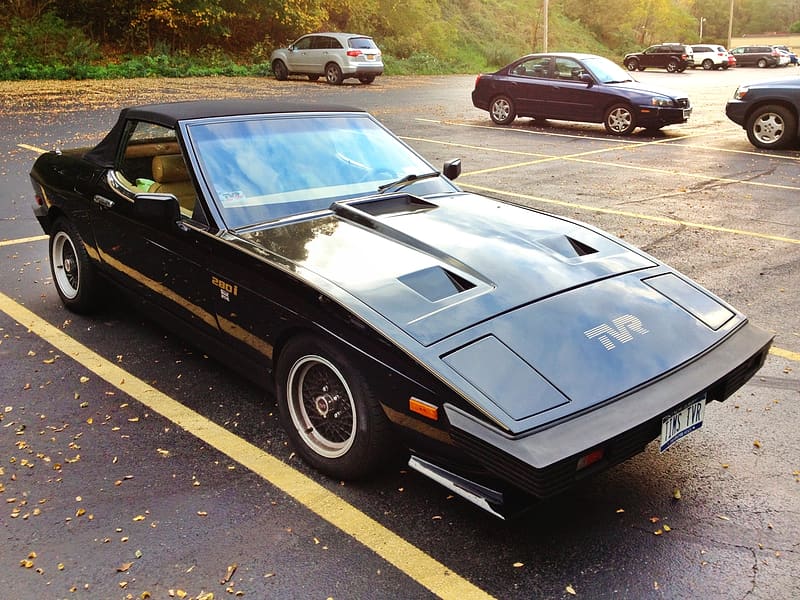
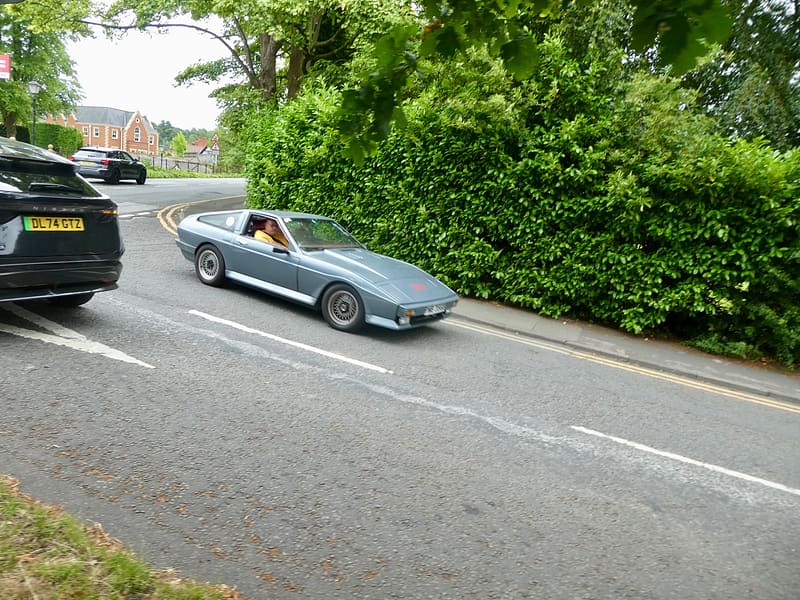
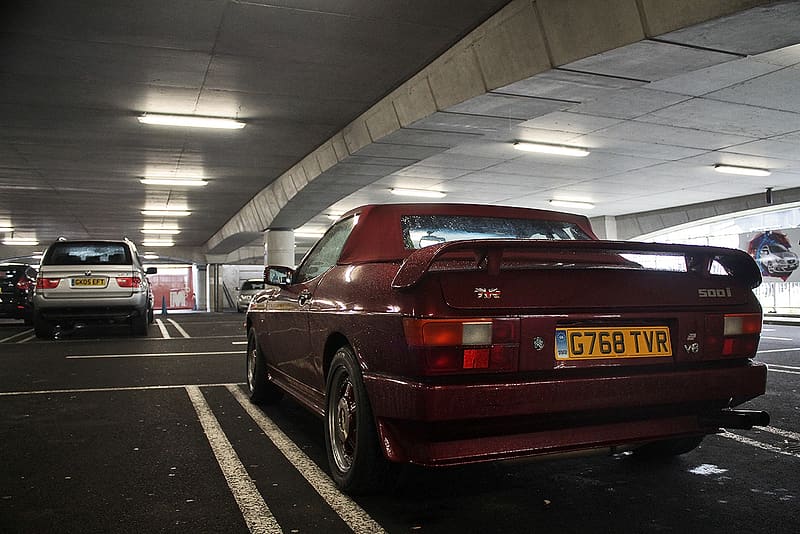
The first wedge and the standard car: a two-seat fixed-head coupe with Ford’s 2.8-liter V6. Called Tasmin until 1984, then 280i, though badges vary: Tasmin, Tasmin 280i or just 280i. The Series 2 of 1981 has three more inches behind the rear axle and a tilted glass tail panel. It was sold in the US until 1987.
How to spot one
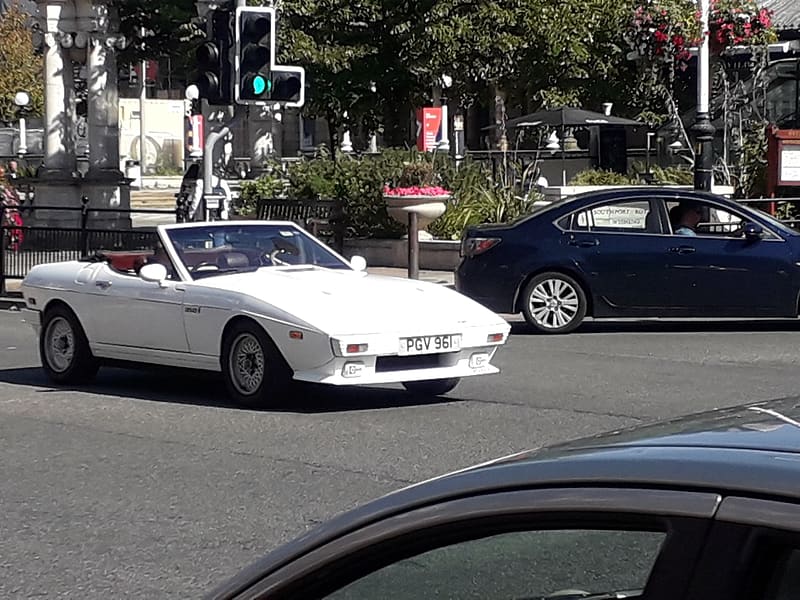
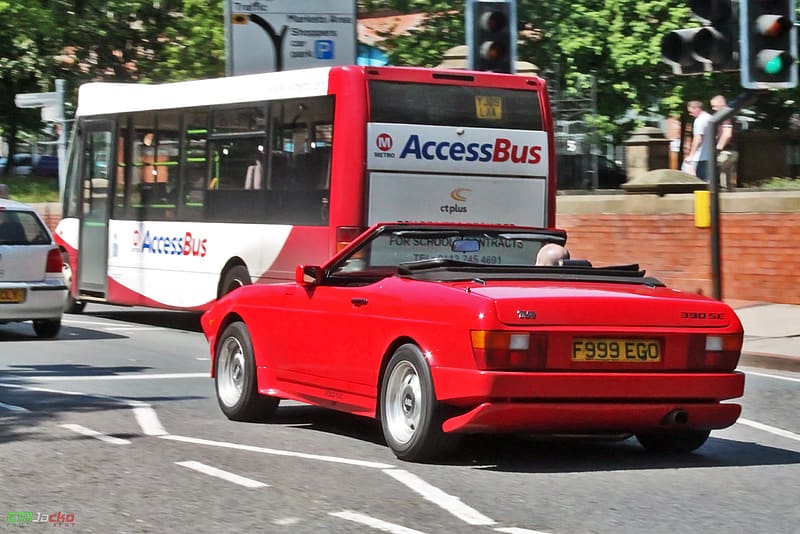
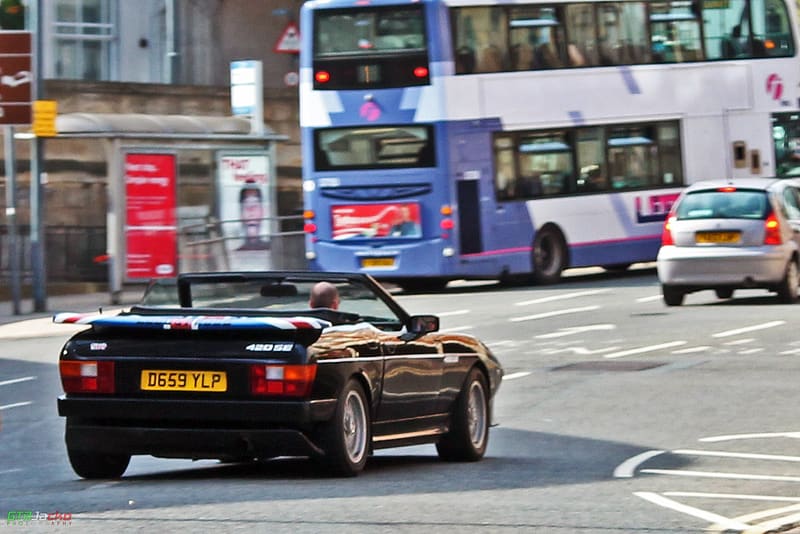
2 spots · PhotosA sharp, low wedge: a long flat hood ending in a thin nose with pop-up headlights, a steeply raked windshield and straight flanks with a crease along the side. A fixed roof with a long, flat glass hatch behind the doors and a short, squared-off tail; two seats. The early Series 1 has an upright glass panel across the tail.