 Common

Plymouth
Chrysler’s low-priced brand from 1928 to 2001, for decades one of America’s best sellers, remembered by enthusiasts for the Road Runner, ’Cuda and Prowler.
 DetroitSince 19281 model0 in productionMost spottedPlymouth Prowler11,702 built
Founded1928Detroit
Models10 in production
Spots243282 photos
Spotters161in 57 places
Most spottedProwler243 spots
The lineup
Every Plymouth on ExoticSpotter, newest first. Each opens its own guide, with every variant and how to spot it.
The 1990s
1 model · 243 spotsCommonSpotting a Plymouth
The most sought-after Plymouths are the late-1960s and early-1970s performance cars: the GTX, the Road Runner and the ’Cuda, the high-performance version of the Barracuda, whose top engine was the 426 Hemi.
Many Plymouths have Dodge twins: the 1970s Barracuda shared its E-body with the Dodge Challenger but no outer sheet metal, the Reliant was a twin of the Dodge Aries, and the 1982–1989 Gran Fury differed from the Dodge Diplomat mainly in its badges.
Older Plymouths wear the Mayflower ship seen from the bow; in the 1990s Chrysler gave Plymouth a new sailboat logo.
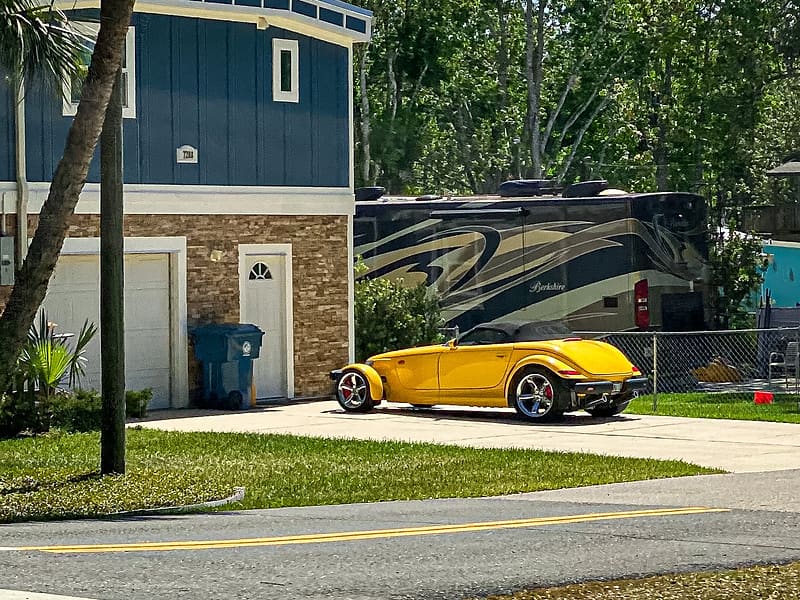
A Prowler can carry either badge: 1997–2000 cars are Plymouths and 2001–2002 cars are Chryslers. Many were bought with the matching factory trailer, styled like the back of the car.