 Common

Lexus
Toyota’s luxury brand, launched in 1989 with the LS 400 and known for quiet, well-built sedans and SUVs, hybrids and the V10 LFA supercar.
 Toyota CitySince 19892 models0 in production
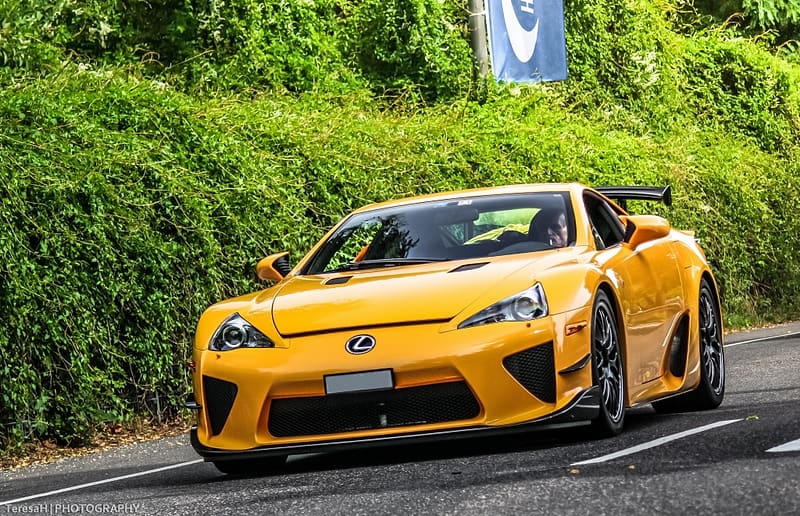 IconLexus LFA500 built
Founded1989Toyota City
Models22 spotted · 0 in production
Spots481548 photos
Spotters195in 59 places
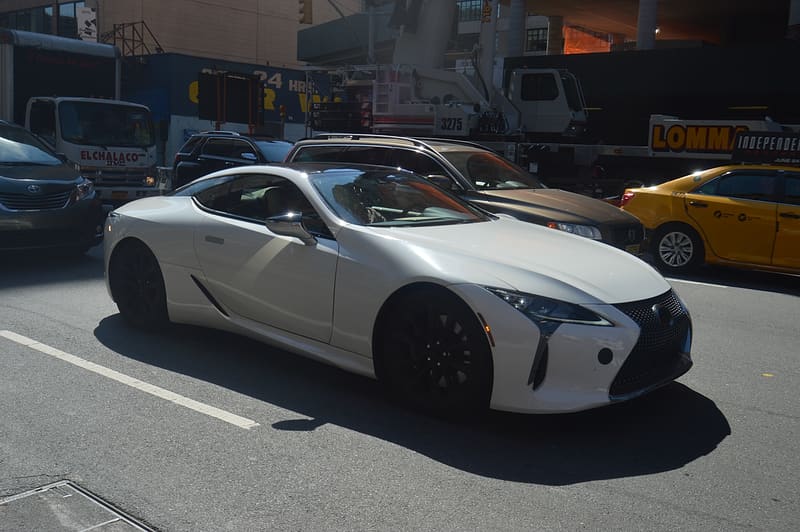
Most spottedLC 500258 spots
The lineup
Every Lexus on ExoticSpotter, newest first. Each opens its own guide, with every variant and how to spot it.
Spotting a Lexus
Lexus names are two letters and three digits. The first letter ranks the model and the second gives the body (LS for luxury sedan); the digits usually show engine size times 100, or an equivalent figure for turbo and hybrid models, and a lowercase h means hybrid.
F models such as the IS F and RC F have no number, and their F badge was inspired by the first corner at Fuji Speedway. F Sport is a trim level, usually cosmetic, not a full F model.
Before 2005 Lexus models were sold in Japan under Toyota names, such as Celsior for the LS, Soarer for the SC and Harrier for the RX, so a Japanese-market import may be a Lexus twin with Toyota badges.