In 1934 the engineer Hans Trunkenpolz opened a fitter’s and car repair shop in Mattighofen, Austria, and later sold DKW motorcycles and Opel cars. His first motorcycle, the R100, went into production in 1953, when the businessman Ernst Kronreif became a major shareholder and the company was registered as Kronreif & Trunkenpolz Mattighofen, the origin of the KTM name. Mopeds, scooters and bicycles followed, and in the 1970s and 1980s KTM also made engines and radiators for European carmakers.
Deep in debt, KTM was taken over by its creditor banks in 1991 and split into four companies. Stefan Pierer took control of the motorcycle business in 1992, and KTM grew with road bikes such as the Duke, orange-liveried motocross machines from 1996, and the purchase of Husaberg, WP Suspension and, in 2013, Husqvarna. Bajaj Auto of India bought a stake in 2007 and in November 2025 completed the purchase of a controlling stake for about $904 million.
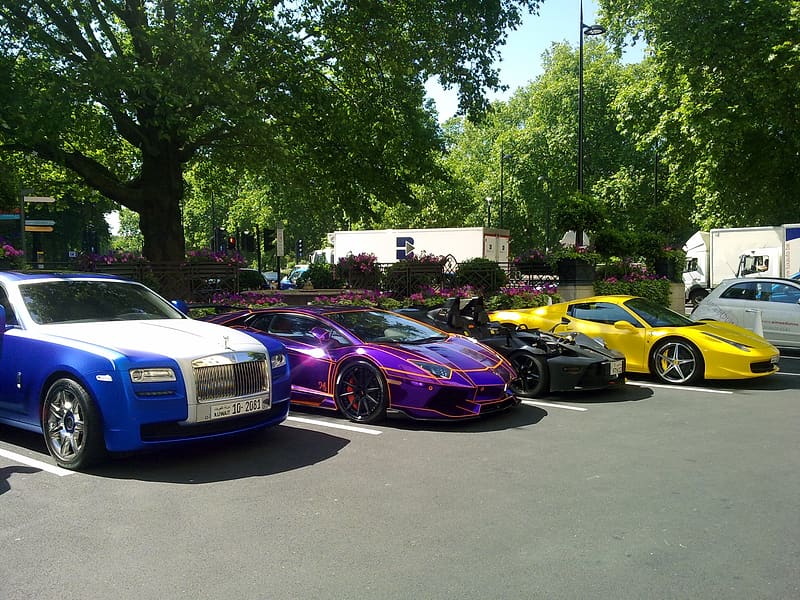
KTM’s first car, the X-Bow (pronounced “crossbow”), was unveiled at the 2008 Geneva Motor Show. Developed with the design studio Kiska, Audi and Dallara, it has an Audi turbo engine and a full carbon-fiber monocoque, a first for a street-legal car. Demand led KTM to plan up to 1,000 a year and build a new plant near Graz, and the R, RR and windshield-equipped GT followed. With Reiter Engineering KTM developed the X-Bow GT4 race car of 2015, the GTX and GT2 racers of 2020 and the road-legal GT-XR, delivered from 2023 with a lift-up canopy and a five-cylinder Audi engine.
The X-Bow has been the car of the Race of Champions since 2008 and won Top Gear’s Sports Car of the Year award that year. In motorcycle racing KTM won the Moto3 world title in 2013 and has entered MotoGP since 2017.
 Rare
 MattighofenSince 19341 model1 in production