Commendatore GT
2018 · 2 built
The electric gullwing 2+2 Isdera’s new owners showed in Beijing in 2018: 805 hp from two motors, two built.

Eberhard Schulz’s tiny workshop near Stuttgart that hand-built Mercedes-powered wedges with gullwing doors and roof periscopes from 1982: roughly 50 cars in all, every one of them rare.
 LeonbergSince 19826 models0 in production
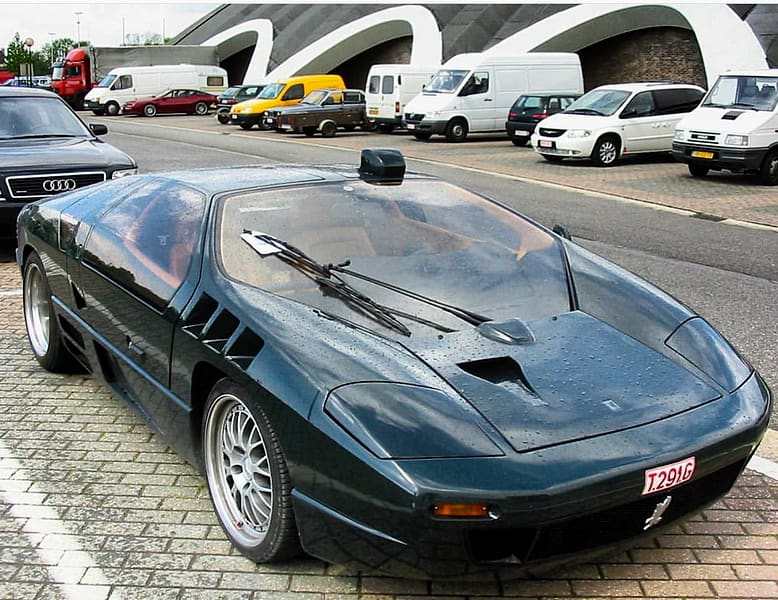 IconIsdera Imperator 108i30 built
Every Isdera on ExoticSpotter, newest first. Each opens its own guide, with every variant and how to spot it.
2018 · 2 built
The electric gullwing 2+2 Isdera’s new owners showed in Beijing in 2018: 805 hp from two motors, two built.
2006 · 1 built
Schulz’s 2006 one-off homage to the 1930s Mercedes Autobahnkurier: 18.5 ft long, with a 5.0-liter V8 driving each axle.
 Legendary
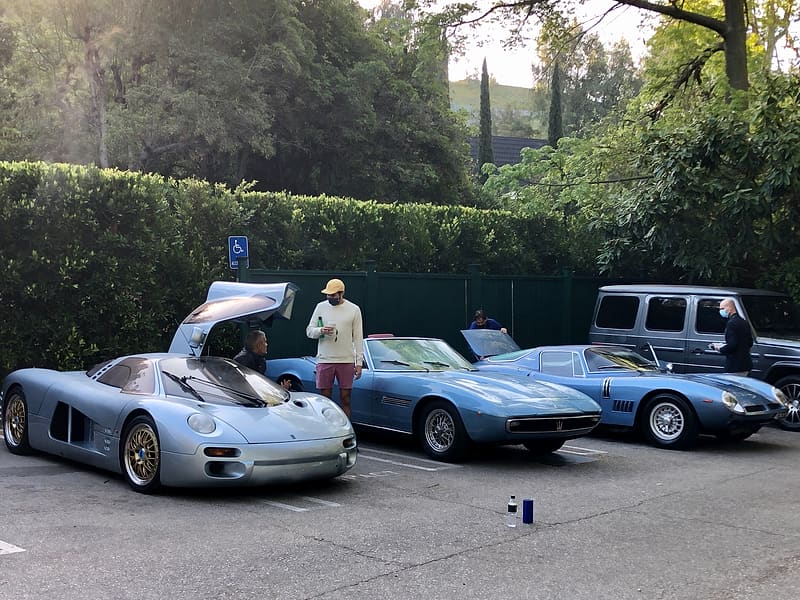
1993 · 1 built · 2 variants
Isdera’s one-off V12 supercar of 1993, named for Enzo Ferrari, later rebuilt as the Silver Arrow C112i and restored in 2016.
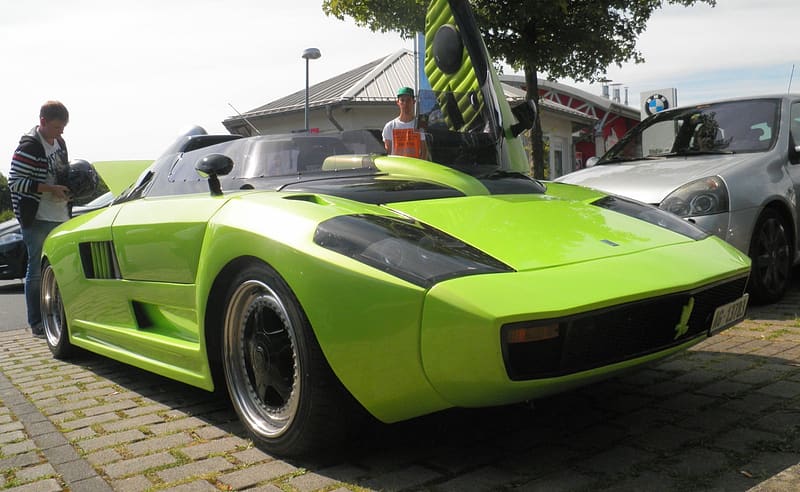
Legendary1984–1993 · 30 built · 2 variants
The CW311 show car made road-legal: a Mercedes V8 gullwing wedge with a periscope on the roof. Thirty were built by hand in 1984–1993.
 Legendary
 Legendary
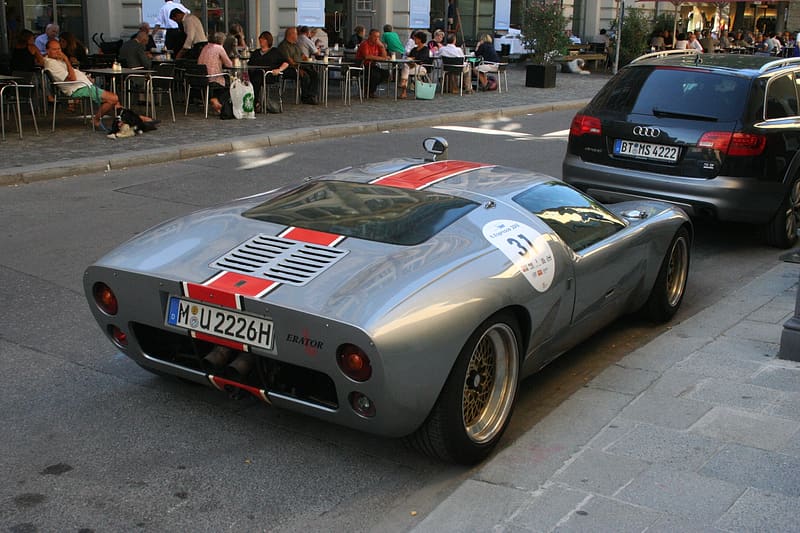
1970 · 1 built
Eberhard Schulz’s home-built GT40-inspired gullwing coupe of 1970, years before he founded Isdera; one car.
The rarest Isderas our spotters have found: fewer than 500 built.
Every Isdera is a hand-built wedge with Mercedes power, and all but the Spyder have gullwing doors. The Imperator and the Commendatore look backward through a periscope: a small pod on the roof instead of door mirrors.
Look for the eagle emblem on the nose. Many Imperators also wear a Mercedes star that their owners fitted, and one Swiss car on this site even has a “C 311” badge on its tail; it is still an Isdera. The only one Mercedes-badged from the start was the white 1978 CW311 show car, with pop-up headlights and side exhausts on the left; where it is now is unclear.
Easy to mistake for the Mercedes C111 experimental cars, which are also gullwing wedges; the C111s have a rounder nose with a Mercedes grille and star, and were Mercedes’ own test cars. The Imperator’s ribbed taillights come from Mercedes sedans of the 1970s and 1980s.