 Legendary

Hispano Suiza
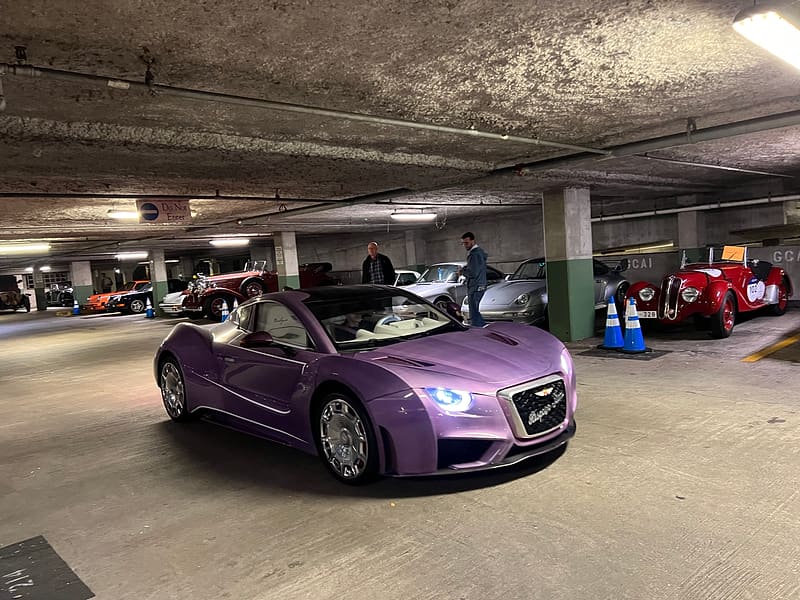
The Spanish maker of luxury cars and aero engines founded in Barcelona in 1904, revived by its founding family in 2019 with the electric Carmen.
 BarcelonaSince 19041 model0 in productionIconHispano Suiza Carmen24 built
Founded1904Barcelona
Models10 in production
Spots33 photos
Spotters2in 1 place
Most spottedCarmen3 spots
Rarest spottedCarmen24 built · 3 spots
The lineup
Every Hispano Suiza on ExoticSpotter, newest first. Each opens its own guide, with every variant and how to spot it.
The 2010s
1 model · 3 spotsLegendarySpotting a Hispano Suiza
The flying stork is the Hispano-Suiza symbol: it was the radiator mascot of the interwar cars, and the Carmen Sagrera’s split rear spoiler is shaped like a stork’s wings as a tribute to it.
Historic Hispano-Suizas came from two countries: the H6B, H6C, J12 and K6 were built by the French division near Paris, while most smaller models, such as the T49, were made in Spain. The H6 was also built in Czechoslovakia and the T49 in Argentina.