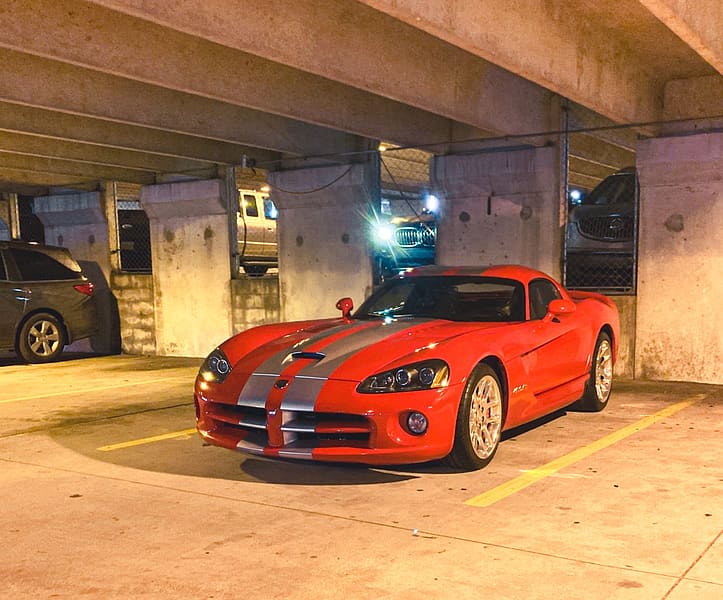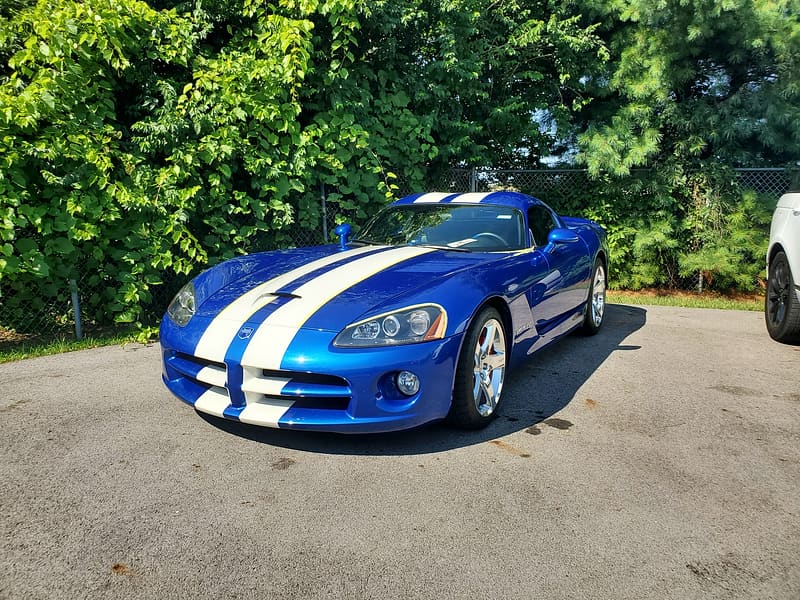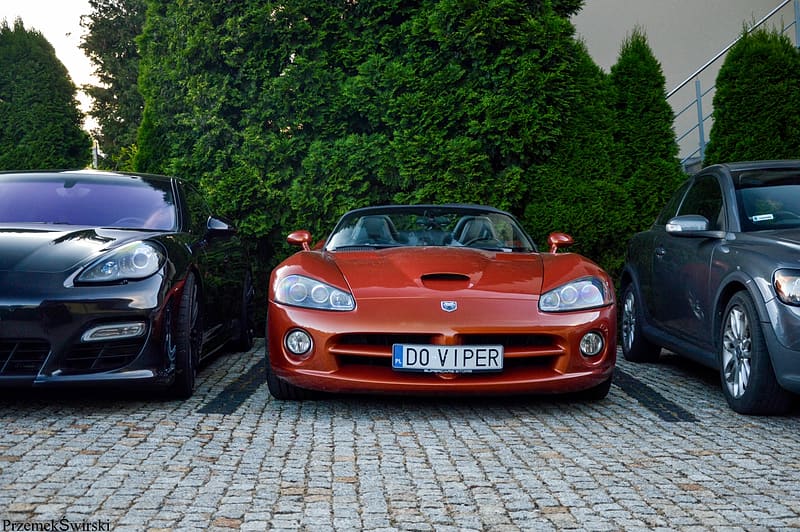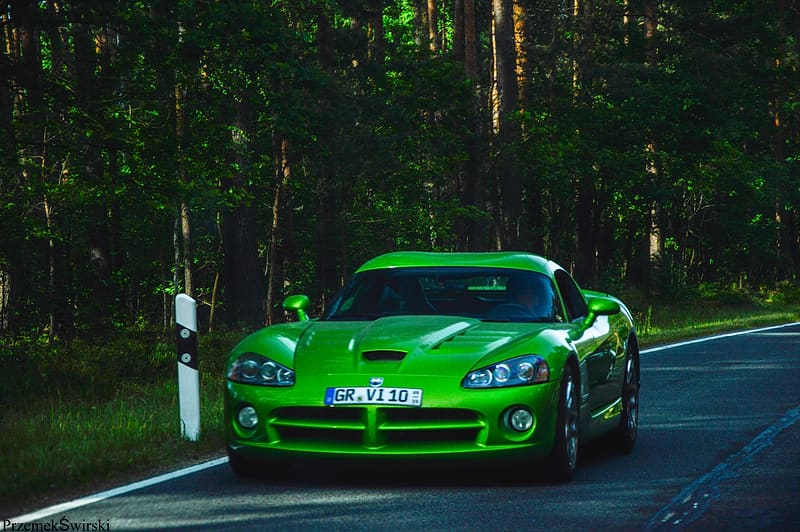
Dodge Viper

America’s raw V10 supercar: no traction control at first, side exhausts and an engine shared in spirit with trucks.

Common· 10 pts1992–2017Out of production31,989 built37 variants
Dodge Viper
Built31,989Approximate
Years1992–2017Out of production
Price new$50k1992 · RT/10, US (the 2013 SRT Viper listed at $97,395)
Value today$63k–$600kRecent prices, by variant
Power450–645 hpBy version
0–60 mph3.3 sQuickest version
Top speed206 mphFastest version

Every Viper

37 variants, by generation: what each one is, and how to tell it apart on the street.

Gen I

SR I · 1 variant · 74 spots
Uncommon

RT/10 Roadster

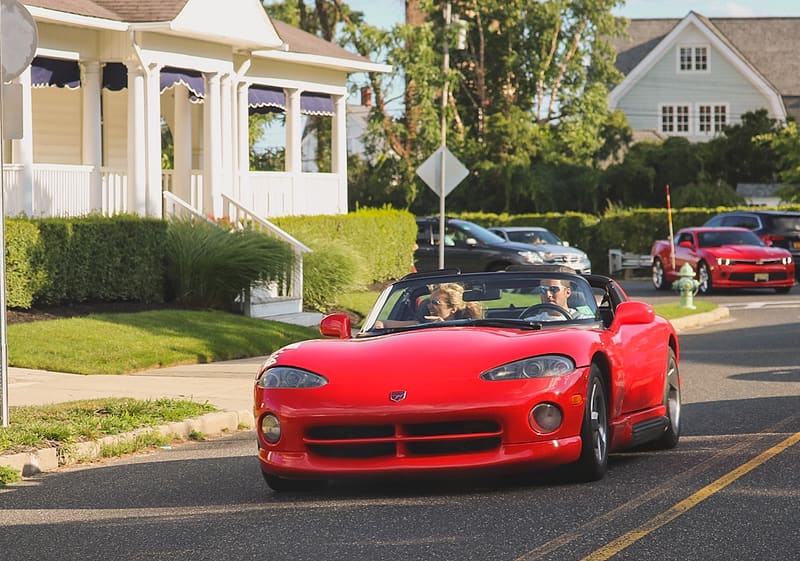
1992–1995 · 5,988 built · 450 hp

The second-generation roadster, from the 1996 model year, carried over most of the first car’s parts. The exhaust moved from the sides to the rear, which raised power to 415 hp; a removable hardtop and sliding glass windows became available, and aluminum suspension parts saved about 60 lb. Later updates brought 450 hp, airbags and power windows, and anti-lock brakes arrived for 2001.

How to spot one

Side exhaust pipes under the doors, no outside door handles and clip-in side curtains instead of glass windows; the roof was a tonneau or a soft top. Seen from the front it looks just like the 1996–2002 RT/10.
74 spots + 120 possible · Photos

Gen II

SR II · 4 variants · 560 spots
Common

RT/10 Roadster

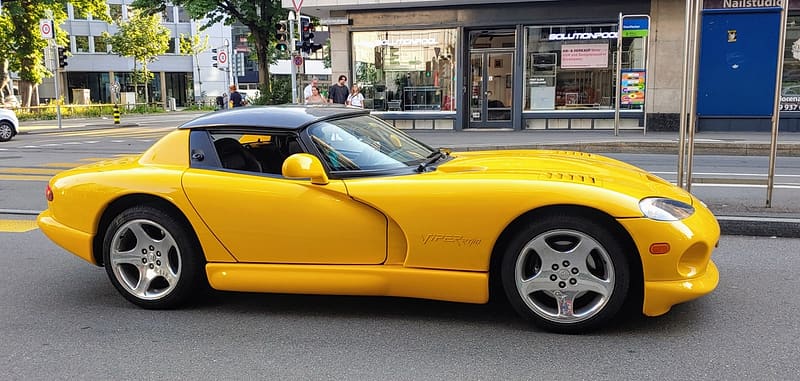
1996–2002 · 450 hp

The second-generation roadster, from the 1996 model year, carried over most of the first car’s parts. The exhaust moved from the sides to the rear, which raised power to 415 hp; a removable hardtop and sliding glass windows became available, and aluminum suspension parts saved about 60 lb. Later updates brought 450 hp, airbags and power windows, and anti-lock brakes arrived for 2001.

How to spot one

The exhaust leaves through two large tailpipes in the middle of the rear instead of side pipes under the doors (the change came partway through 1996), and it has glass side windows and outside door handles. The open roadster body sets it apart from the GTS coupe.

104 spots + 150 possible · Photos
Common

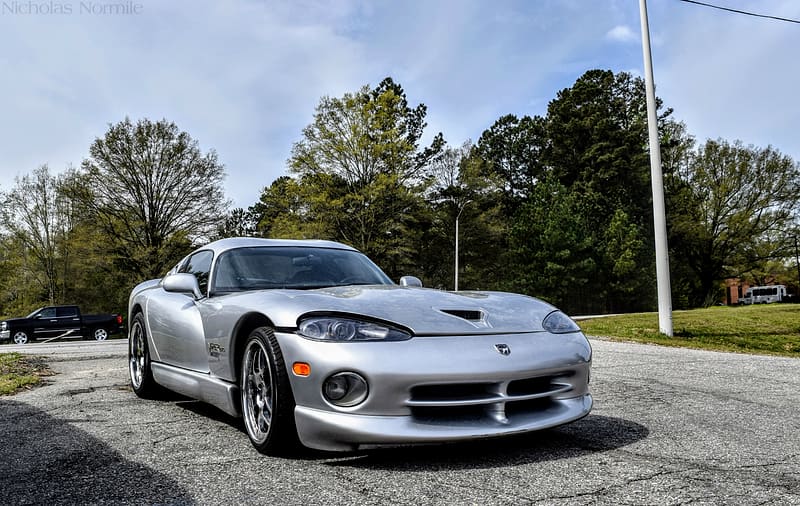
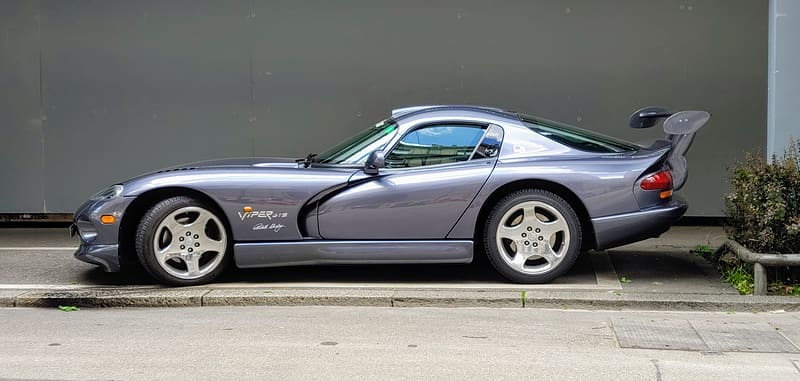
GTS Coupe

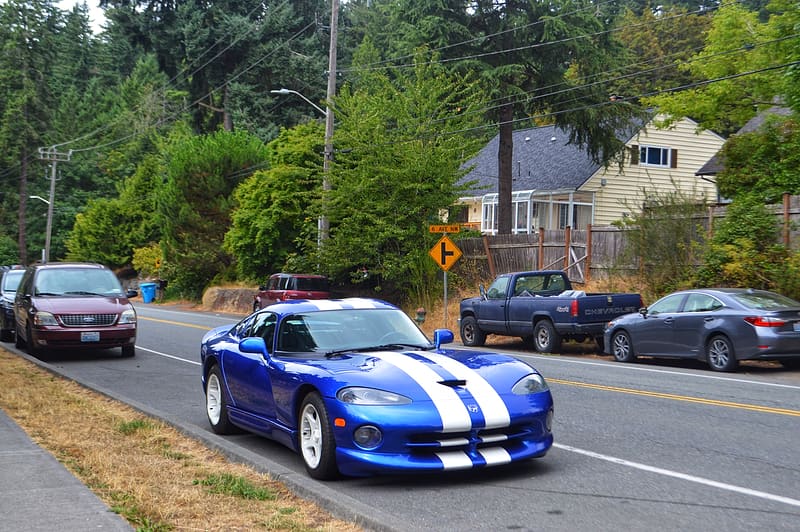
1996–2002 · 450 hp

The coupe version of the second-generation Viper, introduced during the 1996 model year. Its “double bubble” roof, with raised sections to make room for helmets, took a cue from Pete Brock’s Shelby Daytona Coupe. More than 90 percent of the car was new compared with the RT/10, and it had 450 hp, the first airbags in a Viper, and standard air conditioning, power windows and power locks. A GTS paced the 1996 Indianapolis 500.

How to spot one

A fixed roof with two bumps over the seats. The optional stripes were two 8-inch bands with a 4-inch gap running nose to tail; only on 1996 cars do they continue through the rear license plate area.

438 spots + 60 possible · Photos
Rare

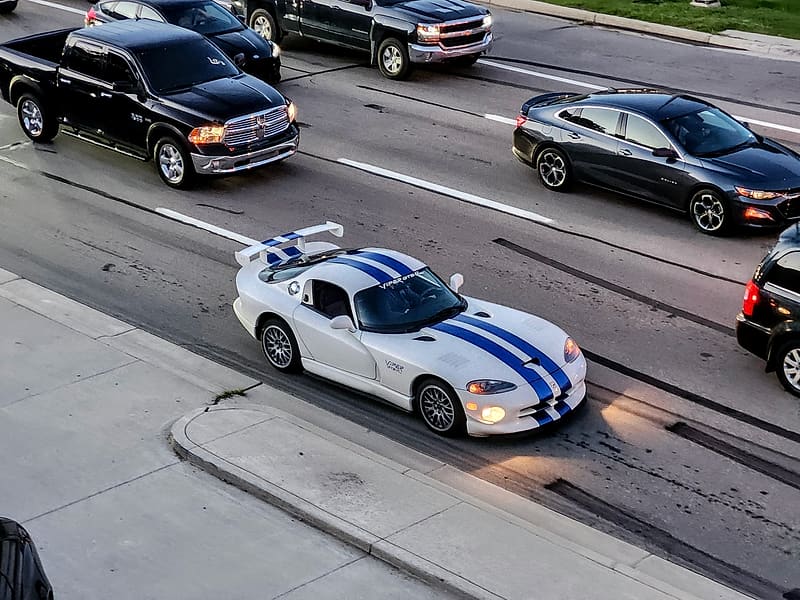
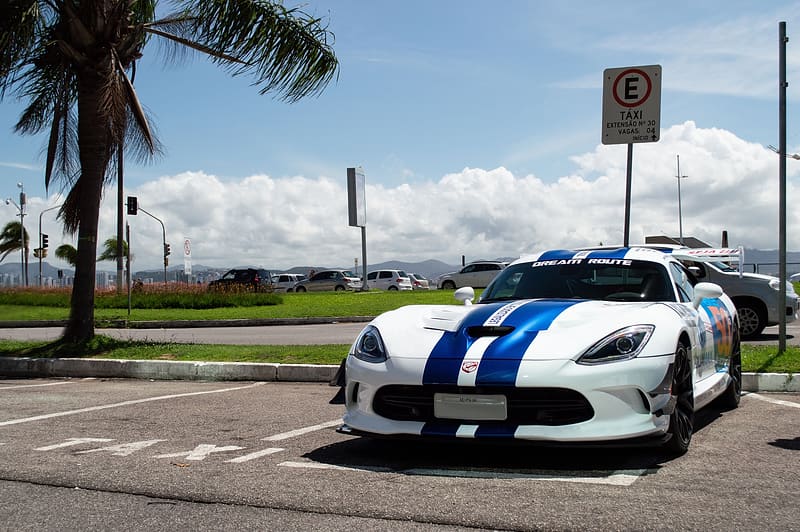
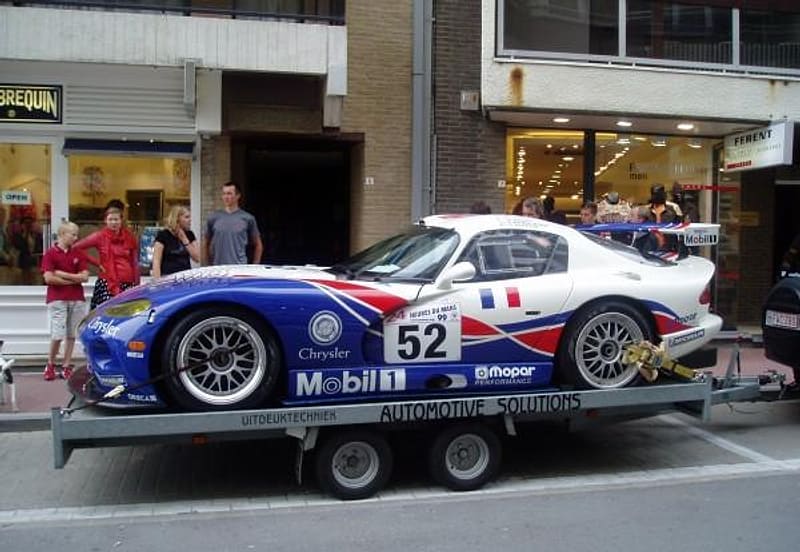
GT2 Championship Edition

1998 · 100 built · 460 hp

Built to celebrate the Viper GTS-R’s 1997 FIA GT2 team and driver titles; it was not a homologation special, since the race car came first. Exactly 100 were made between June 16 and July 7, 1998, in VIN order, priced at $85,200 and offered through the top Viper dealers. A K&N air filter and smooth intake tubes raised power to 460 hp and 500 lb-ft.

How to spot one

White with blue stripes like the race car, with a large rear wing, front dive planes and splitter, side sills, an American flag, BBS wheels and GTS-R badging, which is why many people call it a GTS-R. Inside are an Oreca five-point harness and a numbered dash plaque.

5 spots + 4 possible · Photos
Common

GTS ACR

1999–2002 · 460 hp

The first American Club Racer, offered from the 1999 model year as a package on the GTS coupe. It used the GT2 edition’s intake for 460 hp and had adjustable suspension, stiffer springs, one-piece forged 18-inch BBS wheels and five-point harnesses with the ACR logo. Air conditioning and the radio were deleted to save weight but could be added back as an option.

How to spot one

ACR badging and one-piece BBS wheels on a GTS coupe; it came in solid colors or with stripes, and the color choices changed each year.

13 spots + 23 possible · Photos

Gen III

ZB I · 7 variants · 345 spots · 12 possible
Common

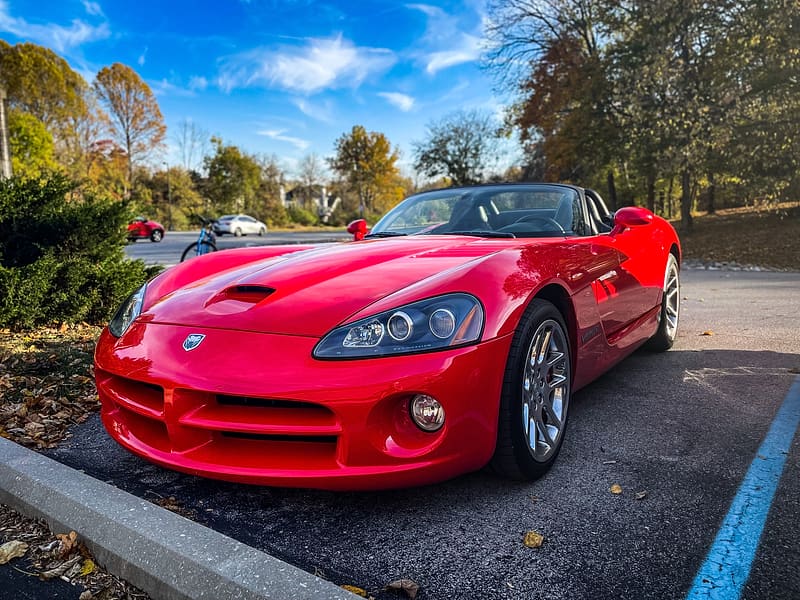
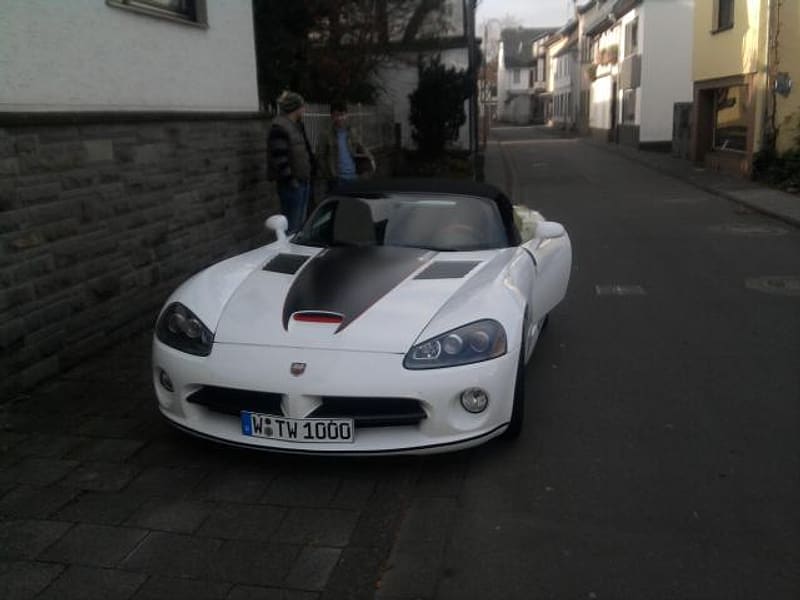
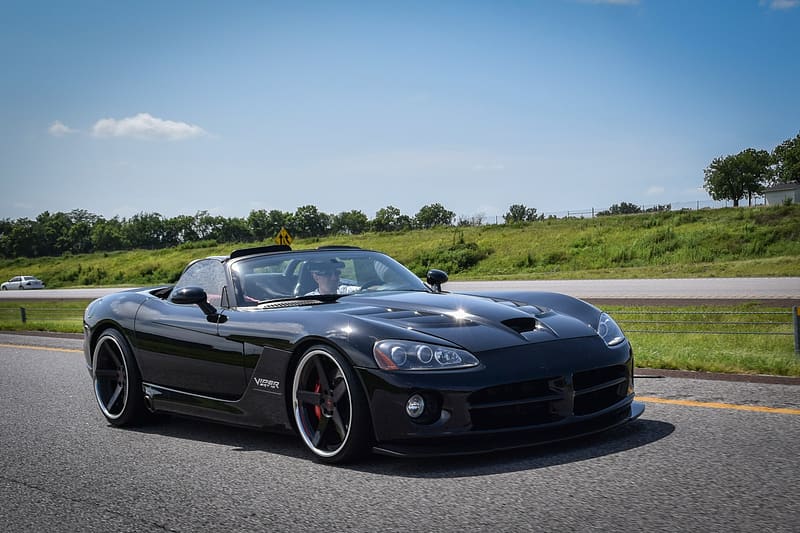
SRT-10 Roadster

2003–2006 · 500 hp · $63k–$97k

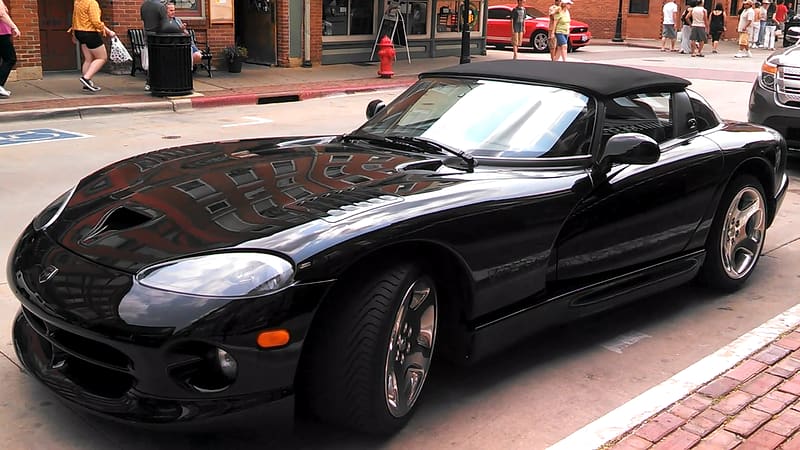
A full redesign shown at the 2001 Detroit show and sold from 2003, replacing both the RT/10 and the GTS. Designed by Osamu Shikado for Chrysler’s Street and Racing Technology group, it took its sharp, angled lines from the 2000 Viper GTS-R concept. The V10 grew to 8.3 liters and 500 hp and drove the rear wheels through a 6-speed Tremec T56, and the chassis was stiffer and about 80 lb lighter.

How to spot one

Sharper, creased bodywork with a gill behind each front wheel and a folding soft top. Its hood has only small slots beside the bulge; the 2008–2010 cars have two big louvered vents. In the UK it was sold as the Dodge SRT-10.

298 spots + 333 possible · Photos
Rare

Mamba Edition

2004 · 200 built

A limited 2004 package for the SRT-10 roadster, with a black interior trimmed and stitched in red. It added about $3,000 to the price, and 200 cars were built with it.

How to spot one

The giveaway is inside: a black cabin with red stitching and trim.

9 spots + 1 possible · Photos
Common

SRT-10 Coupe

2006 · 510 hp · $80k–$91k

Shown at the 2005 Detroit show as a 2006 model, the coupe brought back the GTS’s “double bubble” roof and borrowed its side and rear styling from the Competition Coupe concept. Its V10 was rated at 510 hp and 535 lb-ft, a little more than the roadster’s. No Vipers were built for 2007; Chrysler kept building 2006 cars while it readied the 2008 update.

How to spot one

A fixed double-bubble roof and taillights styled after the original GTS, with a plain hood: the hood vents only arrived on the 2008 cars.

18 spots + 126 possible · Photos
Rare

SRT-10 Coupe First Edition

2006 · 200 built

The first run of SRT-10 coupes, finished like the original Viper coupe in GTS Blue with white stripes.

How to spot one

GTS Blue with white stripes on a 2006 SRT-10 coupe.

7 spots + 23 possible · Photos
Rare

Copperhead Edition

2005 · 300 built

Paint-and-trim editions of 2006. The VOI.9 Edition marked the Viper Club of America’s ninth Viper Owners Invitational: 100 individually numbered coupes with commemorative badges, sill plates, special stitching and serial number plaques. The Copperhead Edition took its copper-colored paint from the Dodge Copperhead, a smaller V6 concept car built on the Viper that never reached production.

How to spot one

A VOI.9 is a Stone White coupe with blue stripes running the length of the body; a Copperhead is painted copper.

13 spots + 16 possible · Photos
Not spotted yetBe the firstRare

VOI9 Edition

2006

Paint-and-trim editions of 2006. The VOI.9 Edition marked the Viper Club of America’s ninth Viper Owners Invitational: 100 individually numbered coupes with commemorative badges, sill plates, special stitching and serial number plaques. The Copperhead Edition took its copper-colored paint from the Dodge Copperhead, a smaller V6 concept car built on the Viper that never reached production.

How to spot one

A VOI.9 is a Stone White coupe with blue stripes running the length of the body; a Copperhead is painted copper.

12 possible · help confirm
Not spotted yetBe the firstRare

VCA Edition

2006

Paint-and-trim editions of 2006. The VOI.9 Edition marked the Viper Club of America’s ninth Viper Owners Invitational: 100 individually numbered coupes with commemorative badges, sill plates, special stitching and serial number plaques. The Copperhead Edition took its copper-colored paint from the Dodge Copperhead, a smaller V6 concept car built on the Viper that never reached production.

How to spot one

A VOI.9 is a Stone White coupe with blue stripes running the length of the body; a Copperhead is painted copper.

Be the first to spot one

Gen IV

ZB II · 6 variants · 191 spots · 1 possible
Common

SRT-10 Coupe

2008–2010 · 600 hp

The double-bubble coupe carried over from 2006 with the 2008 update’s 600 hp 8.4-liter V10, Tremec TR6060 gearbox and GKN limited-slip differential. It was the base for the 2008–2010 ACR and the run-out special editions; production ended on July 1, 2010, with a gold car with orange stripes.

How to spot one

The 2006 coupe’s double-bubble roof with the 2008 hood: two big louvered vents on either side of the bulge. No fixed carbon wing or splitter with canards (that’s the ACR).

42 spots + 148 possible · Photos
Common

SRT-10 Roadster

2008–2010 · 600 hp

The 2008 update kept the 2003 body but replaced the engine: an 8.4-liter V10, developed with help from McLaren and Ricardo, with cam-in-cam variable valve timing, made 600 hp and 560 lb-ft. A Tremec TR6060 gearbox, a GKN limited-slip differential and new Michelin tires came with it, and the roadster kept its folding soft top. Production ended on July 1, 2010.

How to spot one

The 2003–2006 roadster’s body with a new hood: two big louvered vents on either side of the bulge, where the earlier cars have only small slots. From the rear or the side the two are hard to tell apart.

51 spots + 327 possible · Photos
Common

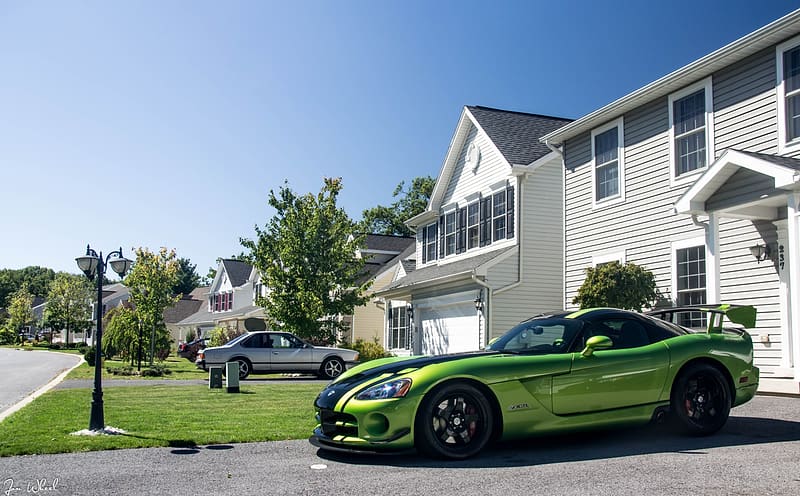
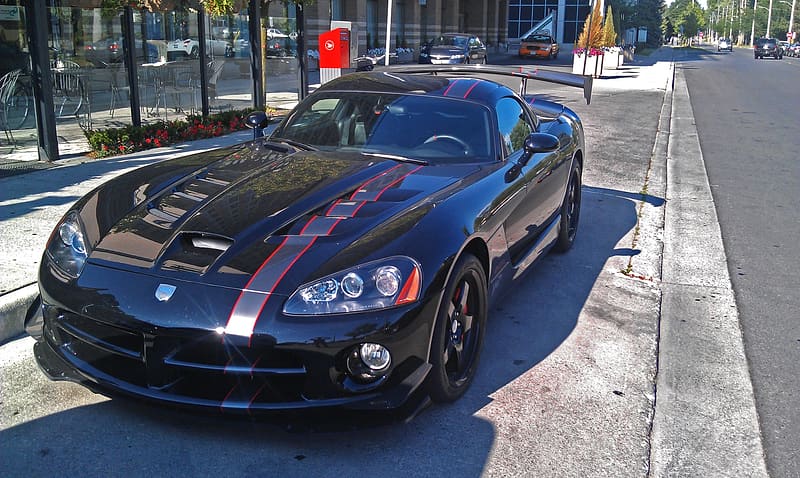
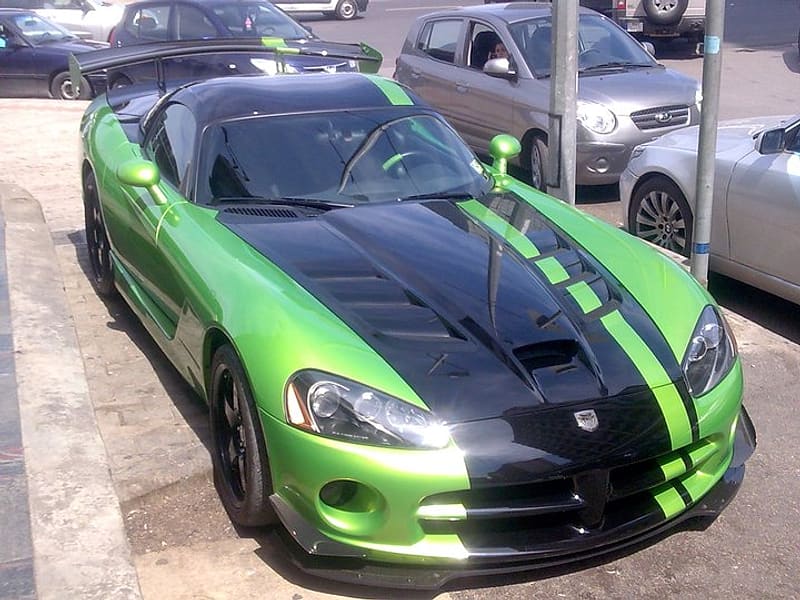
SRT-10 ACR

2008–2010 · 600 hp

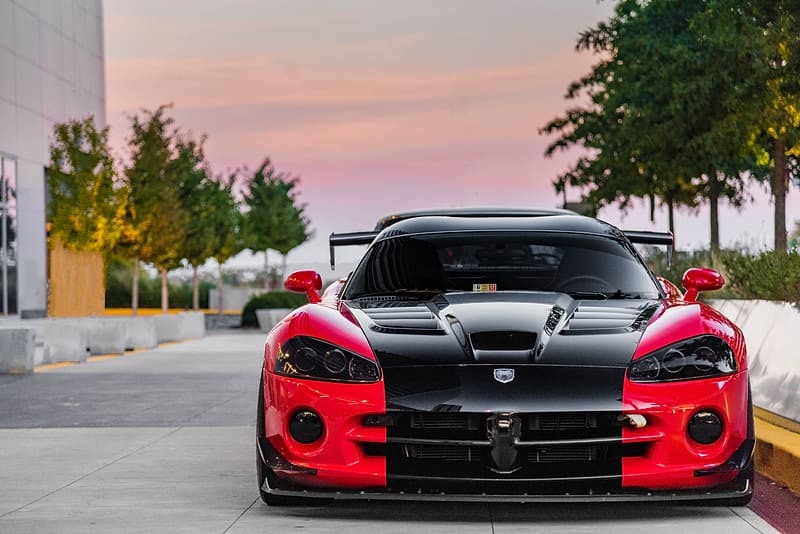
A track-focused American Club Racer version of the 2008–2010 coupe, with the standard 600 hp but a carbon fiber aero kit that made 1,000 lb of downforce at 150 mph, KW adjustable coilovers and StopTech brake rotors. An optional Hard Core package deleted the radio and other items to save weight. In September 2011 a 2010 ACR lapped the Nürburgring Nordschleife in 7:12.13, which Chrysler claimed as a production-car record.

How to spot one

A carbon front splitter with canards, a large adjustable carbon rear wing, blank panels where the fog lamps would be and gloss black Sidewinder wheels. Most are two-tone with a black center section; monotone cars have a body-color wing and dual stripes.

94 spots + 50 possible · Photos
Rare

Voodoo Edition

2010 · 31 built

A 2010 special edition of the ACR, one of several Dodge built as fourth-generation production wound down; 31 were made. It had special black paint with red striping and its own interior and steering wheel.

How to spot one

A black ACR, wing and all, with red striping; the 1:33 Edition of the same year also mixed black and red.

3 spots + 22 possible · Photos
Not spotted yetBe the firstRare

Final Edition

2010 · 50 built

Dodge began taking orders for the SRT-10 Final Edition on February 10, 2010, meant to be the last Vipers before production ended that summer. Only 50 were built, 20 coupes, 18 roadsters and 12 ACRs, all carrying the special build code AXZ.

1 possible · help confirm
Rare

SRT-10 ACR-X

2010 · 50 built · 640 hp

A track-only version of the ACR built at the end of the fourth generation for the Dodge Viper Cup race series. Power rose to 640 hp, extra dive planes raised downforce to about 1,100 lb at 150 mph, and a stripped interior with a roll cage, fuel cell and single seat cut about 120 lb. In February 2012 one lapped the Nürburgring in 7:03.06, more than nine seconds faster than the road-going ACR.

How to spot one

Like an ACR but with extra dive planes on the front bumper and no side windows; as a track-only car it is seen at circuits, not on the road.

1 spot · Photos

Gen V

VX I · 14 variants · 110 spots · 64 possible
Common

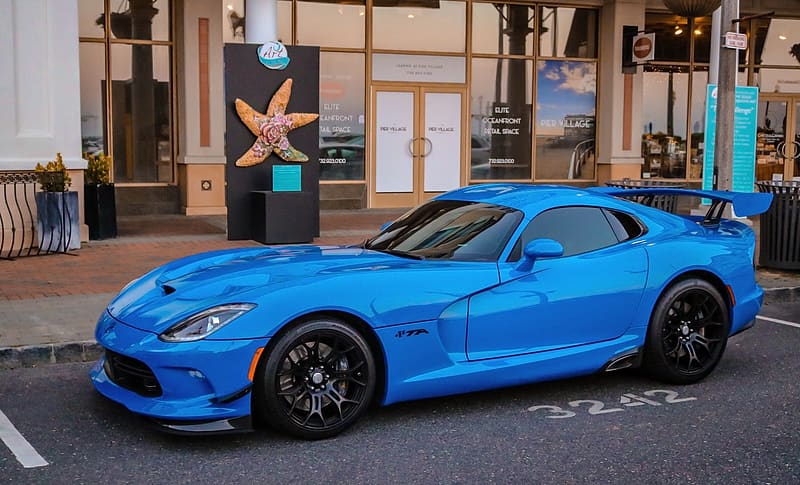
SRT Viper

2013–2017 · 645 hp · $150k–$251k

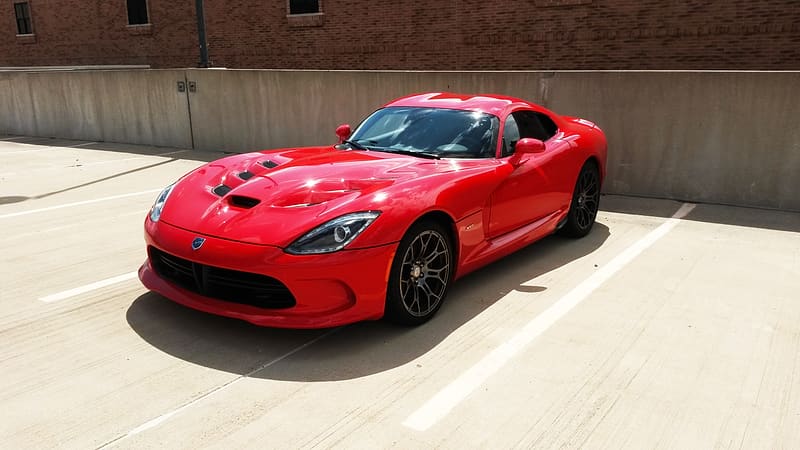
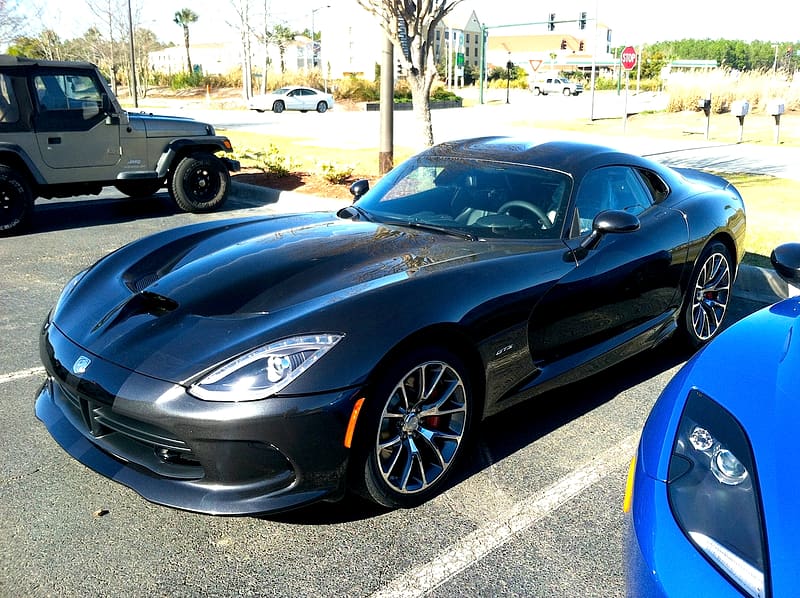
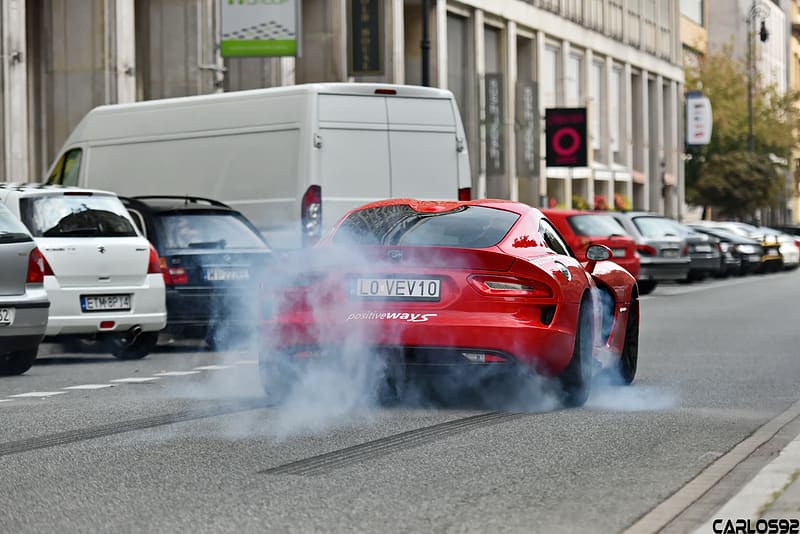
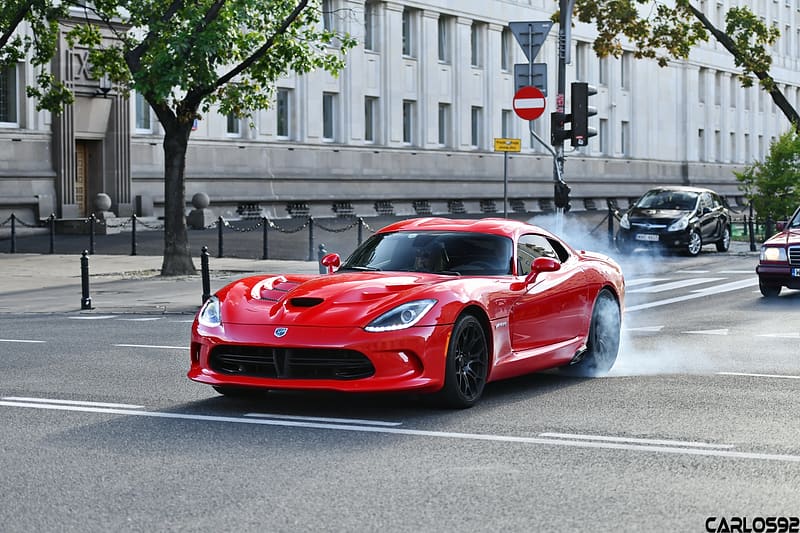
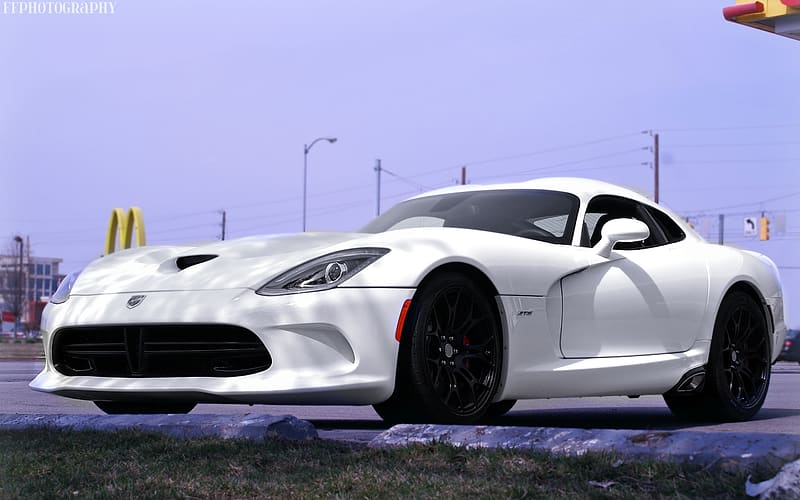
The fifth and last Viper, unveiled at the 2012 New York show and sold as the SRT Viper for 2013 and 2014, then as the Dodge Viper again. It was all-new, with carbon fiber and aluminum body panels, a 640 hp 8.4-liter V10 (645 hp from 2015) and, for the first time, stability and traction control. The GTS added more comfort features and a GT package filled the gap from 2015; sales were slow, and production ended in August 2017 after 2,427 cars.

How to spot one

The hood vents tell the trims apart: the base car has six functional vents, the GTS only two.

23 spots + 220 possible · Photos
Common

SRT Viper GTS

2013–2017 · 645 hp · $150k–$251k

The fifth and last Viper, unveiled at the 2012 New York show and sold as the SRT Viper for 2013 and 2014, then as the Dodge Viper again. It was all-new, with carbon fiber and aluminum body panels, a 640 hp 8.4-liter V10 (645 hp from 2015) and, for the first time, stability and traction control. The GTS added more comfort features and a GT package filled the gap from 2015; sales were slow, and production ended in August 2017 after 2,427 cars.

How to spot one

The hood vents tell the trims apart: the base car has six functional vents, the GTS only two.

37 spots + 229 possible · Photos
Rare

GTS Launch Edition

2013 · 150 built

To mark the Viper’s return, SRT offered a Launch Edition package on 150 GTS models for 2013, each with a serialized dash plaque and a black Laguna leather interior with contrast stitching.

How to spot one

Viper Blue with twin white stripes on a 2013 GTS.

3 spots + 12 possible · Photos
Rare

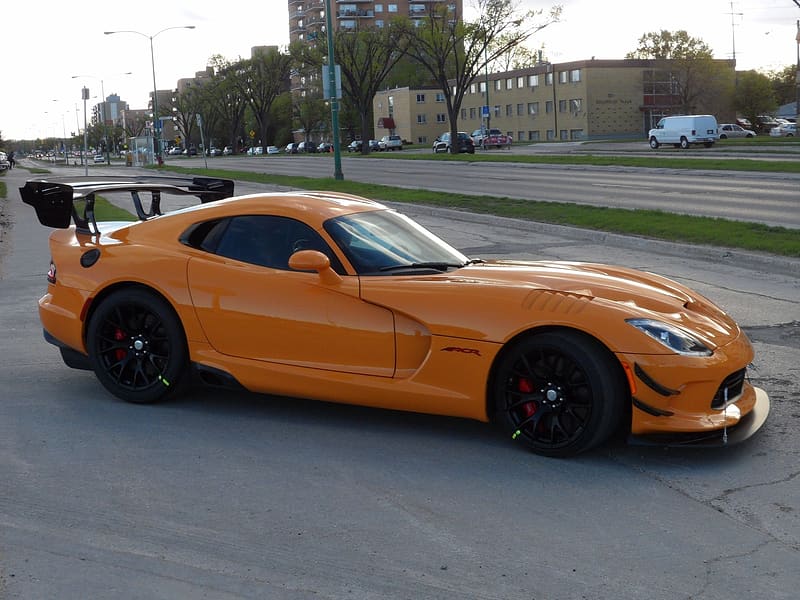
Viper TA (Time Attack)

2014 · 159 built · 640 hp

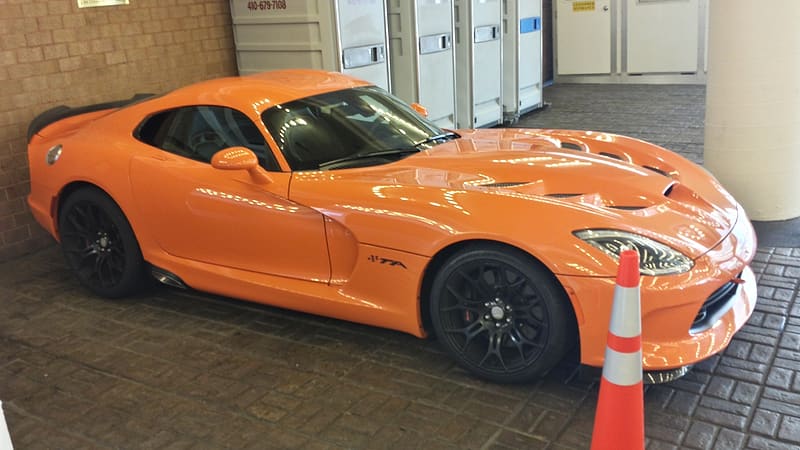
The Time Attack model, a track-tuned package with the standard engine but carbon front corner splitters and a rear decklid spoiler (200 lb of downforce at 100 mph), firmer Bilstein dampers, stiffer springs and anti-roll bars, a carbon underhood X-brace and two-piece Brembo rotors. Of the 159 built, 33 were Venom Black, 33 Bright White and 93 TA Orange. In March 2013 MotorTrend lapped Laguna Seca in 1:33.62 in one, a production-car record there at the time.

How to spot one

Matte black Sidewinder II wheels, black Brembo calipers with an orange Viper logo, TA logos behind the front wheels and a Stryker decal on the hood instead of the badge; most are TA Orange.

16 spots + 18 possible · Photos
Rare

Anodized Carbon Special Edition

2014 · 50 built

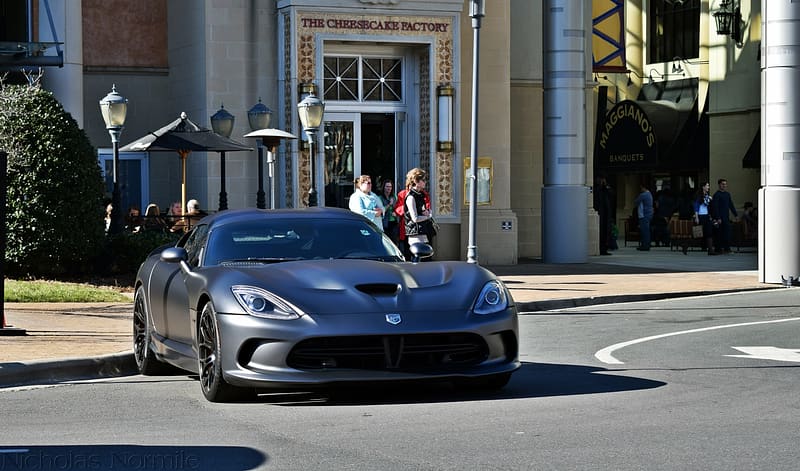
A 2014 package for the Viper GTS, limited to 50 cars, with a metallic matte paint used on no other Chrysler Group vehicle. Inside, an exclusive carbon GTS badge sits on the dash.

How to spot one

Matte metallic paint with chrome-finish five-spoke Rattler wheels, a gloss black GTS badge and orange brake calipers.

1 spot + 2 possible · Photos
Common

TA 2.0

2015–2017 · 645 hp

Added for 2015 when the Viper returned to the Dodge brand, sold alongside the original TA. A bigger rear wing, new front dive planes and a new carbon splitter raised downforce to 400 lb at 150 mph, up from 278 lb, and it kept the standard car’s 206 mph top speed. It also got suspension and brake upgrades and fiberglass racing seats with orange stitching.

How to spot one

A real rear wing instead of the first TA’s decklid spoiler, plus front dive planes; it came in Competition Blue, Venom Black or Y’Orange.

3 spots + 11 possible · Photos
Not sorted yetIts spots are among the unsorted onesCommon

Viper GTC

2015–2017 · 645 hp · $299k–$301k

Dodge’s build-to-order Viper from 2015: buyers chose from 8,000 colors, 24,000 hand-painted stripes, 10 wheels, 16 interior trims and 6 aero options, for some 25 million combinations. Through the Viper Concierge program each buyer approved a paint chip and a 1:18 scale model in their colors, and no other buyer could order the same specification that year.

Help sort them
Not sorted yetIts spots are among the unsorted onesCommon

ACR

2016–2017 · 645 hp · $396k–$585k

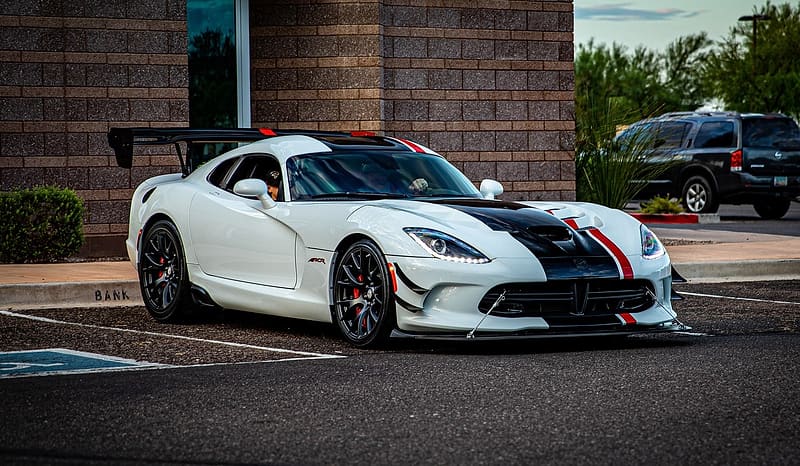
Shown as a concept at SEMA 2014 and sold for 2016 and 2017, priced from $121,395 in the US. The engine stayed at 645 hp, but a carbon aero kit with a fixed rear wing made more than 1,500 lb of downforce, and it had the first carbon-ceramic brakes on a Viper, Bilstein adjustable dampers and Kumho tires made for it. Dodge said it held 13 road-course lap records.

How to spot one

A carbon front splitter and a large fixed carbon rear wing; cars with the Extreme Aero package add a dual-element wing, dive planes and hood louvers.

58 possible · help confirm
Common

ACR Extreme Aero

2016–2017 · $450k–$600k

An option for the 2016–2017 ACR that helped it set its lap records. It added a removable front splitter extension, an adjustable dual-element rear wing, four dive planes, six removable diffuser strakes, brake ducts and removable hood louvers, for up to 1,710 lb of downforce. The extra drag (a 0.54 drag coefficient against 0.37 for the standard Viper) cut top speed to 177 mph, and in October 2015 an Extreme Aero ACR lapped the Nürburgring in an unofficial 7:01.67.

How to spot one

A two-element adjustable rear wing, dive planes on the front corners, louvers in the hood and a longer front splitter.

19 spots + 63 possible · Photos
Rare

GTS-R Commemorative Edition ACR

2017 · 100 built

One of six serialized special editions Dodge announced on June 22, 2016, for the Viper’s 25th anniversary and final year. It honored the 1998 GT2 Championship Edition and the team that won the 1997 FIA GT2 title, with the Extreme Aero package, carbon-ceramic brakes, the Exterior Carbon package and red accent stitching. Up to 100 were offered.

How to spot one

Pearl White with Blue Pearl GTS stripes, like the 1998 car, plus GTS-R badging and a red Stryker badge decal.

6 spots + 4 possible · Photos
Rare

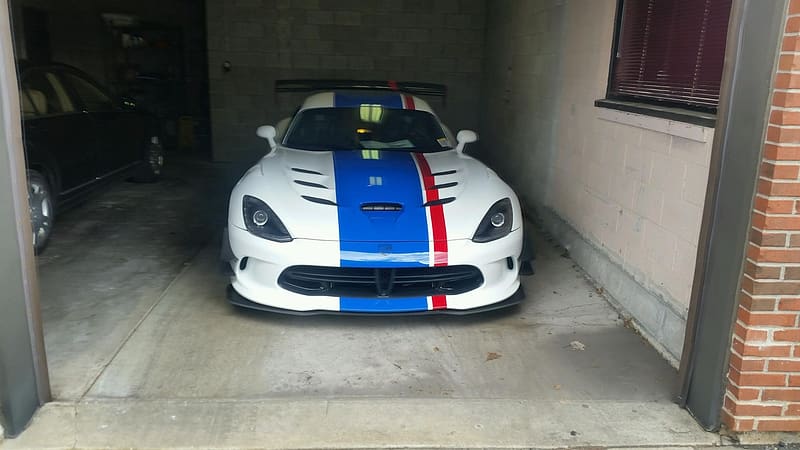
Dodge Dealer Edition ACR

2017 · 33 built

A 2017 special edition sold only through Dodge’s two highest-volume Viper dealers, Tomball Dodge in Tomball, Texas, and Roanoke Dodge in Roanoke, Illinois.

How to spot one

Red, white and blue: Viper White with a Competition Blue center stripe and an Adrenaline Red driver’s stripe.

1 spot + 3 possible · Photos
Rare

VooDoo II Edition ACR

2017 · 31 built · $594k

A 2017 edition (Dodge spelled it VoooDoo II) that revived the 2010 Voodoo ACR in the same number, 31 cars. It had the Extreme Aero package and carbon-ceramic brakes.

How to spot one

Black with a graphite metallic ACR driver’s stripe outlined in red.

1 spot + 2 possible · Photos
Not spotted yetBe the firstRare

Snakeskin Edition GTC

2017 · 25 built

A 2017 edition of the GTC, limited to 25 cars and inspired by the 2010 Snakeskin ACR, with the Advanced Aerodynamics package and a black GT interior. After the first five 2017 editions sold out, Dodge added a Snakeskin ACR in the same colors.

How to spot one

Snakeskin Green paint with a snakeskin-patterned SRT stripe.

1 possible · help confirm
Not spotted yetBe the firstRare

1:28 Edition ACR

2017 · 28 built

A 2017 ACR edition marking the 1:28.65 lap of Laguna Seca that Randy Pobst set in an ACR; 28 were built. Each had the Extreme Aero package, carbon-ceramic brakes, a serialized instrument panel with a 1:28 Edition badge and a custom car cover.

How to spot one

Black with a painted rear wing and red ACR stripes.

5 possible · help confirm

Race cars

3 variants · 1 spot · 1 possible
Rare

GTS-R

1996–2002 · 57 built

The racing version of the Viper GTS coupe, developed by Chrysler with Oreca in France and Reynard in Britain and unveiled at Pebble Beach in 1995. It won its class at Le Mans three years running (1998–2000), took the FIA GT2 title in 1997, won the 2000 24 Hours of Daytona outright and won the Spa 24 Hours in 2001 and 2002. Fifty-seven were built, most sold to private teams; it raced as a Chrysler in Europe and a Dodge in North America.

How to spot one

A GTS with a big rear wing, front splitter and rear diffuser, side exhausts exiting under the doors, hood vents and intakes on the roof and rear fenders; its only name is “Viper GTS-R” on the hood.

1 spot + 2 possible · Photos
Not spotted yetBe the firstRare

Viper Competition Coupe

2003–2010

A race-only Viper coupe with a carbon composite body on a tubular steel frame, a roll cage and no interior trim, using the 8.3-liter V10 tuned to 520 hp. Built first for a one-make series, it was later adapted for GT3 racing with Oreca’s help and won the British GT Championship in 2007 and 2008; 150 were built.

Be the first to spot one
Not spotted yetBe the firstRare

SRT Viper GTS-R

2012–2014

The factory race car for the fifth-generation Viper, built by SRT Motorsports with Riley Technologies for the GTE/GTLM class and unveiled at the 2012 New York show. It brought the Viper back to Le Mans in 2013, and in 2014 it won the GTLM drivers’ and teams’ titles in the United SportsCar Championship with Kuno Wittmer, after which the factory program ended.

1 possible · help confirm

Tuner builds

1 variant · 2 spots
Rare

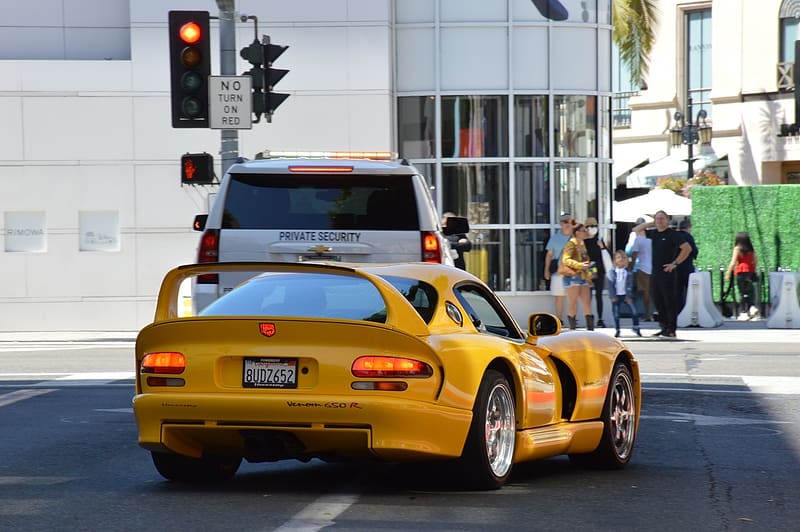
Hennessey Viper (Venom 650R, 800, 1000)

Hennessey Performance, founded by John Hennessey in Texas in 1991, is known for very high-power upgrades, especially on American cars like the Viper, and later built its own Venom hypercars. On the Viper, its best-known builds are the Venom 650R, 800, 1000.

How to spot one

Mostly under the skin: Hennessey badges or graphics, sometimes visible turbochargers or a different hood.

2 spots + 21 possible · Photos

Body kits and one-offs

1 variant · 62 spots
Uncommon

Modified Viper

Cars changed by their owners or by a shop we don't list: aftermarket body kits (new bumpers, side skirts, wings, wider fenders), custom wide bodies, and one-off builds. They're grouped here until someone names the tuner or the build.

How to spot one

Bumpers, wings or fender flares the factory never made, a much lower stance, or wheels and details that don't match any version. Know who did it? Suggest it on the spot's page.

62 spots + 36 possible · Photos

1,074 Viper spots need a variant

Most spotters just write “Viper”. 1,074 of these have a clue in the description and wait in Help identify: when three spotters agree, the spot gets its variant.

1,345 of 2,419 sorted (56%) · 1,074 questions waiting
Help sort 1,074
Dodge Viper spotted in Indianapolis, IndianaDodge Viper spotted in State College, PennsylvaniaDodge Viper spotted in Warsaw, PolandDodge Viper spotted in Warsaw, PolandDodge Viper spotted in Scottsdale, ArizonaDodge Viper spotted in McLean, VirginiaDodge Viper spotted in Zurich, SwitzerlandDodge Viper spotted in Zurich, Switzerland