BMW

The Munich maker of sporty sedans, coupes and SUVs, known for its blue-and-white roundel, kidney grilles and the high-performance M cars.

MunichSince 191615 models5 in production
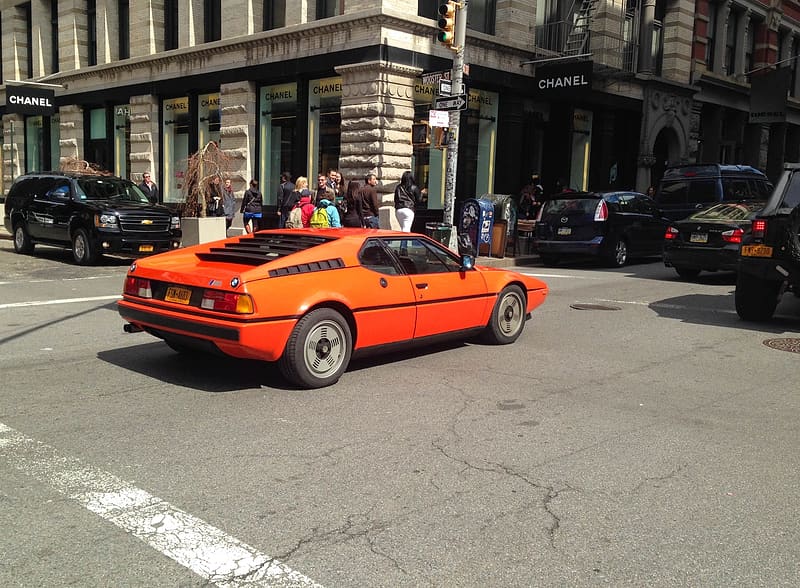
BMW M1IconBMW M1453 built
Founded1916Munich
Models1515 spotted · 5 in production
Spots4,2244,936 photos
Spotters1,027in 118 places
Most spottedi81,126 spots
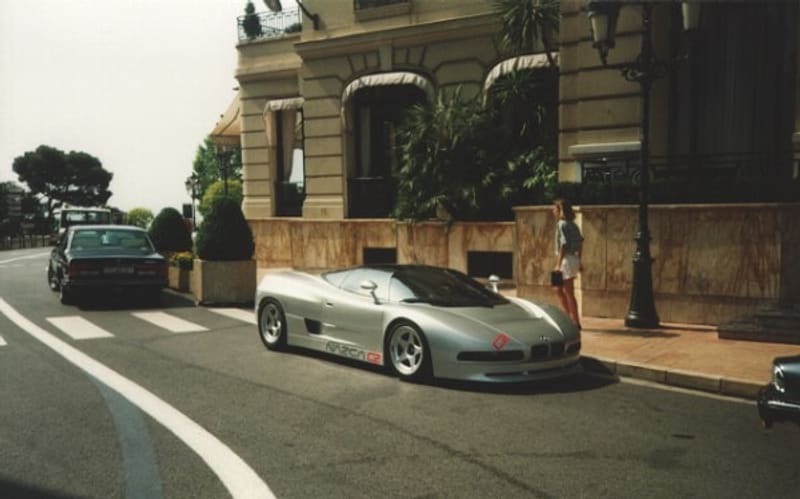
Rarest spottedItaldesign Nasca C25 built · 1 spot

The lineup

Every BMW on ExoticSpotter, newest first. Each opens its own guide, with every variant and how to spot it.
In production

5 models · 1,111 spots
Common

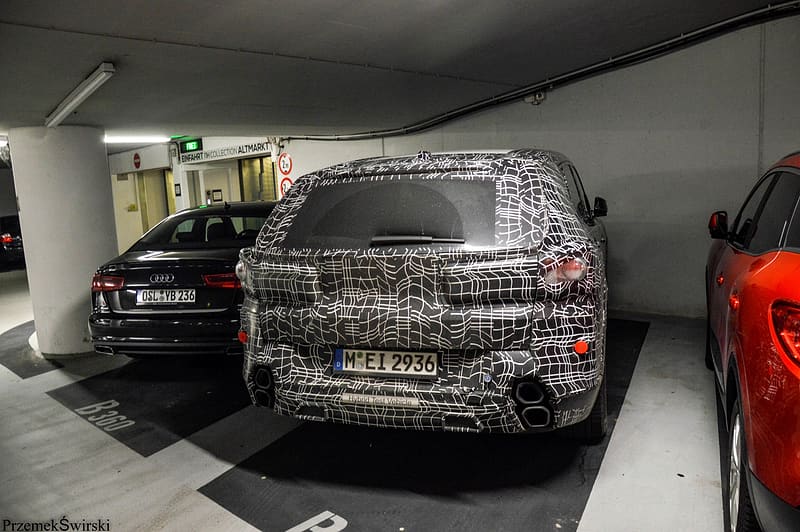
XM

2023–present · 6 variants

BMW M's first stand-alone car since the M1: a 644-738 hp plug-in hybrid V8 SUV, built in South Carolina from December 2022.

Common

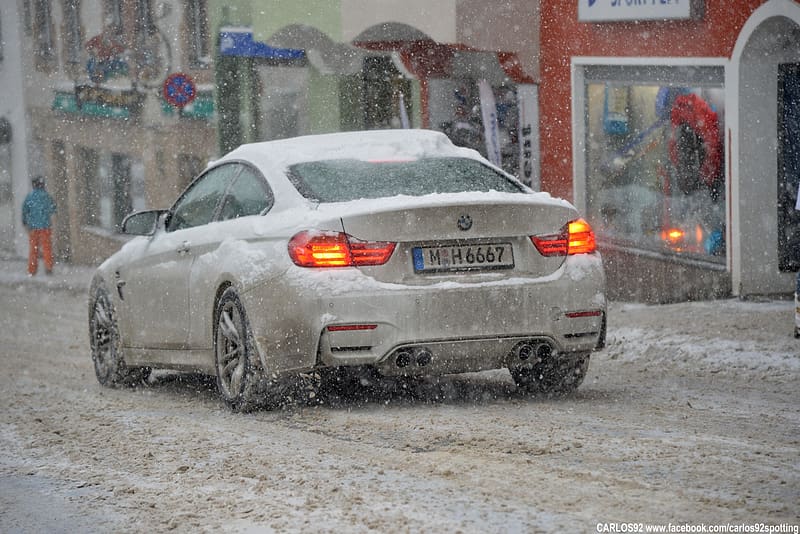
M4

2014–present · 19 variants

BMW M’s two-door sports coupe and convertible: the M3 coupe renamed when BMW gave its two-door 3 Series the 4 Series name.

Uncommon

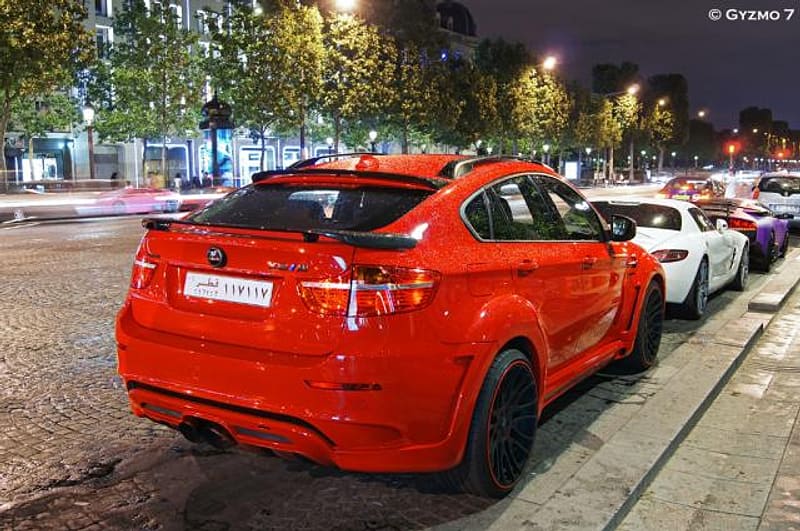
X6 M

2009–present · 13 variants

BMW M’s twin-turbo V8 version of the X6 coupe-shaped SUV: four tailpipes, huge front air intakes, and all-wheel drive.

Common

M3

1986–present · 44 variants

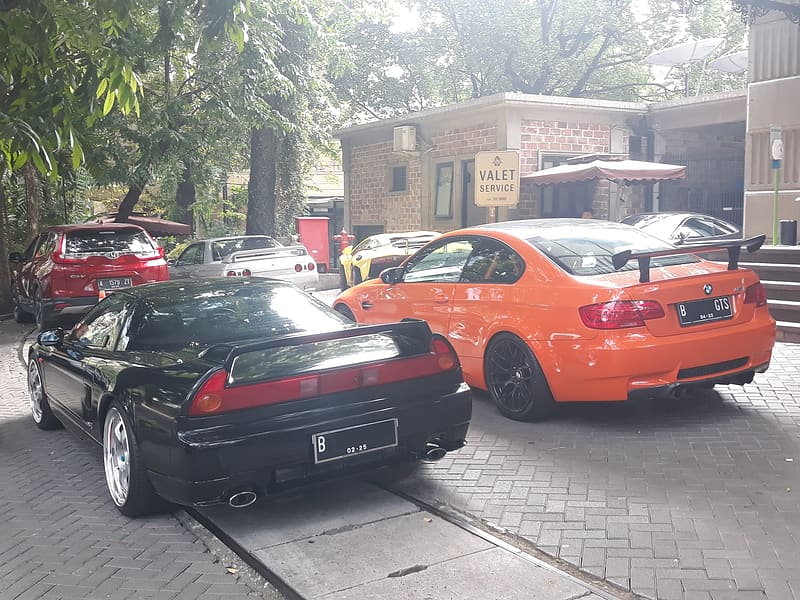
BMW M’s high-performance 3 Series since 1986: born as a touring-car homologation special, now a sedan and, for the first time, a wagon.

Common

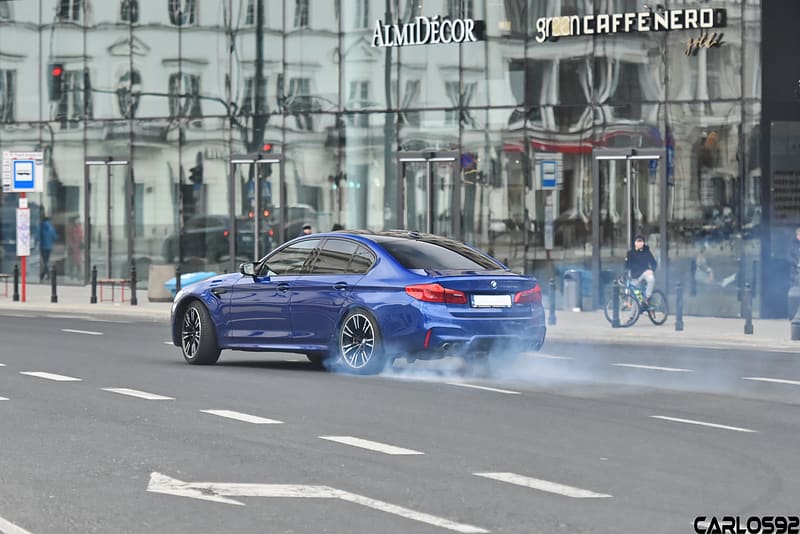
M5

1984–Present · 75,099 built · 24 variants

The original super sedan: a family 5 Series with a motorsport engine, from the hand-built E28 to today’s 717-hp plug-in hybrid.

The 2010s

3 models · 1,368 spots
Common

M8

2019–2026 · 10 variants

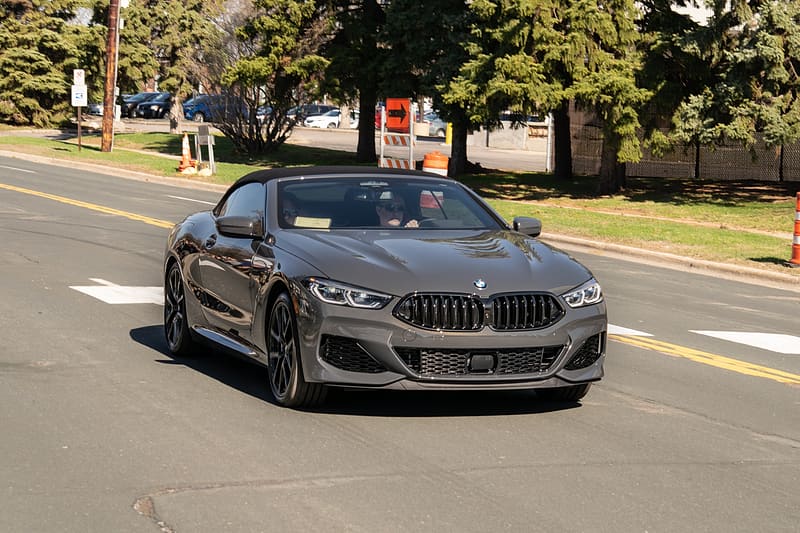
The 8 Series in full M form at last: a 617-hp twin-turbo V8 coupe, convertible and four-door Gran Coupe, and the 523-hp M850i that came first.

Common

i8

2014–2020 · 20,465 built · 6 variants

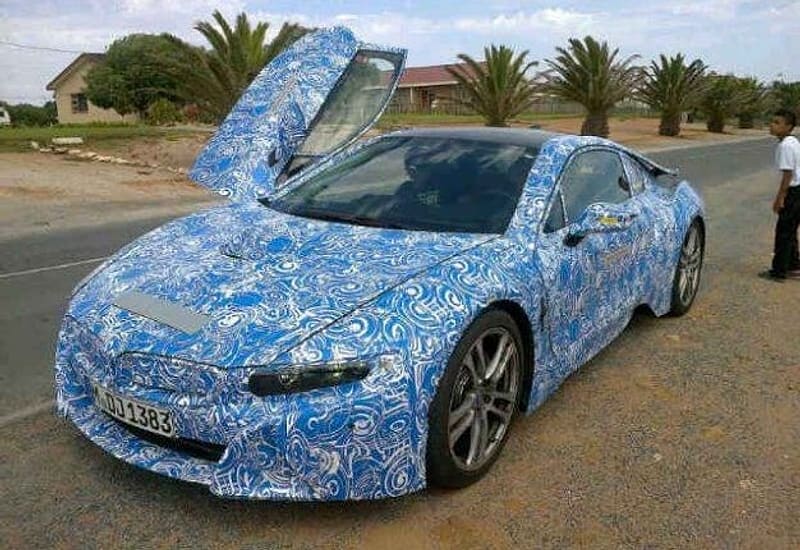
BMW’s plug-in hybrid supercar: a three-cylinder engine, electric front axle, carbon cabin and butterfly doors.

Uncommon

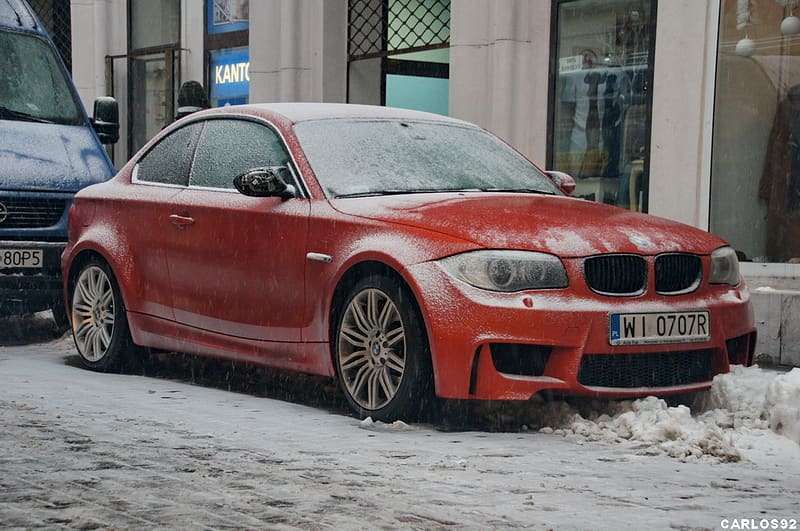
1M

2011–2012 · 6,309 built

A short, wide, manual-only coupe with a twin-turbo straight-six that became an instant modern classic.

The 1990s

3 models · 544 spots
Uncommon
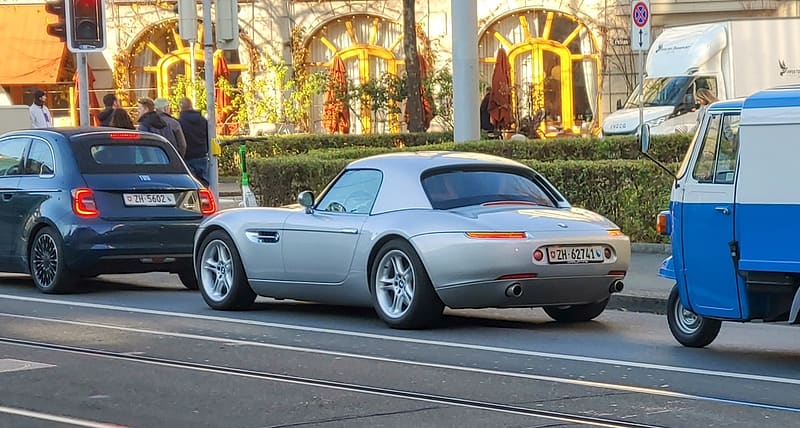
Z8

1999–2003 · 5,703 built · 2 variants

Henrik Fisker’s retro roadster homage to the BMW 507, with the E39 M5’s V8 and a James Bond cameo.

Common

840-ci

1990–1999 · 30,609 built · 8 variants

BMW’s pillarless V8 and V12 grand tourer of the 1990s, with pop-up headlights and a 381-hp CSi.

The 1980s

2 models · 845 spots
Uncommon

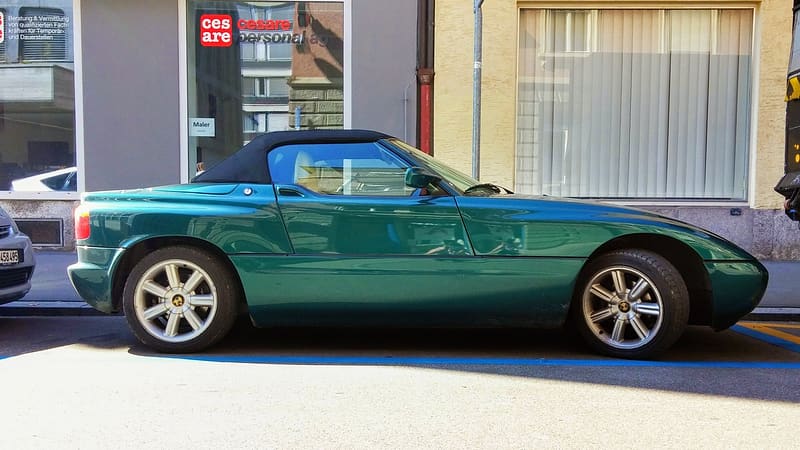
Z1

1989–1991 · 8,000 built

BMW’s first roadster, famous for doors that drop down into the sills.

Common

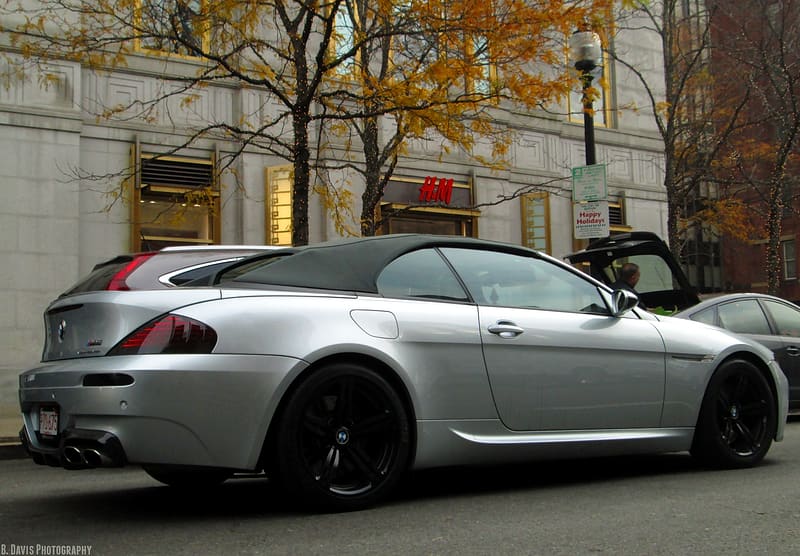
M6

1983–2019 · 20,007 built · 17 variants

The M5’s coupe sibling: the shark-nosed M635CSi, the V10 E63 and the twin-turbo Gran Coupe.

The 1970s

2 models · 356 spots
Common

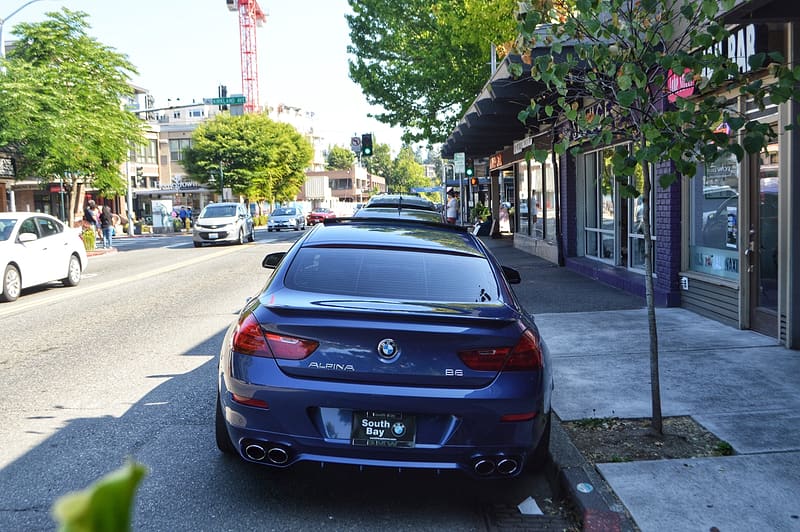
Alpina

1978–present · 42 variants

Small Bavarian maker of fast, refined BMW-based cars since 1965, recognized as a manufacturer since 1983; a BMW Group brand since 2026.

Very rare

M1

1978–1981 · 453 built · 4 variants

BMW’s only mid-engined supercar until the i8: a Giugiaro wedge begun with Lamborghini, raced in the Procar series.

Spotting a BMW

Since the 1972 5 Series most BMW names are three digits plus letters: the first digit is the series and the last two traditionally stood for engine size in deciliters, so a 528i has a 2.8-liter engine. Letters add detail: i for fuel injection, d for diesel, L for long wheelbase and x or xDrive for all-wheel drive. Odd-numbered series are sedans and wagons, and even-numbered ones are coupes and convertibles.

An M badge alone doesn’t make an M car. True M cars come from BMW M with their own engines, suspension and bodywork, but BMW also uses the letter on regular models such as the M140i and M760Li and on M Sport option packages.

Cars built by BMW Motorsport have VINs beginning WBS rather than BMW AG’s WBA; the 850CSi is one, even though it never wore an M badge.

Some M cars are hard to pick out: the first M5 of 1984 looks almost like an ordinary 5 Series, with only discreet M5 badges, its own front air dam, mirrors and wheels to give it away.