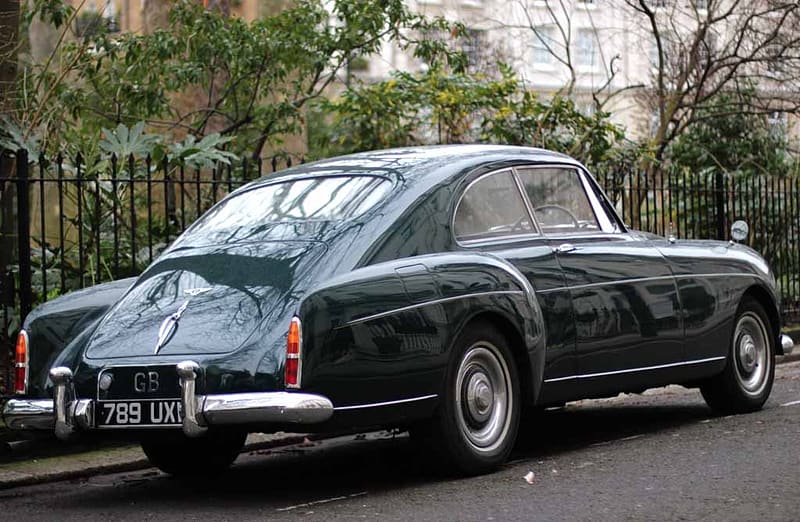
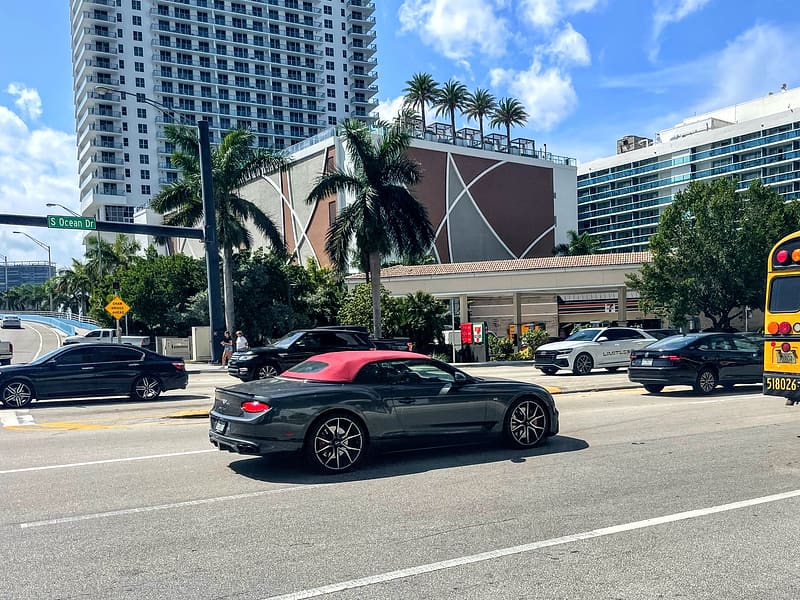
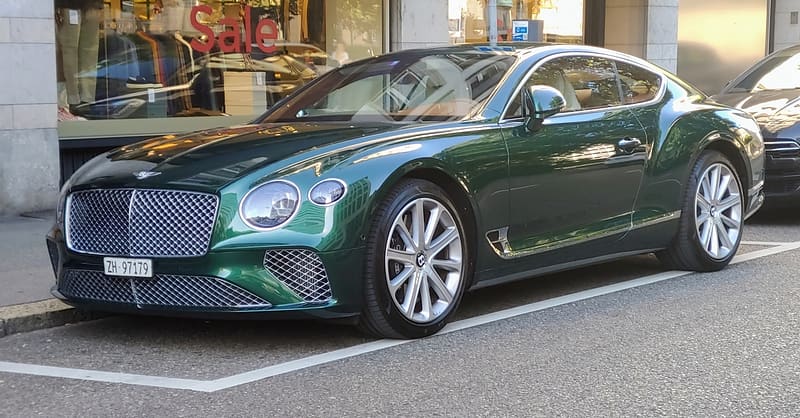
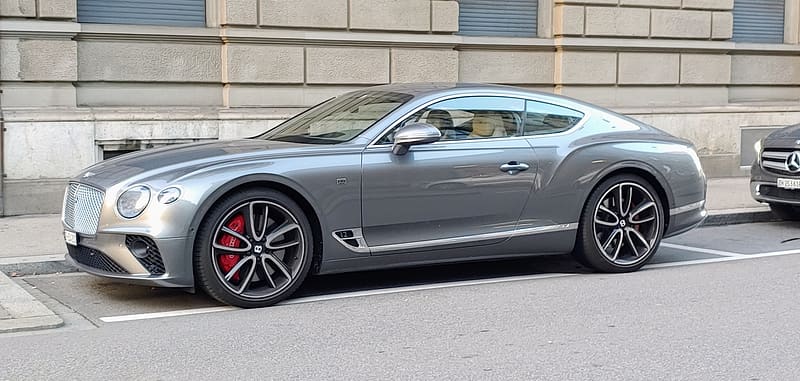
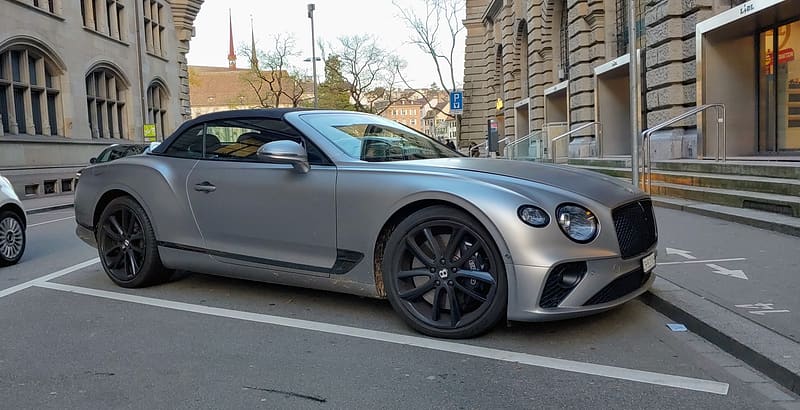
A surprise launch at the 1991 Geneva show, the Continental R was the first Bentley since 1965 with a body not shared with a Rolls-Royce, and it was the world’s most expensive production car when new. It used the Turbo R’s 6.75-liter turbocharged V8, about 325 hp at first, and Rolls-Royce only began publishing official figures in 1996, when output reached 385 hp. Its success helped revive the Bentley name before Volkswagen bought the brand in 1998.
How to spot one
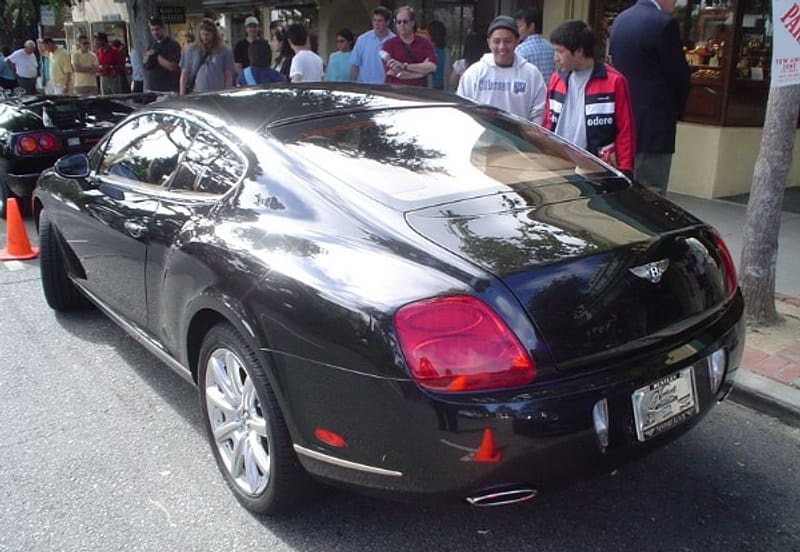
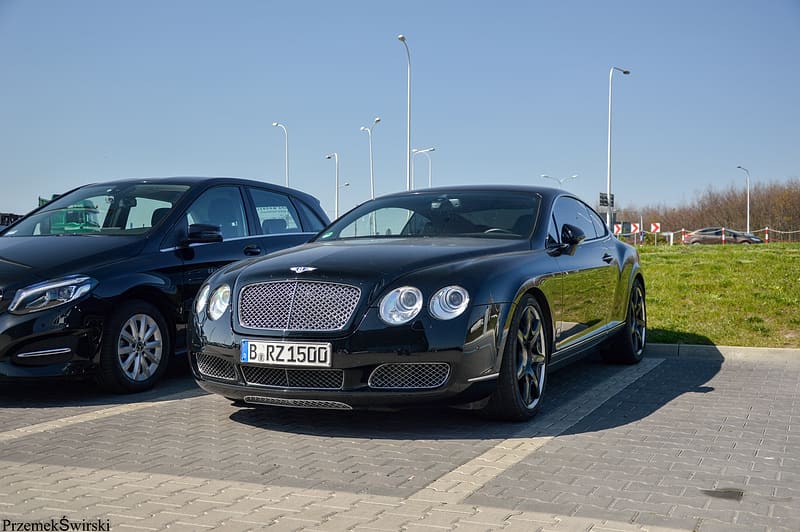
The long two-door coupe body without the Continental T’s extended wheel arches. Cars from the 1998 model year on have small mesh vents below the headlights and a laser-cut mesh grille.
A limited-edition performance version sold in 1994 and 1995 only to established Bentley customers. Its engine gained a liquid-cooled chargecooler, for an estimated 385 hp and 0–60 mph in 6.1 seconds. Thirty-seven were built.
Launched in 1996, the T is a short-wheelbase Continental R: four inches shorter, at the expense of rear legroom, and about 200 lb lighter. It started with 400 hp and 590 lb-ft, rising to 420 hp and 650 lb-ft for 1998, and had bigger brakes and a push-button starter. It cost at least 21 percent more than the R.
How to spot one
Shorter than the Continental R, with extended front and rear wheel arches. Inside, most have a turned-metal dashboard with chrome-finished instruments instead of wood.
A limited edition of six wide-body Continental R coupes built in 1998. The sixth car was the first Continental R fitted with the Continental T’s 420 hp engine, along with larger brakes and push-button start; Wikipedia notes there may actually have been seven.
A sharper-handling Continental T introduced in 1999, with modified shock absorbers and torsion bars stiffened by 40 percent at the front and 20 percent at the rear. Twenty-three were built.
Introduced at the 1999 Geneva show for buyers who wanted the Continental T’s power with the roomier, longer-wheelbase R body. It used the T’s 420 hp, 650 lb-ft engine, for an estimated 170 mph and 0–60 mph in 5.6 seconds. 131 were built through 2003.
A 1999 limited version of the Continental T with a removable roof panel over the front seats, named Sedanca Coupé. Seventy-nine were built: 73 standard cars and six with the Mulliner package, and 48 of the total were left-hand drive.
How to spot one
The short Continental T body with a lift-out roof panel above the front seats.
Built to mark the turn of the century, the ten Millennium Editions were based on the Continental R Mulliner and all went to North America. Each had the 420 hp engine, elaborate wood trim, a green starter button, a stainless-steel laser-cut mesh grille and 18-inch chromed wheels, and cost about $20,000 more than an R Mulliner.
A Continental R fitted with the 420 hp engine, built from 2000 to 2003; Wikipedia lists 38. It took on features first seen on the sixth California Edition car, such as push-button start and an eight-gauge dashboard.
A limited edition marking Bentley’s 2001 return to the Le Mans 24 Hours after 71 years, when its EXP Speed 8 finished third. Forty-six were built, offered in Silver Storm, Black Oriole or Le Mans Racing Green, with straight-grain walnut, two-tone upholstery with winged B motifs, drilled pedals and dark green instrument faces.
How to spot one
Le Mans Series badges on the front fenders, quad tailpipes, wider wheel arches and five-spoke wheels with red brake calipers.
A Le Mans edition of the short-wheelbase Continental T, built alongside the Continental R Le Mans for Bentley’s 2001 return to the race. Wikipedia lists just five.
The last eleven Continental R coupes, all 2003 model year cars, six of them left-hand drive. The Continental R was the last car on the old Rolls-Royce Silver Spirit platform, with features such as floor-mounted pedals and mineral-oil suspension and brakes.
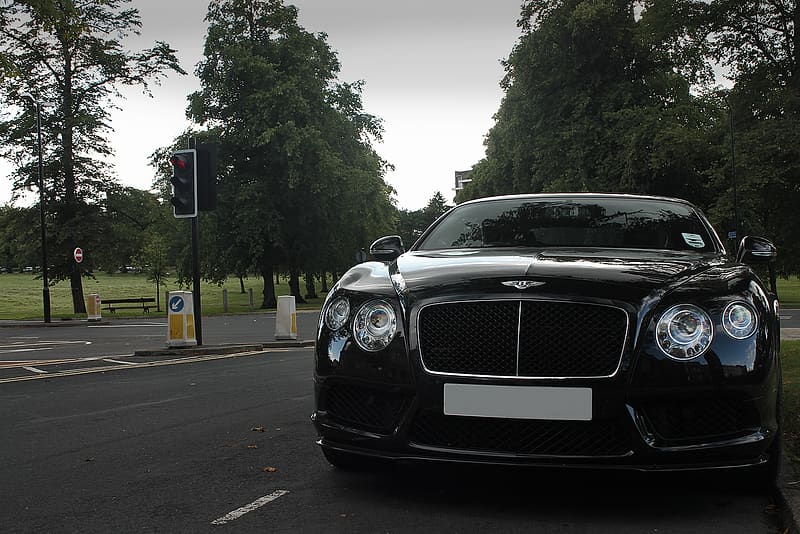
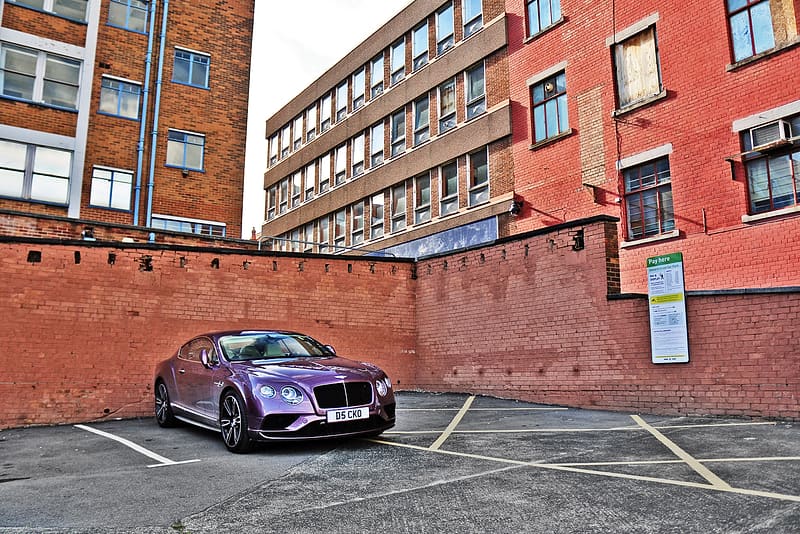
Shown at the 2002 Paris show, the Continental GT was the first new Bentley after Volkswagen’s 1998 takeover and the first built with mass-production methods, at less than half the Continental R’s price. A 6.0-liter twin-turbo W12 made 552 hp, with permanent all-wheel drive, 0–100 km/h in 4.8 seconds and a top speed of 318 km/h (198 mph). The 2008 model year brought a more upright grille, bigger lower intakes and chromed headlamp bezels.
How to spot one
Like all Continental GT coupes it has no pillar between the front and rear side windows. First-generation cars have no LED running lights in the headlamps; those came with the 2011 second generation.
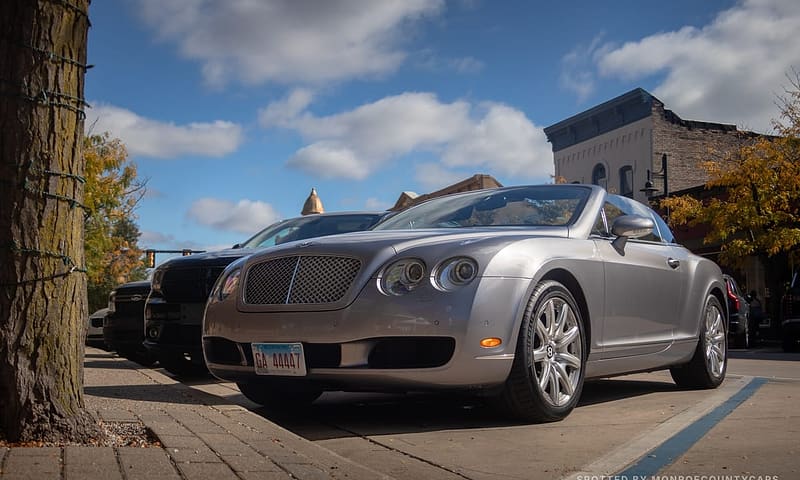
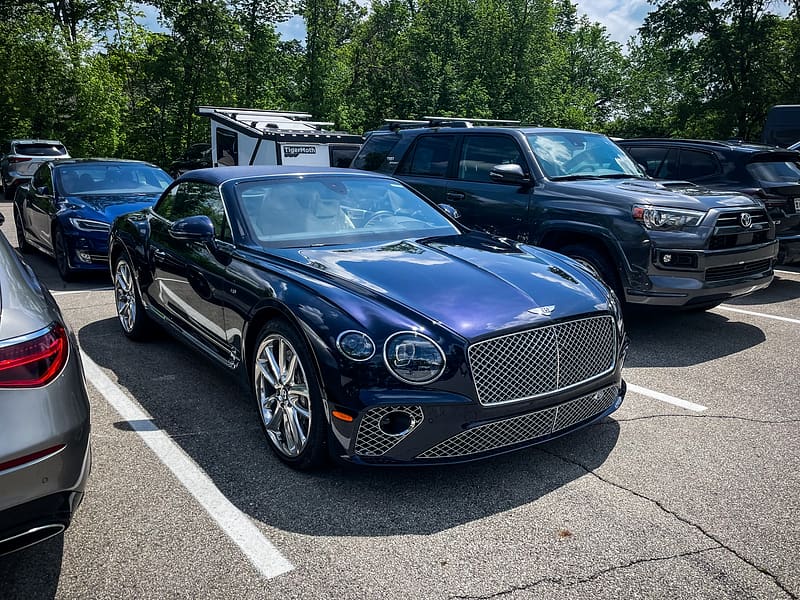
The convertible Continental GT, first shown in September 2005 and on sale from late 2006. It has the same W12 and all-wheel drive, a fabric roof made by Karmann in Osnabrück, 0–100 km/h in 5.1 seconds and 314 km/h (195 mph) with the top up. The 2009 update brought the coupe’s more upright grille and chromed headlamp bezels.
How to spot one
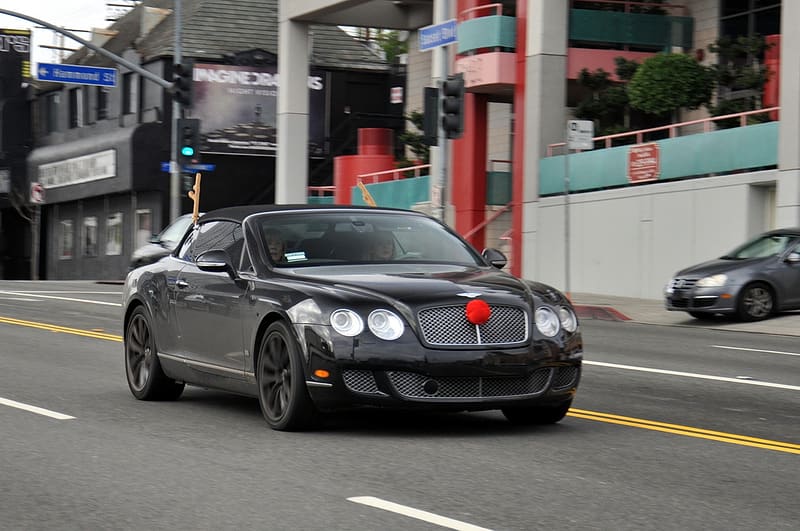
A first-generation Continental with a fabric roof; the headlamps lack the LED running lights of the 2011-on cars.
A run of 400 cars for the 2007 model year, marking 60 years of building cars at Crewe. Based on the Mulliner Driving Specification, it added carbon-silicon carbide brakes with cross-drilled 420 mm front discs, 20-inch 14-spoke wheels, three extra paint colors (Moroccan Blue, Anthracite and Meteor), and treadplates reading ‘Celebrating 60 years of manufacturing in Crewe’.
How to spot one
Exclusive 20-inch 14-spoke wheels over large carbon-ceramic brakes and unique insignia, often in Moroccan Blue, Anthracite or Meteor paint.
The fastest regular second-generation GT, shown at the 2012 Goodwood Festival of Speed with 616 hp, a lower ride height and firmer suspension for 205 mph. Power rose by 10 hp for 2015 and to 633 hp for 2016, and a Black Edition with gloss black trim followed in 2016.
How to spot one
Dark-tint grilles, a chrome Speed badge on each front fender and 21-inch Speed wheels. From the 2015 model year it also has a body-colored splitter, side skirts and diffuser and dark-tint lamps.
The convertible second-generation Speed, unveiled at the 2013 Detroit show. It sits 10 mm lower than the regular GTC and has a top speed of 325 km/h (202 mph).
How to spot one
A fabric roof with dark-tint grille and bumper intakes and 21-inch Speed wheels.
A two-seat, rear-wheel-drive Continental limited to 500 cars, with orders opening in March 2026. It drops the hybrid system for a 657 hp twin-turbo V8 and weighs under 2,000 kg, the lightest Bentley in 85 years. It has carbon-ceramic brakes, 22-inch forged Manthey wheels and an Akrapovič titanium exhaust, and a leather-trimmed carbon-fiber tub replaces the rear seats.
How to spot one
Unlike other fourth-generation Continentals it has a fixed rear wing, plus a large front splitter, carbon dive planes, extended side sills and a rear diffuser.
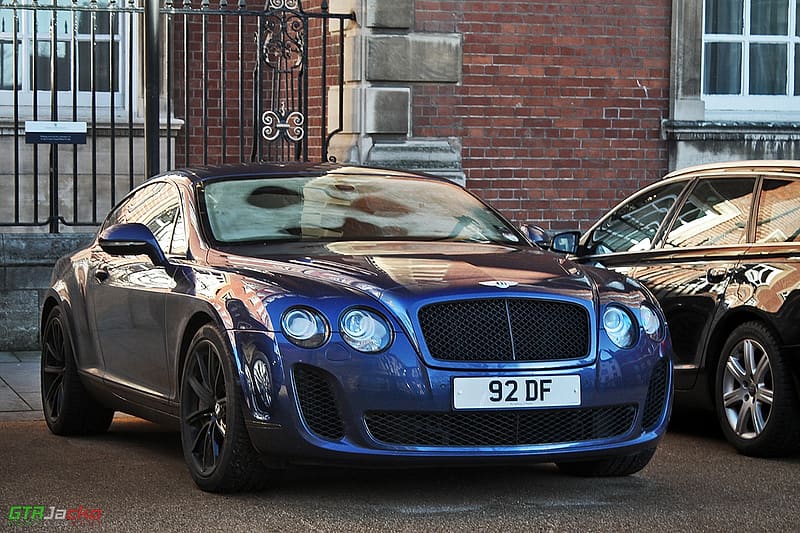
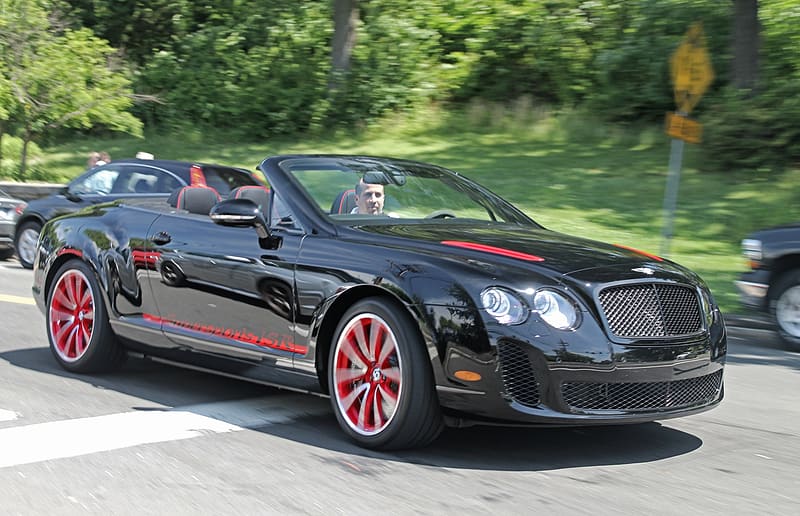
The open Supersports, unveiled at the 2010 Geneva show and sold in the US from summer 2010 for $280,400. Unlike the coupe it keeps four seats, with the same 621 hp W12, 0–60 mph in 3.9 seconds and a top speed of 202 mph (325 km/h). It weighs about 90 kg less than the GTC Speed.
How to spot one
A fabric-roofed Continental with the Supersports’ twin hood vents, vertical grilles, flared rear fenders and smoked-steel trim.
Limited editions of 80 GTCs and 80 GTC Speeds for North America, unveiled at Pebble Beach in 2010 and sold as 2011 models. They had a Midnight paint option, a dark gray metallic soft top, Beluga leather with contrast stitching and an ‘80-11 Edition’ console badge.
How to spot one
Union Jack badges on the front fenders. The GTC has polished 20-inch 14-spoke wheels with black center caps; the GTC Speed has dark-tint Supersports wheels with red calipers.
A Continental GT for the Chinese market, unveiled at the 2010 Beijing show. It had a three-tone interior with orange or magenta accents, Orange Flame and Magenta Metallic paint choices, and Design Series China badges on the fenders, treadplates and console.
How to spot one
Orange Flame or Magenta paint with a Design Series China fender badge.
A run of 100 Supersports Convertibles celebrating the ice speed record of 331 km/h (205.67 mph) that Juha Kankkunen set in a Supersports Convertible in Finland in February 2011. It has a 631 hp W12 and was unveiled at the 2011 Geneva show, with carbon-fiber trim showing a red weave inside.
How to spot one
Beluga, Quartzite or Arctica White paint with a dark gray soft top and dark-tint 20-inch 10-spoke Supersports wheels.
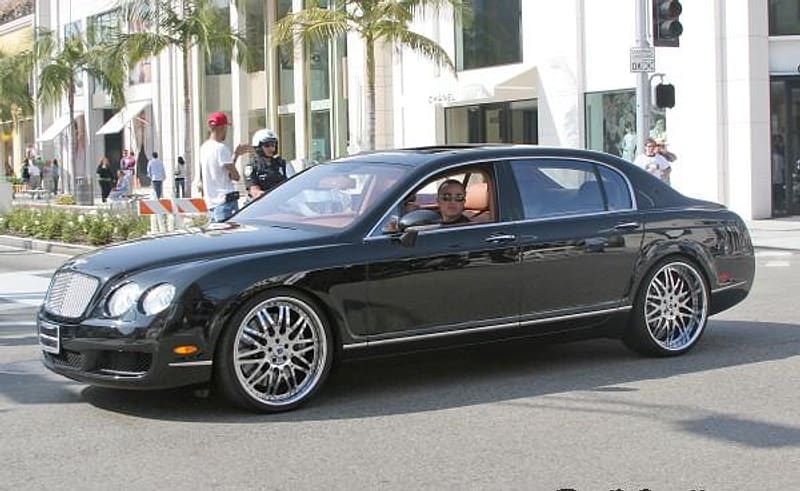
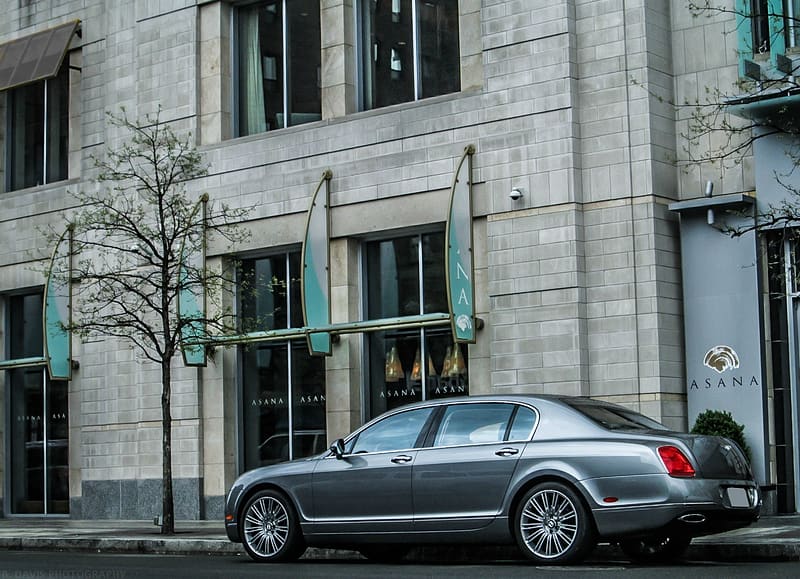
The four-door version of the Continental GT, unveiled at the Geneva show in March 2005 and the world’s fastest and most powerful production sedan at the time. Its 552 hp W12 and all-wheel drive gave 0–100 km/h in 4.9 seconds and 314 km/h (195 mph). Crewe was so busy that 1,358 early cars were built at Volkswagen’s Dresden factory.
How to spot one
Four doors on the first-generation Continental’s body. Its 2013 successor dropped the Continental name and is listed as its own model.
A higher-performance Flying Spur introduced in 2008, with 600 hp, 0–60 mph in 4.5 seconds and a 200 mph top speed. It sits 10 mm lower on firmer springs, dampers and anti-roll bars. 1,155 were built for the 2009 and 2010 model years.
How to spot one
Dark-tinted chrome on the grille and lower intakes, wider rifled tailpipes, and 20-inch multi-spoke wheels in silver or dark tungsten.
The third-generation GT was revealed at the 2017 Frankfurt show and built from 2018 on Volkswagen’s MSB platform, shared with the Porsche Panamera. Its 6.0-liter W12 made 626 hp and 900 Nm (664 lb-ft) through a new dual-clutch gearbox, for 0–60 mph in 3.6 seconds and 207 mph. Its body sides are formed from heated aluminum sheet, and the dashboard has a rotating display.
How to spot one
The front wheels sit 135 mm farther forward than before, for a shorter front overhang and longer hood, and the headlamps have a cut-crystal pattern. It lacks the V8’s quad tailpipes and fender badges.
A V8 version of the third-generation car from 2019, with a 4.0-liter twin-turbo V8 of 542 hp and 770 Nm (568 lb-ft). The coupe does 0–60 mph in 3.9 seconds and both bodies reach 198 mph.
How to spot one
Quad exhaust pipes and small V8 badges on the front fenders; standard wheels are a 20-inch 10-spoke design.
The fastest regular second-generation GT, shown at the 2012 Goodwood Festival of Speed with 616 hp, a lower ride height and firmer suspension for 205 mph. Power rose by 10 hp for 2015 and to 633 hp for 2016, and a Black Edition with gloss black trim followed in 2016.
How to spot one
Dark-tint grilles, a chrome Speed badge on each front fender and 21-inch Speed wheels. From the 2015 model year it also has a body-colored splitter, side skirts and diffuser and dark-tint lamps.
The convertible second-generation Speed, unveiled at the 2013 Detroit show. It sits 10 mm lower than the regular GTC and has a top speed of 325 km/h (202 mph).
How to spot one
A fabric roof with dark-tint grille and bumper intakes and 21-inch Speed wheels.
Limited editions for North America marking Bentley’s six Le Mans wins, with 48 of each model and each named after a winning driver. They have a numbered Le Mans Edition badge and clock face, Le Mans badges embroidered on the headrests, and their own wheels, veneers and paint colors. They went on sale in spring 2013.
A sportier V8, coupe or convertible, shown at the 2013 Frankfurt show with 521 hp and 680 Nm (502 lb-ft). It sits 10 mm lower, with retuned dampers, springs and anti-roll bars.
How to spot one
Gloss black front splitter, side sills, rear diffuser and grille mesh, red brake calipers, open-spoke 20-inch wheels and V8 S badges on the front fenders.
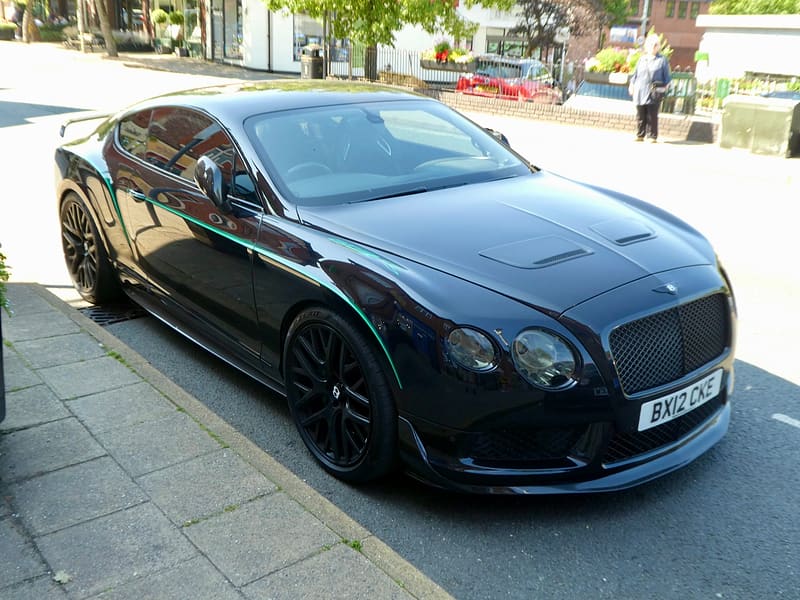
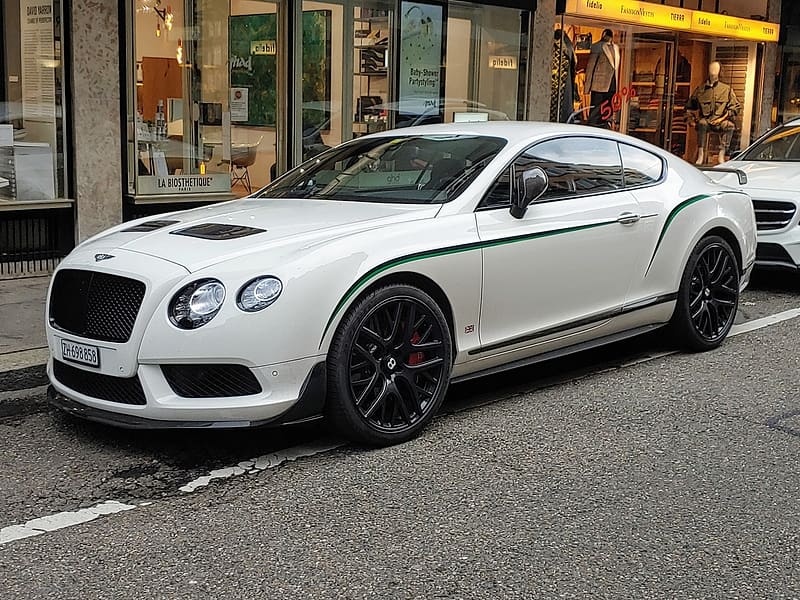
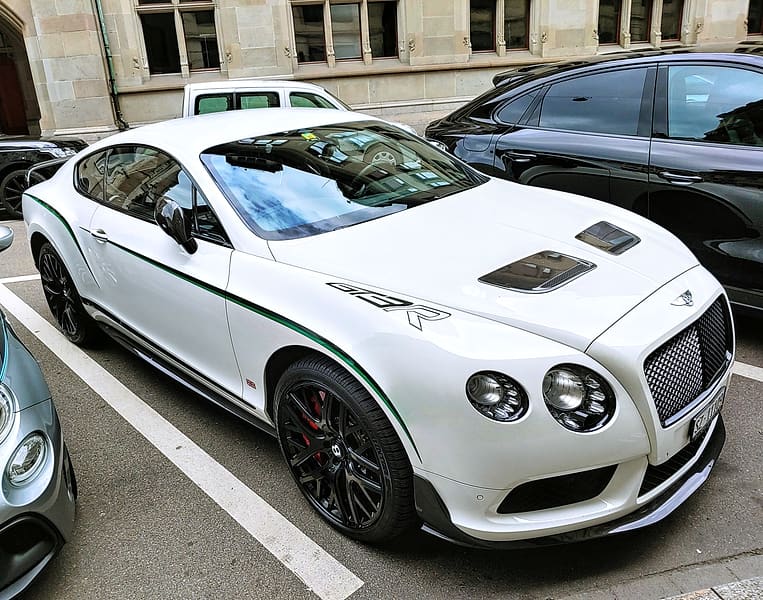
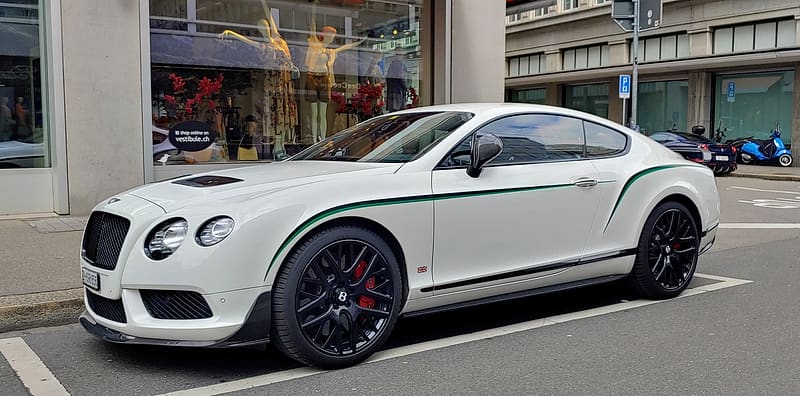
A road car inspired by the GT3 race car, shown at Pebble Beach in 2014 and limited to 300, including 99 for the US. Based on the GT V8 S, it is 100 kg lighter, with 572 hp, rear torque vectoring, a titanium exhaust and just two seats. It cost $337,000 in the US.
How to spot one
Glacier White paint with green stripes along the sides, a fixed carbon rear wing, a hood with two vents, gloss black trim and black 21-inch forged wheels with green calipers.
A two-seat, rear-wheel-drive Continental limited to 500 cars, with orders opening in March 2026. It drops the hybrid system for a 657 hp twin-turbo V8 and weighs under 2,000 kg, the lightest Bentley in 85 years. It has carbon-ceramic brakes, 22-inch forged Manthey wheels and an Akrapovič titanium exhaust, and a leather-trimmed carbon-fiber tub replaces the rear seats.
How to spot one
Unlike other fourth-generation Continentals it has a fixed rear wing, plus a large front splitter, carbon dive planes, extended side sills and a rear diffuser.
The third-generation GT was revealed at the 2017 Frankfurt show and built from 2018 on Volkswagen’s MSB platform, shared with the Porsche Panamera. Its 6.0-liter W12 made 626 hp and 900 Nm (664 lb-ft) through a new dual-clutch gearbox, for 0–60 mph in 3.6 seconds and 207 mph. Its body sides are formed from heated aluminum sheet, and the dashboard has a rotating display.
How to spot one
The front wheels sit 135 mm farther forward than before, for a shorter front overhang and longer hood, and the headlamps have a cut-crystal pattern. It lacks the V8’s quad tailpipes and fender badges.
A run of 100 W12 coupes for Bentley’s 2019 centenary, built by Mulliner and shown at the 2019 Geneva show. It honors Tim Birkin’s 1930 Blower No. 9 Le Mans car, and each has a piece of wood from that car’s seat set into the rotating display, plus a Jaeger clock and ‘1 of 100’ treadplates.
How to spot one
Viridian green or Beluga black paint with No. 9 badges and a matching graphic on the grille, a carbon body kit, black exterior trim and 22-inch Mulliner wheels.
A V8 version of the third-generation car from 2019, with a 4.0-liter twin-turbo V8 of 542 hp and 770 Nm (568 lb-ft). The coupe does 0–60 mph in 3.9 seconds and both bodies reach 198 mph.
How to spot one
Quad exhaust pipes and small V8 badges on the front fenders; standard wheels are a 20-inch 10-spoke design.
A sportier V8 for the third generation from 2022: the 542 hp V8 with a sports exhaust, and black styling with red brake calipers. Bentley placed it between the V8 and the W12 Speed.
How to spot one
A gloss-black grille and black trim with the winged badge and lettering left in chrome, darkened headlights and taillights, S badges on the front fenders, red brake calipers and four black tailpipes; 22-inch five-spoke wheels in gloss black (or a 21-inch tri-spoke).
The GT S as a convertible, from 2022: the 542 hp V8 with a sports exhaust, black styling and red brake calipers.
How to spot one
The convertible with the GT S’s look: a gloss-black grille and black trim with the winged badge and lettering left in chrome, darkened headlights and taillights, S badges on the front fenders, red brake calipers and four black tailpipes; 22-inch five-spoke wheels in gloss black (or a 21-inch tri-spoke).
The top of the fourth-generation range, unveiled on October 1, 2024, with the same 771 hp plug-in hybrid V8 as the Speed. It adds a floating diamond grille, welcome lighting animations, two-tone mirrors and Mulliner-only interior options.
How to spot one
Crystal-cut headlamps, red tail lamps unlike the Speed’s, and a floating diamond grille.
The comfort-focused fourth-generation model, unveiled with the base car in April 2025 and using the same 671 hp hybrid V8. Wellness seating, open-pore walnut veneer and the Touring, Comfort and Lighting packages are standard.
How to spot one
A gloss black mesh grille with a bright chrome surround and vertical vanes, a gloss black front splitter, silver bright-machined 22-inch Azure wheels and Azure badges on the front fenders.
The top of the fourth-generation range, unveiled on October 1, 2024, with the same 771 hp plug-in hybrid V8 as the Speed. It adds a floating diamond grille, welcome lighting animations, two-tone mirrors and Mulliner-only interior options.
How to spot one
Crystal-cut headlamps, red tail lamps unlike the Speed’s, and a floating diamond grille.
The comfort-focused fourth-generation model, unveiled with the base car in April 2025 and using the same 671 hp hybrid V8. Wellness seating, open-pore walnut veneer and the Touring, Comfort and Lighting packages are standard.
How to spot one
A gloss black mesh grille with a bright chrome surround and vertical vanes, a gloss black front splitter, silver bright-machined 22-inch Azure wheels and Azure badges on the front fenders.
A two-seat, rear-wheel-drive Continental limited to 500 cars, with orders opening in March 2026. It drops the hybrid system for a 657 hp twin-turbo V8 and weighs under 2,000 kg, the lightest Bentley in 85 years. It has carbon-ceramic brakes, 22-inch forged Manthey wheels and an Akrapovič titanium exhaust, and a leather-trimmed carbon-fiber tub replaces the rear seats.
How to spot one
Unlike other fourth-generation Continentals it has a fixed rear wing, plus a large front splitter, carbon dive planes, extended side sills and a rear diffuser.
A roofless two-seat barchetta by Bentley Mulliner, limited to 12 cars, all sold before production began in 2021. Inspired by the EXP 100 GT concept, it shares only its door handles with the Continental GT and uses a 650 hp W12. Its materials include paint made with rice husk ash and Riverwood veneer from wood recovered from peat bogs, lakes and rivers.
How to spot one
No roof at all, and round and horizontal headlights from the EXP 100 GT concept instead of the Continental’s twin round lamps.
A coachbuilt coupe by Bentley Mulliner, named after Lake Batur on Bali and handbuilt in Crewe; 18 were made. It is the last new Bentley model with the W12 and the most powerful, at 730 hp, for 0–100 km/h in 3.3 seconds and 336 km/h (209 mph). Wikipedia puts its price at about $2.1 million.
The open version of the Batur, revealed on May 8, 2024 and limited to 16 cars, with a 740 hp W12 and a price over $2.56 million, making it Bentley’s most expensive car yet. Mulliner said no two would be alike.
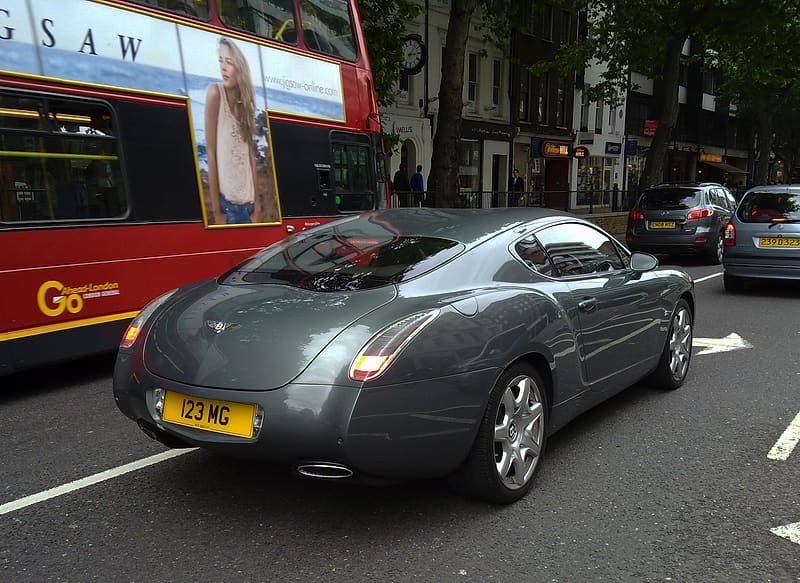
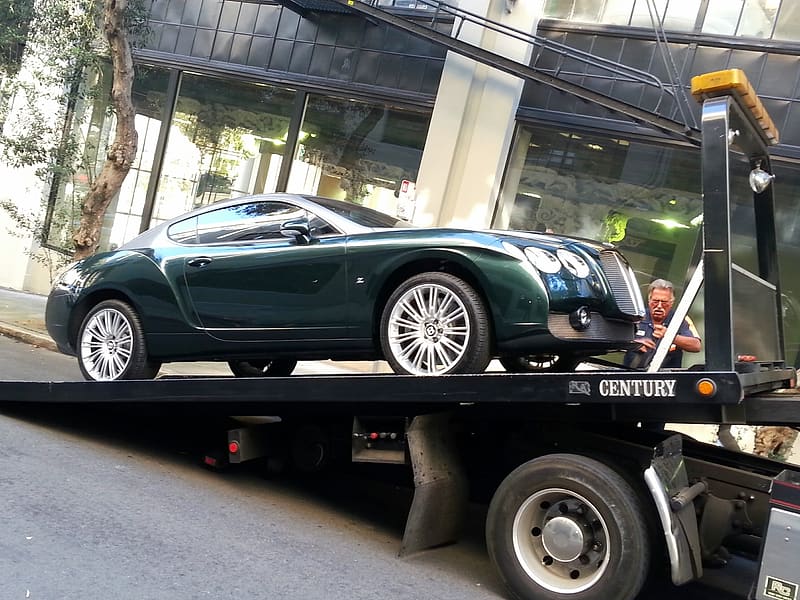
Zagato's rebody of the first Continental GT Speed, shown at Geneva in 2008. Zagato removes the body and fits a new, mostly aluminum one; only the headlights carry over. Nine were built, the 600-hp twin-turbo W12 and all-wheel drive stay as they were. In 2008 the conversion cost "from" about $742,000 on top of the $255,000 GT Speed, over $994,000 in all. One car sold for about $359,000 at RM Sotheby's St. Moritz in 2022.
How to spot one
A Continental GT with Zagato's double-bubble roof, a longer, flowing tail with bigger haunches, a rear window cut down to a slit, often two-tone paint, and Z motifs stitched into the seats. The front keeps the Continental's four round headlights.
A rear-wheel-drive race car based on the second-generation Continental GT V8, built with M-Sport and shown at the 2013 Goodwood Festival of Speed. Its 4.0-liter twin-turbo V8 made 600 hp through a six-speed sequential gearbox. It began full competition in the Blancpain series in 2014, winning at Silverstone that May, and won the 2015 Blancpain GT Sprint title with Vincent Abril and Maximilian Buhk.
The GT3 race car based on the third-generation Continental, unveiled in November 2017 with a rear-drive 4.0-liter twin-turbo V8 of over 550 hp. It first raced at the opening round of the 2018 Blancpain GT Endurance Cup and won the 2020 Bathurst 12 Hour with Jules Gounon, Jordan Pepper and Maxime Soulet. Bentley ended the program after 2021 to focus on electric cars.
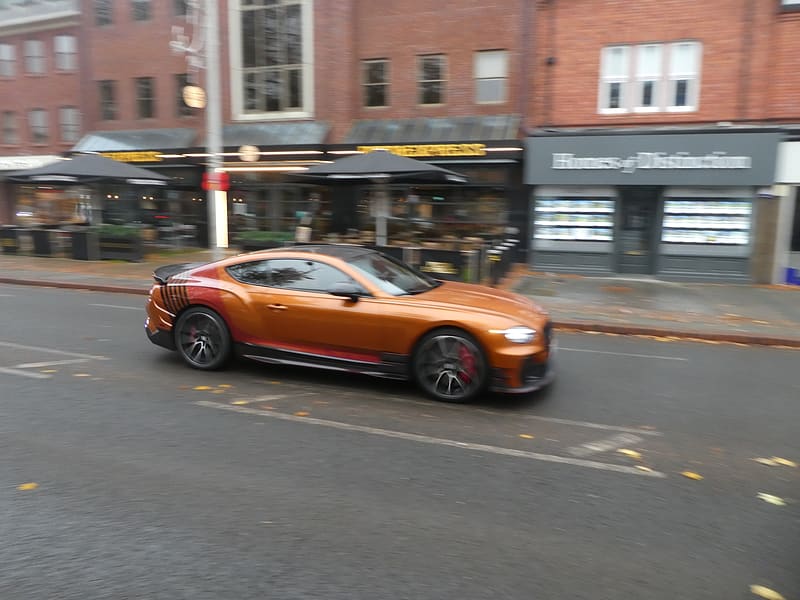
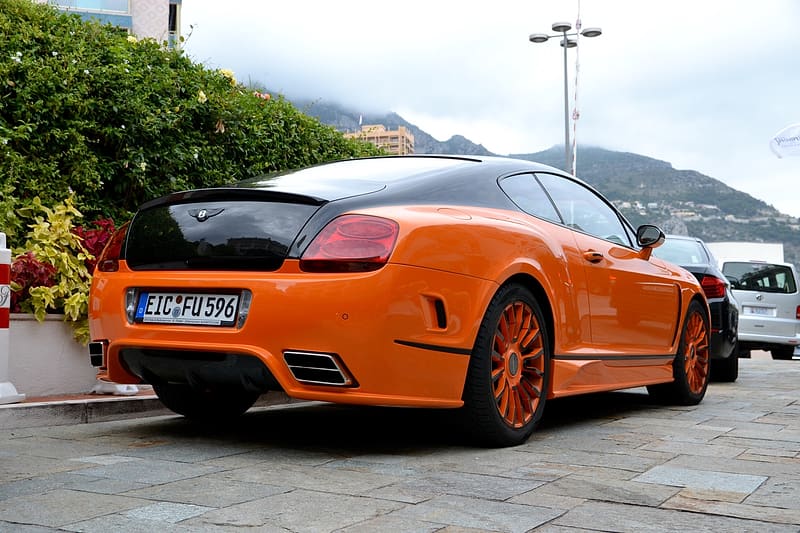
Mansory is a German tuner founded by Kourosh Mansory in 1989 and based in Brand, Bavaria. It is known for some of the boldest builds in the business: forged-carbon body kits, reshaped bumpers and hoods, big wings, loud two-tone paint and interiors, on Rolls-Royce, Bentley, Lamborghini, Ferrari and Mercedes. On the Continental, its best-known build is the Vitesse.
How to spot one
Lots of bare carbon fiber (often the marbled forged kind), extra vents and winglets, a reshaped nose with bigger intakes, Mansory badges, and forged multi-spoke wheels.
Wald International, from Osaka, Japan, makes body kits for luxury cars, best known for its aggressive Black Bison wide-body editions. On the Continental, its best-known build is the Black Bison.
How to spot one
Wide, sharply styled bumpers and fenders, Black Bison badging, and a lowered stance.
Hamann Motorsport, founded by Richard Hamann in 1986 in Laupheim, Germany, sells body kits, wheels, exhausts and engine work. The Imperator (2009) is a 16-piece widebody kit for the first Continental GT and GT Speed: a front bumper with two LED daytime running lights, side skirts, an eight-piece fender flare kit, a new rear bumper and diffuser and a rear spoiler, on 21- or 22-inch wheels, lowered 30 mm in front and 20 mm at the rear. Engine work takes the GT from 560 to 630 hp and the GT Speed from 610 to 650 hp.
How to spot one
A first-generation Continental GT or GTC with flared fenders, a deep front bumper with two LED strips, a spoiler on the trunk lid and a diffuser rear bumper. A Mansory Continental has bare carbon and a reshaped grille; a Wald Black Bison has sharper, angular bumpers.
Startech, the German styling and tuning brand owned by Brabus, has done two Continental programs. The first, shown on a Continental GTC at the 2015 Frankfurt show, fits the facelifted second generation: a carbon front spoiler added to the factory bumper, carbon panels around the side intakes, side skirts, a carbon diffuser with a center LED fog and backup lamp, four billet tailpipes and an optional sports exhaust with valves for the V8 or W12, on 22-inch Monostar G forged wheels. The second, for the third-generation Continental GT and GTC, premiered on a GT coupe at the 2019 Geneva show: a new front fascia with a wing across it modeled on a Formula 1 car's, carbon mirror caps, carbon sides, a new rear bumper with a five-fin carbon diffuser and a center LED lamp, and a carbon trunk-lid spoiler lip, lowered about 1 inch, on 22-inch Monostar M forged wheels (10x22 front, 11.5x22 rear). Neither program listed an engine upgrade with figures.
How to spot one
Look at the rear first: a carbon diffuser with fins and a single LED lamp in its center, the light Startech took from Formula 1 cars. Third-generation cars (2019 kit) also have a front bumper with a thin wing across its lower opening, bare-carbon mirror caps and a small carbon lip on the trunk lid, and sit about 1 inch lower on 22-inch Monostar M wheels with five double spokes. A Mansory has far more bare carbon and a reshaped grille, an Onyx reshaped bumpers and Onyx badges, a Wald Black Bison wide, sharply styled bumpers, and a Hamann Imperator (first generation) flared fenders. A factory GT S or Speed has black trim and its own badges but the factory bumpers and no center lamp in the diffuser.
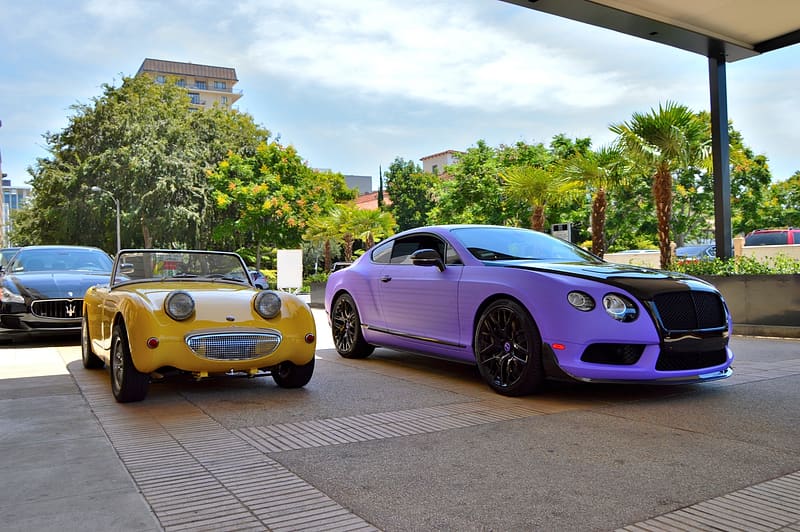
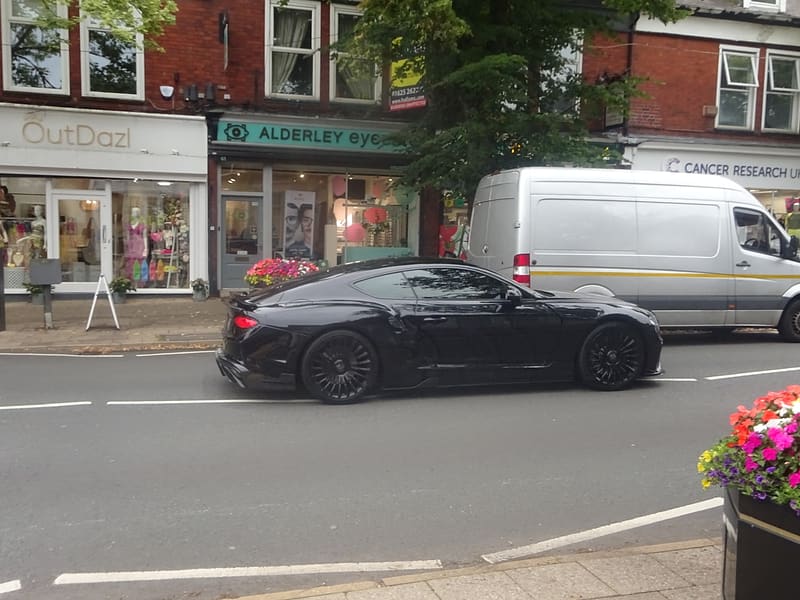
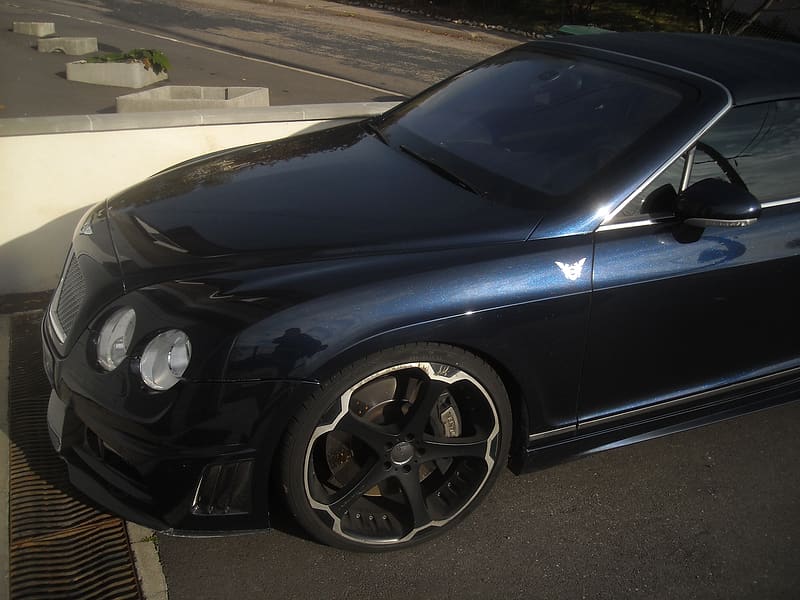
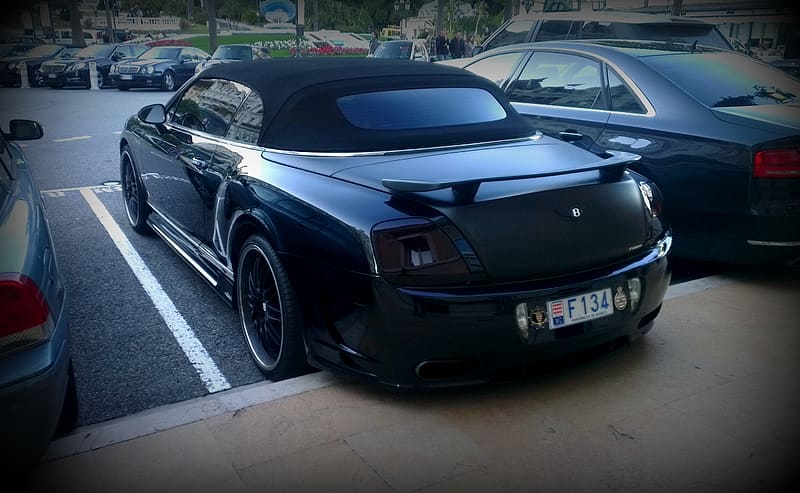
Cars changed by their owners or by a shop we don't list: aftermarket body kits (new bumpers, side skirts, wings, wider fenders), custom wide bodies, and one-off builds. They're grouped here until someone names the tuner or the build.
How to spot one
Bumpers, wings or fender flares the factory never made, a much lower stance, or wheels and details that don't match any version. Know who did it? Suggest it on the spot's page.
Most spotters just write “Continental”. 6,613 of these have a clue in the description and wait in Help identify: when three spotters agree, the spot gets its variant.
305 of 6,921 sorted (4%) · 6,613 questions waiting